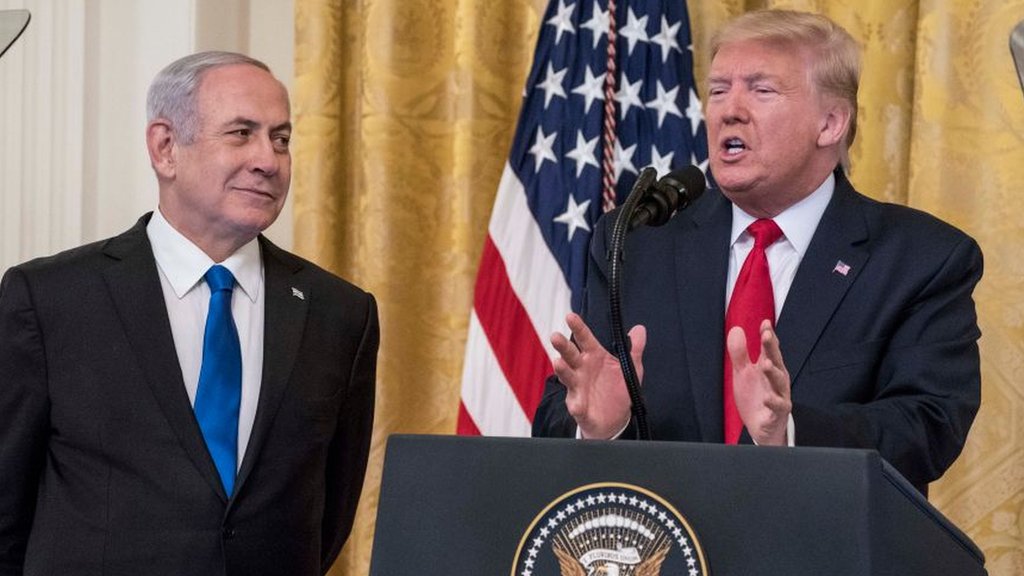
Reports have emerged of a tense telephone conversation between United States President Donald Trump and Israeli Prime Minister Benjamin Netanyahu, amid efforts to preserve a fragile ceasefire between Israel and Hezbollah and prevent a wider regional conflict.
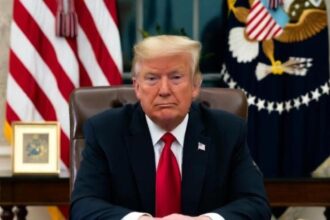
According to media reports citing unnamed sources familiar with the conversation, Trump expressed frustration over Israel’s planned military operations in Lebanon and reportedly used unusually blunt language while urging restraint.
The reported exchange came at a critical moment as Israel suspended planned military strikes against Hezbollah positions in Lebanon following diplomatic interventions aimed at preventing a further escalation of hostilities.
While neither the White House nor the Israeli government officially confirmed the details of the reported conversation, several international media outlets claimed the discussion was heated and reflected growing tensions over the direction of the conflict.
According to reports, Trump strongly criticised Netanyahu’s approach to the crisis and warned that continued military action could further damage Israel’s standing internationally.
One report alleged that Trump told the Israeli leader that public sentiment had increasingly turned against Israel because of the ongoing conflict and the humanitarian consequences associated with military operations in the region.
Another source quoted by international media claimed Trump questioned Israel’s military strategy and urged the Prime Minister to avoid actions that could undermine ongoing diplomatic efforts.
Despite the reports of a confrontational exchange, Trump later described the conversation in positive terms, characterising it as productive and successful.
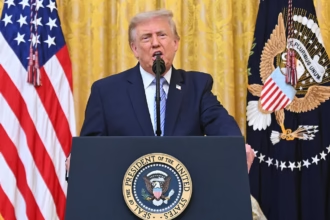
In a statement posted on his social media platform, Truth Social, the US president announced that progress had been made in reducing tensions and preventing further military action.
“I had a very productive call with Prime Minister Bibi Netanyahu of Israel,” Trump wrote.
According to the president, the discussions resulted in an agreement that Israeli troops would not advance into Beirut and that any military units already moving toward the Lebanese capital had been instructed to return.
Trump also claimed that communication channels had been opened with Hezbollah through intermediaries and that commitments had been secured from both sides to halt attacks.
“Likewise, through highly placed representatives, I had a very good call with Hezbollah, and they agreed that all shooting will stop. Israel will not attack them, and they will not attack Israel,” he stated.
The announcement was welcomed by observers concerned about the possibility of a broader regional war involving multiple countries and armed groups across the Middle East.
The latest developments come amid continuing efforts by the United States to manage several interconnected crises in the region, including ongoing tensions with Iran.
Trump revealed that negotiations involving Iran were still progressing and said discussions were moving rapidly despite previous indications that talks were facing difficulties.
Relations between Washington and Tehran have remained strained since military confrontations earlier in the year dramatically heightened regional tensions.
In February, joint military operations by the United States and Israel targeted Iranian facilities, triggering a sharp response from Tehran and contributing to instability across global energy markets.
One of the most significant consequences of that confrontation was the disruption of shipping through the Strait of Hormuz, a strategically important maritime route through which a significant percentage of the world’s oil and gas supplies are transported.
Iran’s restrictions on maritime traffic through the waterway contributed to volatility in global energy prices and raised concerns about the security of international trade routes.
Although diplomatic contacts have continued since then, progress toward a comprehensive agreement has remained uncertain.
Earlier this week, Trump appeared to express frustration with the pace of negotiations, telling reporters that discussions with Iran had become repetitive and unproductive.
He suggested that while military action was not necessarily imminent, the United States retained significant leverage through economic and naval measures.
“It doesn’t mean we’re going to go and start dropping bombs all over there,” Trump reportedly said. “We’ll just go silent. We’ll keep the blockade.”
His comments reflected the administration’s continued reliance on economic pressure and strategic containment as part of its broader approach toward Iran.
Meanwhile, despite Trump’s optimistic assessment of the situation, concerns remain about the durability of the ceasefire between Israel and Hezbollah.
The two sides have engaged in periodic exchanges of fire in recent months, with both accusing the other of violating previous agreements aimed at reducing hostilities along the Israel-Lebanon border.
Prime Minister Netanyahu maintained a firm stance following his conversation with Trump, warning that Israel remained prepared to take military action if Hezbollah resumed attacks.
According to reports, Netanyahu stated that Israeli forces would continue targeting Hezbollah positions if the group failed to halt operations against Israeli communities.
He emphasized that Israel’s primary responsibility remained the protection of its citizens and national security interests.
Security analysts note that while the suspension of planned military operations represents a positive development, the underlying issues driving the conflict remain unresolved.
The situation continues to be closely monitored by international stakeholders who fear that any breakdown in the ceasefire could quickly reignite hostilities and draw additional regional actors into the conflict.
For now, diplomatic efforts appear to have succeeded in averting an immediate escalation. However, the future of the ceasefire will likely depend on the willingness of all parties to maintain restraint and pursue negotiated solutions rather than military confrontation.
As regional tensions remain high and negotiations with Iran continue, the coming weeks are expected to play a crucial role in determining whether the Middle East moves closer to stability or faces another dangerous cycle of conflict.