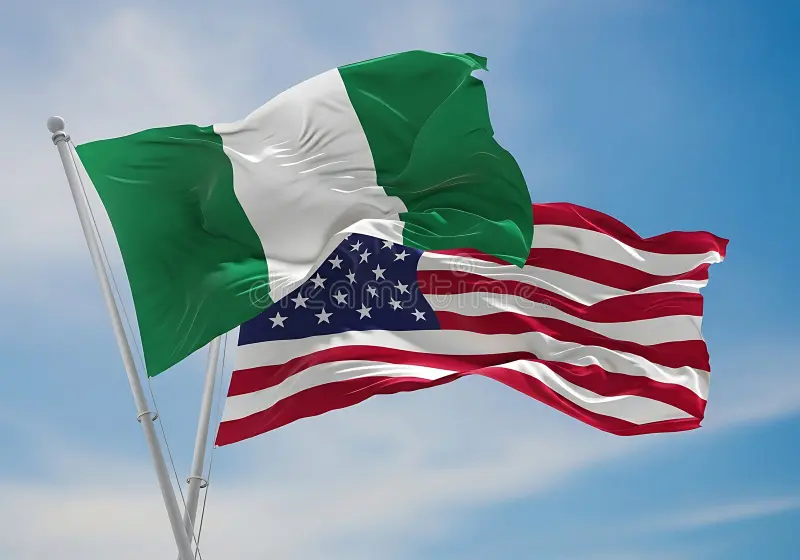
The United States Department of State has unveiled a new funding initiative worth $3.5 million, approximately N5 billion, aimed at improving the documentation, monitoring, and reporting of religious freedom violations across Nigeria.
The programme, announced through the Office of International Religious Freedom (IRF) under the Bureau of Democracy, Human Rights, and Labour, is designed to support organizations capable of gathering credible information on attacks and abuses linked to religion, belief, and faith-based communities throughout the country.
According to the official Notice of Funding Opportunity released on May 22, 2026, the initiative will provide financial support for projects that strengthen accountability, advocacy, and historical documentation of religious freedom violations. The programme is expected to run for a period ranging from 24 to 48 months, with one successful applicant receiving the award through either a grant or a cooperative agreement.
The State Department said the project seeks to improve the capacity of organizations and institutions to monitor, document, verify, and report incidents involving violations of religious freedom committed by both state and non-state actors operating in Nigeria.
In the notice, the Office of International Religious Freedom emphasized the importance of creating a stronger evidence base to support efforts aimed at addressing religiously motivated violence and promoting accountability.
“The Office of International Religious Freedom announces an open competition for organizations interested in submitting applications for projects that improve documentation and reporting efforts on religious freedom abuses in Nigeria, for accountability, advocacy, and memorialisation,” the notice stated.
According to the U.S. government, Nigeria remains one of the countries facing significant challenges related to violence involving religious communities, with attacks affecting both Christians and Muslims in various parts of the country.
The funding notice referenced years of violence carried out by insurgent groups and armed actors, including Boko Haram, the Islamic State West Africa Province (ISWAP), Fulani ethnic militias, and other non-state actors.
The State Department noted that numerous stakeholders have contributed to documenting these incidents, including civil society organizations, human rights defenders, academics, journalists, religious leaders, survivors, and community members.
“Documenters, human rights and religious freedom advocates, religious leaders and community members, academics, journalists, and survivors have contributed to an evidence base that illustrates the extreme levels of violence perpetrated by Boko Haram, ISIS-West Africa, Fulani ethnic militias, and other armed actors against Christians and Muslims,” the document stated.
The initiative seeks to build on existing documentation efforts while expanding the quality and reach of reporting mechanisms across affected communities.
The State Department also expressed concern over what it described as inadequate responses by Nigerian authorities to attacks against civilians and faith-based communities.
According to the notice, reports from civil society groups suggest that security responses to many incidents have often been delayed or ineffective, contributing to a climate of impunity.
“Civil society reports indicate that authorities regularly fail to respond in a timely or effective manner to violent attacks against civilians and faith communities, and particularly attacks against Christians,” the document stated.
The notice further argued that the absence of accountability for perpetrators has contributed to continued violence and instability in many communities.
“This leads to widespread impunity for violence which encourages more violence, leading to further abuses and displacements,” the statement added.
The U.S. government also cited allegations involving members of Nigeria’s security forces. According to the document, there have been reports of security personnel conducting operations in places of worship while pursuing suspected criminals.
“There are also credible reports of Nigerian security personnel raiding places of worship and injuring clergy and congregants in search of alleged criminals,” the notice stated.
The State Department said the new funding initiative is intended to support efforts that will provide more accurate, comprehensive, and credible reporting on such incidents, thereby strengthening advocacy and accountability mechanisms.
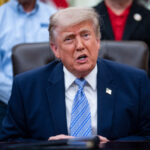
The programme comes against the backdrop of increased international attention on religious freedom issues in Nigeria, particularly following the decision by U.S. President Donald Trump to designate Nigeria as a “Country of Particular Concern” (CPC) in November 2025.
The designation is reserved for countries where governments are alleged to have engaged in or tolerated severe violations of religious freedom.
According to the State Department, the designation highlighted longstanding concerns regarding violence affecting religious communities in Nigeria.
“President Trump’s decision to designate Nigeria as a Country of Particular Concern placed a spotlight on the severity of these longstanding and worsening problems,” the notice stated.
The IRF Office explained that successful proposals should focus on improving accountability through systematic monitoring, documentation, verification, and reporting of violations involving both government actors and non-state groups.
Organizations seeking funding are expected to identify at least four states where project activities will be implemented, with particular emphasis on the Middle Belt region, which has witnessed recurring incidents of communal violence, insurgency, displacement, and attacks on religious communities.
The Middle Belt has long been regarded as one of the most volatile regions in Nigeria due to conflicts involving farmers and herders, insurgent attacks, communal disputes, and other security challenges.
The funding opportunity is open to a wide range of applicants, including foreign and U.S.-based non-profit organizations, public international organizations, higher education institutions, and for-profit entities.
However, the State Department indicated that preference would be given to non-profit organizations with demonstrated expertise in human rights documentation, religious freedom advocacy, conflict monitoring, and related fields.
Interested organizations have until July 9, 2026, to submit their applications. The deadline is set for 11:59 p.m. Eastern Time.
The initiative is expected to attract significant interest from both local and international organizations involved in human rights advocacy, conflict monitoring, and peacebuilding efforts.
Meanwhile, the Nigerian government has consistently rejected allegations that Christians or any other religious groups are being systematically persecuted in the country.
Federal authorities have maintained that Nigeria’s security challenges affect citizens across religious, ethnic, and regional lines.
Government officials have repeatedly argued that insurgency, banditry, kidnapping, and communal conflicts are criminal and security issues rather than religiously motivated campaigns against specific faith communities.
The Federal Government has also emphasized its ongoing cooperation with the United States and other international partners on counterterrorism efforts, security sector reforms, and initiatives aimed at strengthening national stability.
Despite these assurances, international organizations, advocacy groups, and religious freedom monitors continue to raise concerns about persistent violence affecting both Christian and Muslim communities in various parts of Nigeria.
With the launch of the new $3.5 million funding initiative, the United States hopes to strengthen efforts to document these incidents more effectively, improve accountability for violations, and contribute to broader efforts aimed at promoting religious freedom, justice, and peaceful coexistence across Nigeria.