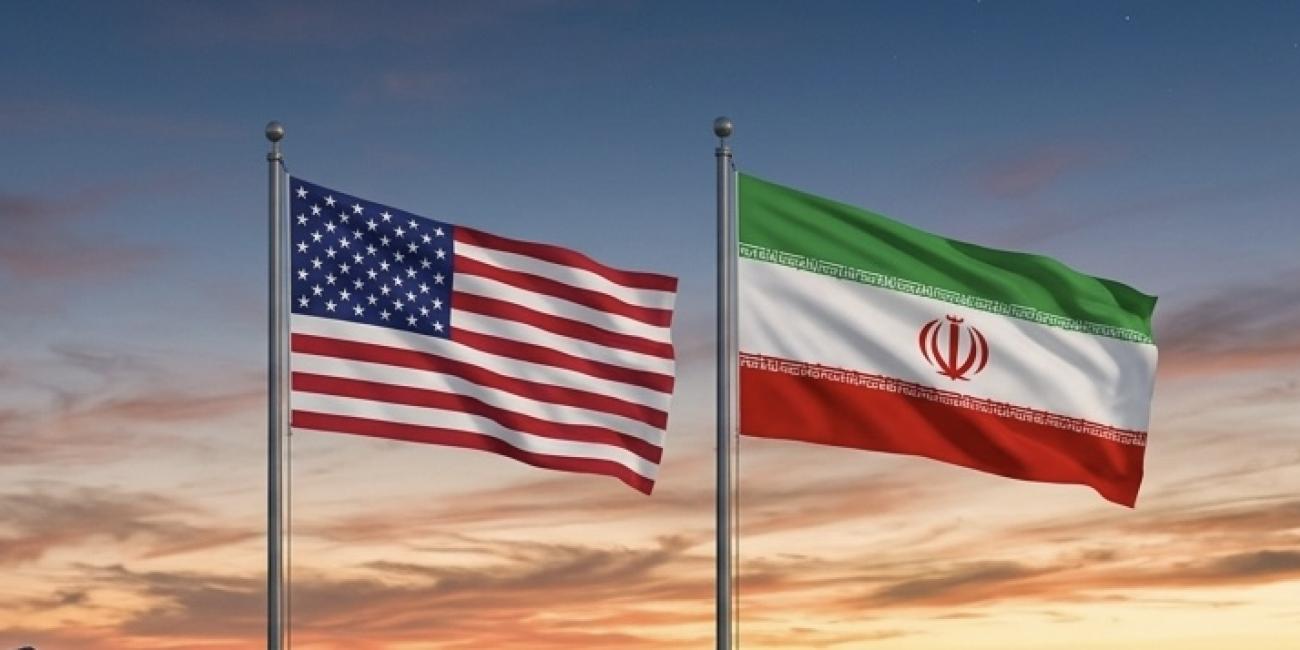
The United States of America and the Islamic Republic of Iran are expected to formally sign a peace agreement in Switzerland on June 19, following what mediators have described as the successful conclusion of intensive diplomatic negotiations aimed at ending months of military confrontation between the two countries and their respective allies.
The announcement was made by Pakistan’s Prime Minister, Shehbaz Sharif, in a statement shared on his official X account on Monday. According to Sharif, both Washington and Tehran have agreed to a comprehensive framework designed to bring an end to hostilities and establish a pathway toward lasting peace and stability in the region.
In his statement, the Pakistani leader described the development as a major diplomatic achievement and a significant step toward reducing tensions that have threatened regional and global security in recent months.
“Following intensive talks, we are pleased to announce that the Peace Deal between the United States of America and the Islamic Republic of Iran has been reached,” Sharif stated.
According to him, both parties have agreed to an immediate and permanent cessation of military operations across all areas of conflict.
“Both sides have declared the immediate and permanent termination of military operations on all fronts, including in Lebanon,” he added.
The reported agreement represents a potentially historic breakthrough in efforts to end a conflict that has generated widespread concern among governments, international organizations, and security experts around the world. The confrontation had heightened fears of a broader regional war capable of destabilizing the Middle East and disrupting global economic and energy markets.
For months, tensions between the United States and Iran had raised concerns about escalating military engagements, regional proxy conflicts, and the possibility of a wider international crisis. Diplomatic efforts by several countries intensified as world leaders sought avenues for de-escalation and dialogue.
According to Sharif, the culmination of these efforts has now produced a peace accord that both sides are prepared to formally endorse through a signing ceremony scheduled to take place in Switzerland.
“The official signing ceremony will be on Friday, 19 June in Switzerland,” he announced.
The choice of Switzerland as the venue underscores the country’s longstanding reputation as a neutral ground for international diplomacy and conflict resolution. Over the years, Switzerland has hosted numerous high-level negotiations involving rival nations seeking peaceful settlements to longstanding disputes.
Although the full details of the agreement have not yet been publicly disclosed, the announcement suggests that both governments have committed themselves to a diplomatic process designed to replace military confrontation with sustained dialogue and negotiated solutions.
Observers believe the agreement could include provisions relating to ceasefire arrangements, regional security guarantees, maritime navigation, economic cooperation, and future diplomatic engagement.
The peace initiative was reportedly facilitated by several influential regional actors who worked behind the scenes to bridge differences between Washington and Tehran.
Prime Minister Sharif acknowledged the contributions of Qatar, Saudi Arabia, and Türkiye, describing their involvement as instrumental in bringing the negotiations to a successful conclusion.
He expressed appreciation to both the United States and Iran for their willingness to embrace diplomacy despite deep political and strategic differences.
“We would like to thank the United States of America and the Islamic Republic of Iran for their commitment to finding a diplomatic solution to the conflict,” Sharif said.
He also praised the governments of Qatar, Saudi Arabia, and Türkiye for their efforts in supporting dialogue and facilitating negotiations between the two sides.
Diplomatic sources indicate that the period leading up to the formal signing ceremony will be dedicated to a series of preparatory meetings involving representatives of the participating countries and mediators.
These discussions are expected to focus on implementation strategies, verification mechanisms, and technical arrangements necessary for ensuring compliance with the terms of the agreement.
“With the agreement now in place, mediators will facilitate a series of meetings this week. These pre-implementation discussions will lay the foundation for the technical talks and the official signing ceremony,” Sharif explained.
Officials familiar with the process say the upcoming meetings will address practical issues related to monitoring the ceasefire, resolving outstanding security concerns, and establishing communication channels to prevent future misunderstandings between the parties.
Experts believe that successful implementation of the accord could significantly alter the political and security landscape of the Middle East.
The agreement has the potential to reduce tensions across multiple theatres of conflict, lower the risk of military escalation, and create opportunities for renewed cooperation among regional powers.
Analysts also note that a durable peace arrangement between the United States and Iran could have positive implications for international trade, energy security, and global financial markets.
One issue that has attracted considerable attention is the future of the Strait of Hormuz, one of the world’s most strategically important maritime routes.
On June 14, 2026, U.S. President Donald Trump announced that Washington and Tehran had agreed on a framework arrangement aimed at ending the conflict.
According to Trump, a key component of the emerging agreement involves reopening the Strait of Hormuz to international shipping and energy transportation.
The waterway serves as a critical route for global oil exports, and any disruption to navigation in the area has historically generated concerns about energy supplies and market stability.
Highlighting the significance of the development, Trump wrote on Truth Social: “Let the oil flow!”
The statement was widely interpreted as a signal that maritime traffic through the strategic corridor would resume under the terms of the peace arrangement.
The announcement has already attracted significant international attention, with governments, financial institutions, and international organizations closely monitoring developments ahead of the June 19 signing ceremony.
Many world leaders have welcomed reports of progress toward peace, viewing diplomacy as the most effective means of addressing longstanding disputes and preventing further loss of life.
Should the agreement be formally signed and successfully implemented, it would mark the end of months of hostilities and represent one of the most significant diplomatic breakthroughs in the region in recent years.
More importantly, it would signal a transition from military confrontation to diplomatic engagement between two nations whose complex and often adversarial relationship has shaped Middle Eastern geopolitics for decades.
As preparations continue for the Switzerland summit, attention is now focused on the details of the agreement and the commitments both sides are prepared to undertake in pursuit of a more stable and peaceful future.
If the accord achieves its intended objectives, it could become a landmark moment in international diplomacy and a model for conflict resolution in one of the world’s most volatile regions.