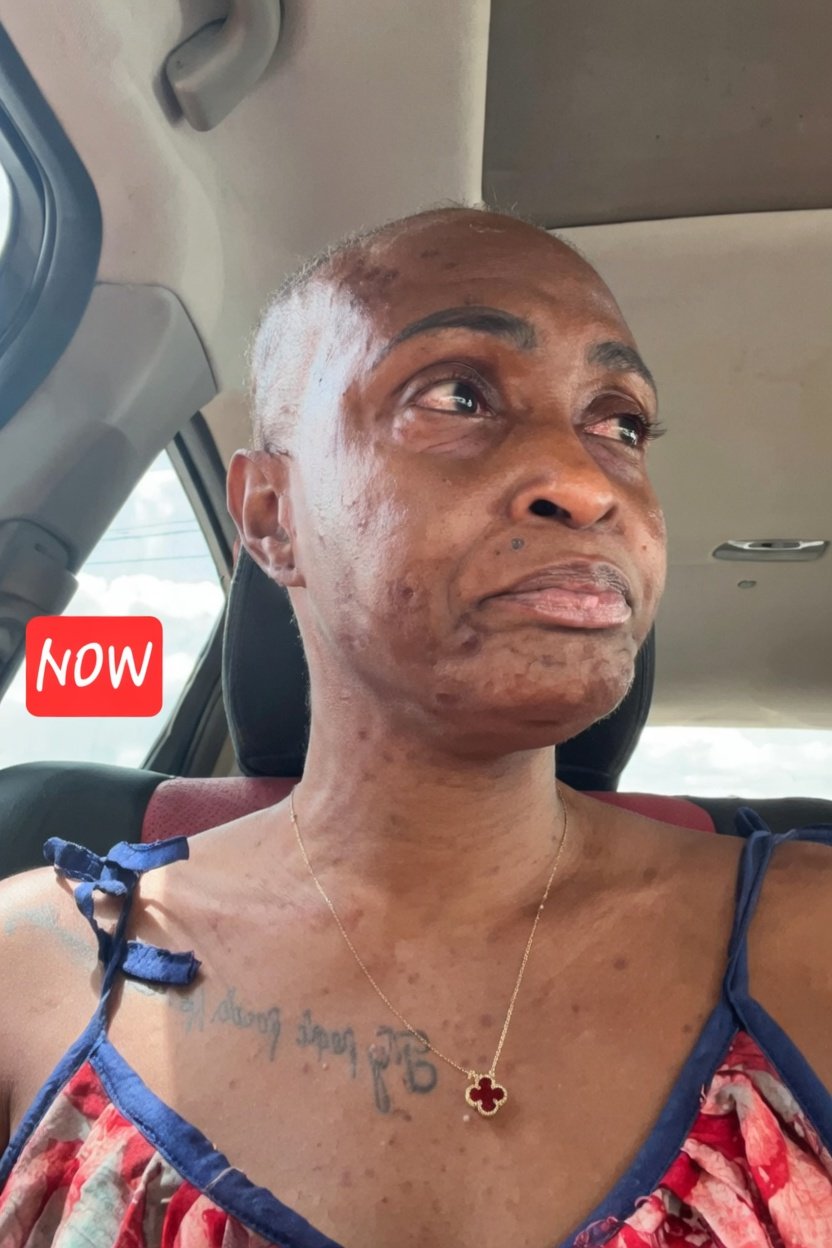
Popular relationship therapist and social media personality Blessing CEO has clarified recent controversy surrounding her health, stating that she was never diagnosed with stage 4 cancer and attributing earlier reports to a “miscommunication.”
The clarification comes amid growing public scrutiny over earlier claims that she was battling an advanced stage of cancer—claims that had sparked widespread sympathy and led to financial support from followers and well-wishers.
In a series of statements, Blessing CEO insisted that the narrative suggesting she had stage 4 cancer was inaccurate and not reflective of her actual medical condition. According to her, the situation was misunderstood and escalated beyond what was originally communicated.
“I never said I had stage 4 cancer. It was a miscommunication,” she stated, pushing back against critics who have accused her of misleading the public.
The controversy has also extended to the issue of donations she reportedly received during the period. Addressing this, she disclosed that the total amount she got from supporters was approximately ₦13 million—far less, she claimed, than figures being speculated in some quarters.
She maintained that the funds were given voluntarily by individuals who chose to support her and that there was no obligation on her part beyond receiving the goodwill extended to her.
However, her stance has drawn criticism, particularly regarding her refusal to provide medical records or detailed evidence to clarify the situation. Blessing CEO made it clear that she does not intend to release any test results or documentation to the public.
“I will not share my medical reports,” she said, emphasizing her right to privacy despite the public nature of the controversy.
Equally contentious is her refusal to issue an apology. While some observers argue that the situation warrants a formal apology—especially from those who feel misled—she has rejected such calls, maintaining that she did not deliberately deceive anyone.
The unfolding debate has sparked mixed reactions across social media platforms. While some supporters have defended her, arguing that personal health matters should remain private and that miscommunication can happen, others have expressed disappointment, saying public figures have a responsibility to communicate sensitive issues clearly—especially when public donations are involved.
Critics argue that once financial contributions are solicited or accepted based on a perceived crisis, there is a higher expectation of transparency and accountability. In their view, failing to clarify key details or acknowledge public concerns risks eroding trust.
On the other hand, her defenders insist that the backlash may be disproportionate, noting that online narratives can easily spiral out of control, sometimes distorting initial statements beyond recognition.
The incident has reignited broader conversations about the role of influencers in society, particularly when it comes to handling sensitive topics like health, fundraising, and public trust. It also raises questions about the balance between personal privacy and public accountability in the digital age.
As the conversation continues, Blessing CEO appears resolute in her position—standing by her explanation of a miscommunication, declining to release further evidence, and choosing not to apologize.
Whether the controversy fades or deepens may depend largely on how the public interprets her response and the expectations they place on public figures in similar situations.