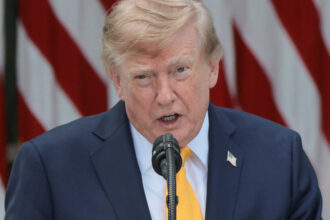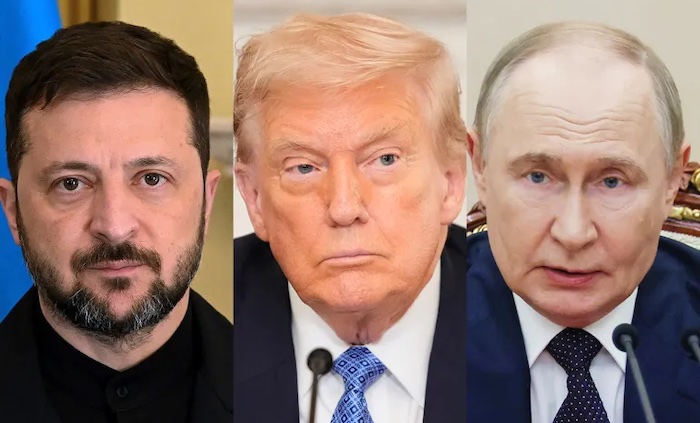
Trump made the remarks on Saturday while speaking to reporters at the White House, accusing the Ukrainian leader of creating problems for the international community by continuing to authorise strikes against Russian energy infrastructure.
The US president insisted that although Ukraine had the right to defend itself against Russia’s invasion, it should avoid targeting oil refineries because of the wider implications for global energy prices.
“We said, ‘You can do whatever you want to Russia, don’t hit the refineries,’ because that’s a world problem that’s caused,” Trump said.
He added that Zelensky should stop the attacks, suggesting that Ukraine needed a new leader who would be willing to negotiate an end to the war.
“He better damn well stop,” Trump said, before declaring that it was time for Ukraine to elect a president who could reach an agreement with Moscow.
Trump further accused Zelensky of missing opportunities to negotiate a settlement with Russia, claiming that the Ukrainian president could have secured several agreements but had failed to do so.
“He could have made many deals and for some reason, he never does,” the US president said.
The comments came amid renewed military attacks by Russia and Ukraine, with both sides intensifying strikes against energy infrastructure, transportation facilities and major logistics centres.
US-Russia Diesel Agreement Draws Criticism
Trump’s criticism of Zelensky followed his confirmation on Friday that an agreement had been reached with Moscow to suspend sanctions on Russian diesel exports until April 7.
The arrangement forms part of the US administration’s efforts to bring down domestic fuel prices ahead of the American midterm elections.
Fuel costs, particularly diesel, have risen sharply amid the conflict involving Iran, which began in February and has created additional economic and political challenges for the Trump administration.
Higher prices at the pump have placed pressure on American households and businesses, while the resulting increases in transportation and production costs have contributed to broader inflationary concerns.
The decision to ease restrictions on Russian diesel exports, however, has generated criticism from Ukraine and European officials, who argue that additional oil revenue could strengthen Moscow’s capacity to sustain its military campaign.
Zelensky Warns Against Easing Pressure on Moscow
Reacting to the agreement, Zelensky warned that suspending sanctions would provide Russia with additional resources to acquire military equipment and prolong its war against Ukraine.
He accused Moscow of interpreting the arrangement as an opportunity to continue its military operations, including attacks on Ukrainian cities.
According to the Ukrainian president, the decision risked undermining international efforts to pressure Russia into ending the conflict.
His comments followed deadly Russian strikes on Zaporizhzhia, which further heightened concerns over civilian safety and the continuing destruction of Ukrainian infrastructure.
Zelensky also held discussions with several international partners on Saturday, urging them to take concrete measures to protect Ukrainian lives and strengthen European security.
The Ukrainian leader has consistently maintained that any settlement must address Russia’s military aggression and provide credible guarantees against further attacks.
European Union Rejects Sanctions Relief
The European Union’s foreign affairs chief, Kaja Kallas, also criticised the decision to suspend sanctions on Russian diesel exports, warning that the move could increase Moscow’s revenue and undermine efforts to end the war.
Kallas argued that easing economic pressure on Russia at a time of intensified fighting would send the wrong signal.
“This is not the time to ease pressure on Russia, and Europe won’t,” she said.
She added that European foreign ministers intended to approve the bloc’s largest package of sanctions against Russia since the beginning of its full-scale invasion of Ukraine.
The proposed measures reflect continuing divisions between Washington and some of its European allies over the most effective strategy for ending the conflict.
While Trump has emphasised negotiations and measures intended to reduce fuel prices in the United States, European officials have continued to advocate sustained economic pressure on Moscow.
Fuel Prices and Political Pressure in Washington
Trump’s latest remarks highlight the growing connection between the war in Ukraine, international energy markets and domestic political considerations in the United States.
The administration has faced mounting pressure over rising petrol and diesel prices, with the economic consequences of the Iran conflict adding to concerns about inflation and the cost of living.
The midterm elections have increased the political significance of fuel prices, which directly affect household budgets and the operating costs of businesses across the country.
By seeking to facilitate Russian diesel exports, Trump appears focused on increasing supply and easing pressure on domestic energy markets.
However, the approach has raised questions about whether measures designed to lower American fuel prices could inadvertently provide Russia with additional financial resources to continue its military operations.
Trump’s demand that Ukraine replace Zelensky with a leader willing to negotiate also underscores the pressure Washington is placing on Kyiv to pursue a settlement.
For Ukraine, the challenge remains how to negotiate an end to the war without compromising its security or allowing Russia to strengthen its military position.
With fighting continuing and disagreements persisting among key international players, prospects for a lasting settlement remain uncertain.