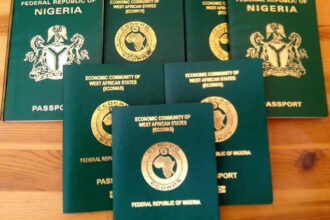
Nigerians and citizens of 32 other African countries are still required to obtain entry clearance before travelling to or transiting through the United Kingdom, following updated immigration guidance issued by the UK Home Office aimed at strengthening border controls and ensuring greater compliance with British immigration regulations.
The revised guidance, recently published by the UK authorities, reminds travellers that they must confirm they satisfy all visa and immigration requirements before making travel arrangements. Officials warned that passengers who fail to secure the necessary documentation before departure could experience significant disruptions, including denial of boarding by airlines, delayed journeys or outright refusal of entry upon arrival in the United Kingdom.
According to the updated guidance, nationals of more than 100 countries and territories worldwide continue to require a visa before travelling to the UK for short-term visits of up to six months, unless they qualify for a specific exemption under British immigration rules.
The Home Office explained that the visa requirement covers various categories of visitors, including those travelling for tourism, business engagements, family visits, medical treatment, educational activities and other permitted short-term purposes.
The guidance also extends to certain transit passengers passing through British airports on their way to other destinations. Depending on the traveller’s nationality, travel route and immigration status, entry clearance or a transit visa may still be required even if the passenger does not intend to leave the airport during the stopover.
British immigration authorities urged prospective travellers to verify their visa obligations before purchasing airline tickets, noting that airlines are legally required to ensure passengers possess the correct travel documentation before allowing them to board flights destined for the United Kingdom.
Failure to comply with the immigration requirements, the Home Office warned, may result in travellers being denied boarding at their point of departure or refused entry by UK border officials upon arrival.
The updated guidance also covers stateless persons and individuals travelling with documents other than officially recognised national passports or identity cards. Such travellers are required to obtain entry clearance before travelling to Britain, irrespective of the purpose of their visit.
According to the Home Office, the latest guidance forms part of broader measures designed to improve border management, strengthen immigration enforcement and enhance national security while facilitating legitimate travel by individuals who meet the country’s immigration requirements.
The United Kingdom remains one of the most popular international destinations for African travellers, attracting thousands of visitors annually for education, employment, tourism, business, medical services and family reunions.
Nigerians, in particular, constitute one of the largest African communities in the UK, with many travelling regularly for academic programmes, professional engagements, conferences, investment opportunities and visits to relatives.
Despite the updated immigration reminder, UK officials stressed that the policy does not represent a new visa regime but rather a reaffirmation of existing immigration requirements applicable to nationals of designated countries.
The guidance encourages travellers to familiarise themselves with the UK’s immigration rules well ahead of their intended travel dates in order to avoid unnecessary inconveniences.
Officials also advised prospective visitors to ensure that their passports remain valid for the duration of their journey and that any supporting documents required for visa applications are submitted accurately and within the stipulated timelines.
For travellers intending to transit through British airports, the Home Office recommended checking whether an Airside Transit Visa or Visitor in Transit Visa is required based on their nationality and travel itinerary.
The immigration guidance lists 33 African countries whose nationals continue to require visas before travelling to or transiting through the United Kingdom.
The countries are Algeria, Angola, Botswana, Burundi, Cameroon, the Republic of the Congo, the Democratic Republic of the Congo, Egypt, Eritrea, Eswatini, Ethiopia, The Gambia, Ghana, Guinea, Guinea-Bissau, Côte d’Ivoire, Kenya, Lesotho, Liberia, Libya, Malawi, Namibia, Nigeria, Rwanda, Senegal, Sierra Leone, Somalia, South Africa, South Sudan, Sudan, Tanzania, Uganda and Zimbabwe.
Citizens of these countries are expected to obtain the appropriate visa before commencing travel unless they qualify for an exemption under UK immigration law.
The Home Office noted that the visa requirement applies irrespective of whether the traveller intends to stay in the United Kingdom for only a few days or for the maximum permitted six-month period under a standard visitor visa.
Authorities further emphasised that possession of a valid visa does not automatically guarantee admission into the United Kingdom. Upon arrival, travellers must still satisfy Border Force officers that they meet the conditions of entry and that their visit complies with the purpose stated in their visa application.
Applicants are therefore advised to carry supporting documents, including return flight tickets, hotel reservations where applicable, proof of sufficient financial resources and evidence explaining the purpose of their visit.
Immigration experts say travellers should begin the visa application process several weeks before their planned departure because processing times may vary depending on the country of application, seasonal demand and the complexity of individual cases.
They also cautioned applicants against submitting false information or fraudulent documents, warning that such actions could result in visa refusals, travel bans or future immigration restrictions.
The updated guidance comes as the UK continues to modernise its immigration system through increased digitalisation of visa services, stronger identity verification procedures and tighter border security measures.
British authorities maintain that these reforms are intended to balance national security with legitimate international travel while ensuring that immigration rules are applied consistently.
For Nigerians and other African travellers planning trips to the United Kingdom, the latest guidance serves as an important reminder to verify visa requirements well in advance, complete all necessary documentation and comply fully with British immigration regulations before embarking on their journey.
Officials reiterated that early preparation remains the best way to avoid travel disruptions, ensuring that visitors can enter the United Kingdom smoothly for business, education, tourism, family visits and other legitimate purposes.