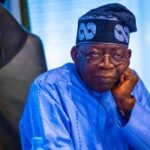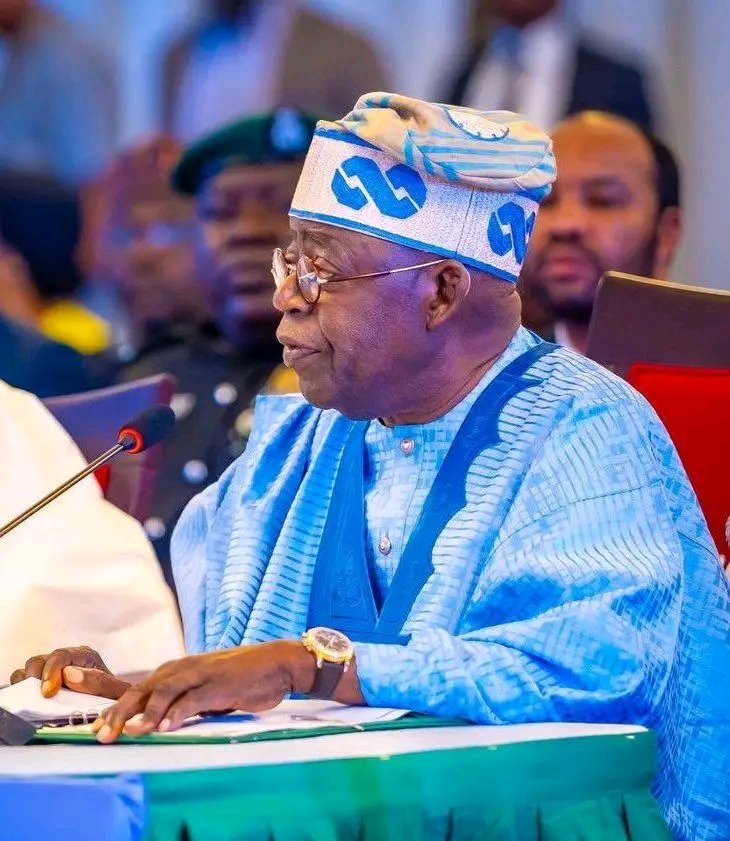
The Presidency has pushed back against criticism from the African Democratic Congress (ADC) over recent comments attributed to President Bola Ahmed Tinubu, insisting that the opposition party misinterpreted and politicised remarks that were not directed at it.
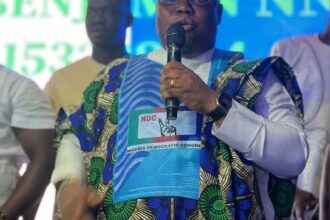
The controversy followed reactions to statements allegedly made by the President concerning a political gathering, which the ADC linked to its recent national convention held at the Rainbow Event Centre in Abuja. In response, a bloc within the party—the ADC National Legislators Serving and Former Forum—accused the President of making comments capable of undermining democratic norms.
The forum, led by former lawmaker Nnenna Ukeje, argued that the administration’s posture reflects a broader pattern of shrinking political space in the country. The group also drew attention to Tinubu’s history as an opposition figure, noting that he had previously championed political pluralism and judicial independence, values they claimed are now being contradicted.
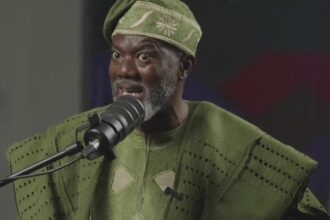
However, in a strongly worded response issued on Saturday via social media, the President’s Special Adviser on Media and Public Communication, Sunday Dare, rejected the allegations, accusing the ADC forum of deliberately distorting the President’s remarks for political gain.
Dare described the claims as unfounded and characterised the opposition group as engaging in conspiracy-driven narratives. He argued that the ADC is grappling with internal instability and is attempting to generate relevance through public controversy ahead of the next electoral cycle.
In his statement, titled “What’s That Noise! Response to Hon. Nnenna Elendu Ukeje and the ADC Forum of National Legislators—Nigeria’s Latest Bunch of Conspiracy Theorists,” Dare maintained that the President did not mention the ADC, either directly or indirectly, when he referred to a political event as “noise” or a “street convention.”
According to him, the remarks were general observations consistent with Tinubu’s established style of political commentary and were not intended as a targeted criticism of any specific party. He suggested that the ADC’s interpretation of the comments as an attack reflects a misplaced sense of relevance.
Dare further argued that the opposition coalition is a loosely assembled platform lacking ideological cohesion, formed primarily as a strategic vehicle for political positioning ahead of future elections. He dismissed its criticisms as lacking substance and driven more by theatrics than by evidence-based argument.
Addressing broader concerns raised by the ADC regarding the state of Nigeria’s democracy, Dare insisted that the country’s democratic institutions remain intact and functional. He rejected assertions that political space is being constrained, maintaining that multiple parties continue to operate freely within a competitive political environment.
He also responded to concerns about judicial independence, emphasising that the judiciary remains constitutionally autonomous. Dare warned against attempts to undermine public confidence in the courts through what he described as baseless and politically motivated accusations.
“Even before the official commencement of the election season, the opposition is already engaging in alarmist rhetoric,” Dare stated, suggesting that such tactics are aimed at discrediting the electoral process and attracting international attention.
He accused opposition figures of pursuing a familiar strategy: criticising the President, questioning the credibility of electoral institutions, and amplifying unverified claims in an effort to shape public perception. According to him, these actions are part of a broader attempt to gain political leverage rather than a genuine defence of democratic principles.
Dare also pointed out what he described as a contradiction in the ADC forum’s position. He noted that while the group acknowledged Tinubu’s longstanding contributions to Nigeria’s democratic development—including his role in strengthening opposition politics and promoting pluralism—it simultaneously portrayed him as a threat to those same values.
“That contradiction is not just weak—it is intellectually untenable,” Dare said, arguing that a political leader’s democratic credentials cannot be dismissed without credible evidence. He maintained that the principles that defined Tinubu’s political trajectory remain consistent and continue to guide his leadership.
He further contended that the ADC’s attempt to reinterpret the President’s remarks as a direct attack amounts to self-indictment, suggesting that the party may be projecting its own internal anxieties onto broader political discourse.
The Presidency’s response comes amid increasing political tension as parties begin to position themselves ahead of the 2027 general elections. With shifting alliances and emerging coalitions, public statements by political leaders are increasingly subject to scrutiny and interpretation.
While the ADC has framed its concerns within the context of safeguarding democratic space, the Presidency has countered by emphasising institutional stability and accusing the opposition of engaging in premature and unfounded criticism.
Observers note that the exchange reflects deeper fault lines within Nigeria’s political landscape, particularly as opposition groups seek to consolidate their positions and challenge the ruling establishment. At the same time, the government appears keen to defend its record and counter narratives that question its commitment to democratic governance.
Dare concluded by reiterating that the President’s remarks were not aimed at the ADC and should not be construed as such. He urged political actors to engage in constructive discourse grounded in facts, rather than resorting to speculation and misrepresentation.
As the political climate continues to evolve, the debate underscores the importance of clarity in public communication and the need for restraint in interpreting political statements, especially in a context where tensions can easily be amplified.