Tensions in the Middle East have sharply escalated following the interception and seizure of an Iranian-flagged cargo vessel by the United States Navy in the Gulf of Oman, an incident that now threatens to derail a fragile ceasefire between the United States and Iran.
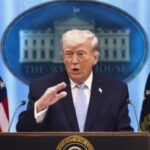
The development was announced by Donald Trump in a statement posted on the social media platform Truth Social. According to the US president, the vessel, identified as the Touska, was intercepted after it allegedly attempted to breach an ongoing US naval blockade in the region.
Trump stated that the cargo ship ignored repeated warnings issued by US naval forces, prompting a decisive military response. He said the Navy ultimately disabled the vessel by targeting its engine room, rendering it inoperable and forcing it to halt.
Following the disabling of the ship, US Marines reportedly boarded the vessel and took full control. The president noted that the Touska, a nearly 900-foot cargo ship, had previously been placed under sanctions by the United States Department of the Treasury due to what he described as a history of illicit activities linked to Iran’s shipping network.
The seizure marks a significant escalation in an already volatile regional conflict and has cast serious doubt over the sustainability of an existing ceasefire agreement. The truce, brokered with mediation efforts led by Pakistan, followed more than a month of intense hostilities involving the United States, Israel, and Iran. It was designed as a two-week pause in fighting and is currently scheduled to expire within days.
However, the latest confrontation at sea has raised fears that the ceasefire could collapse prematurely.
Iran has reacted strongly to the incident, condemning the interception as an act of aggression. Officials in Tehran described the seizure as “armed piracy” and a direct violation of the ceasefire terms. A spokesperson for Iran’s military command warned that the country’s armed forces would respond to what it views as an unlawful attack on a commercial vessel operating under its flag.
The sharp rhetoric from Tehran signals a potential retaliatory move, which could further inflame tensions and trigger a renewed cycle of confrontation in the region.
The timing of the incident is particularly sensitive, as it coincides with ongoing diplomatic efforts aimed at securing a more durable peace agreement. A high-level US delegation, led by Vice President JD Vance, was expected to travel to Islamabad for a second round of negotiations.
The delegation reportedly includes key advisers such as Jared Kushner and Steve Witkoff, underscoring the importance Washington attaches to the talks. Pakistan has played a central role in facilitating dialogue between the conflicting parties, positioning itself as a critical intermediary in efforts to de-escalate the crisis.
However, the prospects for further negotiations now appear uncertain. Iranian state media has denied that a second round of talks is currently scheduled, suggesting a breakdown in diplomatic momentum. Officials in Tehran have also indicated that they will not participate in any negotiations as long as the US naval blockade remains in effect.
This stance complicates efforts to sustain the ceasefire and raises the likelihood of renewed hostilities, particularly if retaliatory actions are carried out.
Beyond the immediate geopolitical implications, the incident is already having a ripple effect on global markets. Energy prices have begun to climb as uncertainty grows over the security of key maritime routes in the region.
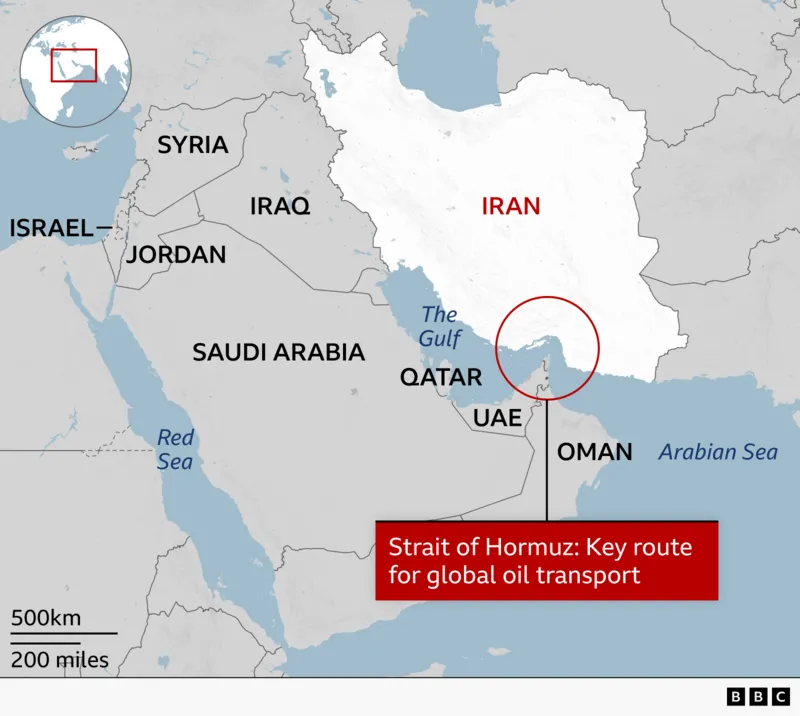
The Strait of Hormuz, a critical chokepoint through which a significant portion of the world’s oil and liquefied natural gas supplies pass, remains closed amid the ongoing tensions. The disruption of shipping through this narrow passage has heightened concerns about supply shortages and further price volatility in global energy markets.
Maritime activity in surrounding waters has also been affected, with commercial vessels exercising increased caution or rerouting to avoid potential confrontation zones. The situation underscores the strategic importance of the Gulf region and its vulnerability to geopolitical instability.
Analysts warn that the seizure of the Touska could mark a turning point in the current crisis. While the ceasefire had offered a temporary reprieve from escalating violence, the latest developments suggest that underlying tensions remain unresolved.
The convergence of military action, diplomatic uncertainty, and economic repercussions highlights the complexity of the situation. Any further escalation—whether through retaliation, continued enforcement of the blockade, or collapse of negotiations—could have far-reaching consequences not only for the region but also for global security and economic stability.
As the ceasefire deadline approaches, attention is now focused on whether diplomatic channels can be revived or whether the region is on the brink of a renewed and potentially more intense phase of conflict.