In a statement marking the sixth anniversary of the nationwide demonstrations, the human rights organisation highlighted recent cases of alleged extrajudicial killings and recalled the deaths and torture of Nigerians at the hands of security personnel before and after the protests.
Amnesty International said the continued failure to investigate abuses and prosecute officers suspected of wrongdoing had entrenched a culture of impunity within the Nigerian Police Force.
Among the recent cases cited by the organisation was the killing of Anthony Enruchi Obodo, a 22-year-old University of Port Harcourt graduate, who was allegedly shot dead by police officers on August 27, 2026.
According to Amnesty International, Obodo was driving when police officers pursued him and shot him. The organisation alleged that he was subsequently abandoned by the roadside in a pool of blood.
It also cited the killing of 28-year-old Mene Ogidi in Effurun, Delta State, on April 26, 2026. Amnesty International said Ogidi was restrained on the ground before a police officer allegedly shot him twice at close range.
The organisation said victims of alleged extrajudicial executions, torture and other forms of police abuse frequently encounter inaction when seeking justice.
“This lack of accountability breeds and perpetuates impunity, creating an environment where Nigerian police believe they have carte blanche to carry out atrocities,” Amnesty International said.
Previous cases of alleged police brutality
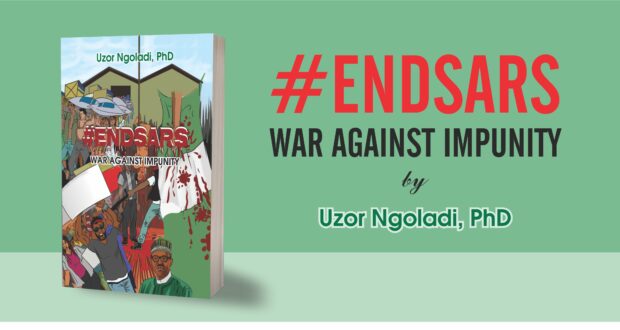
Amnesty International also recalled several cases of alleged police killings and torture recorded in Nigeria since the #EndSARS protests.
One of the cases involved Bolanle Raheem, a pregnant woman who was shot dead by a police officer at the Ajah Underbridge checkpoint in Lagos State on December 25, 2022.
The organisation also cited the killing of Onyeka Ibe, who was reportedly shot dead by a police officer in Delta State in April 2023 after refusing to pay a ₦100 bribe.
Another case involved Abdullahi Abba Tukur, a 17-year-old secondary school student who was allegedly tortured by security personnel in Yola, Adamawa State, in August 2023 over an accusation that he stole a smartphone.
Amnesty International further mentioned Kabiru Ibrahim, a young man from Soro village in Bauchi State, who allegedly died after being severely beaten and tortured by police officers over an accusation that he stole sachets of noodles.
The organisation also cited the case of Ahmed Ibrahim, a 20-year-old businessman who was allegedly killed by a police officer in the Zamare area of Yauri Local Government Area, Kebbi State, after refusing to pay a bribe.
According to Amnesty International, these incidents demonstrate that serious concerns about police brutality remain unresolved despite repeated promises of reform following the 2020 protests.
Renewed demand for justice over #EndSARS shootings
The organisation renewed its demand for credible investigations into the killings of protesters during the October 2020 demonstrations, particularly the shootings at the Lekki Toll Gate and Alausa protest grounds in Lagos.
Amnesty International said at least 12 people were killed at the two locations on October 20, 2020, while hundreds of others sustained serious injuries.
It recalled that its investigation into the incidents gathered accounts from eyewitnesses alongside video footage and hospital reports, which it said indicated that military and police personnel opened fire on protesters demanding an end to police brutality and improved governance.
According to the organisation, soldiers arrived at the Lekki Toll Gate protest ground at approximately 6:45 p.m. and fired at protesters between about 6:45 p.m. and 9 p.m.
Witnesses reportedly told the organisation that the soldiers opened fire without warning.
At the Alausa protest ground, Amnesty International said a combined team of soldiers and police officers attached to the Rapid Response Squad attacked protesters at about 8 p.m., killing at least two people and critically injuring another.
“Opening fire on peaceful protesters is a blatant violation of people’s rights to life, dignity, freedom of expression and peaceful assembly,” Osai Ojigho, then Country Director of Amnesty International Nigeria, said.
“Soldiers clearly had one intention – to kill without consequences,” she added.
The organisation also recalled reports that closed-circuit television cameras at the Lekki Toll Gate were removed shortly before the shootings and electricity was disconnected.
Amnesty International described these developments as raising concerns about possible efforts to conceal evidence of the incident. It also alleged that military personnel removed some people who had been killed or injured from the protest grounds.
“These shootings clearly amount to extrajudicial executions,” Ojigho said.
“There must be an immediate investigation and suspected perpetrators must be held accountable through fair trials. Authorities must ensure access to justice and effective remedies for the victims and their families.”
At least 56 deaths recorded during protests
Amnesty International said it monitored developments across Nigeria from the beginning of the #EndSARS demonstrations on October 8, 2020.
The organisation maintained that at least 56 people died across the country during the protests, with approximately 38 reportedly killed in a single day.
It said those killed included peaceful protesters and other individuals caught up in the violence surrounding the demonstrations. The organisation also alleged that some individuals described as thugs were hired by authorities to confront protesters.
Amnesty International accused security forces of repeatedly using excessive force to suppress or control the demonstrations, which began as a youth-led campaign against the now-disbanded Special Anti-Robbery Squad, known as SARS.
The protests subsequently expanded into a broader movement demanding police accountability, respect for human rights and improvements in governance.
Six years later, the organisation said the continued reports of alleged extrajudicial killings, torture and other abuses indicated that many of the fundamental concerns behind the protests remained unresolved.
It called on Nigerian authorities to conduct independent and credible investigations into allegations of unlawful killings and torture, prosecute officers and other security personnel found responsible, and ensure that victims and the families of those killed receive justice, compensation and effective remedies.
The organisation’s latest intervention has renewed attention on the implementation of police reforms and the broader question of accountability for human rights violations in Nigeria.