Former Kano State Governor and prominent northern politician, Rabiu Musa Kwankwaso, has revealed that he and his political supporters received no meaningful benefit after helping former President Muhammadu Buhari secure victory in the 2015 presidential election, despite what he described as enormous sacrifices and political risks taken at the time.
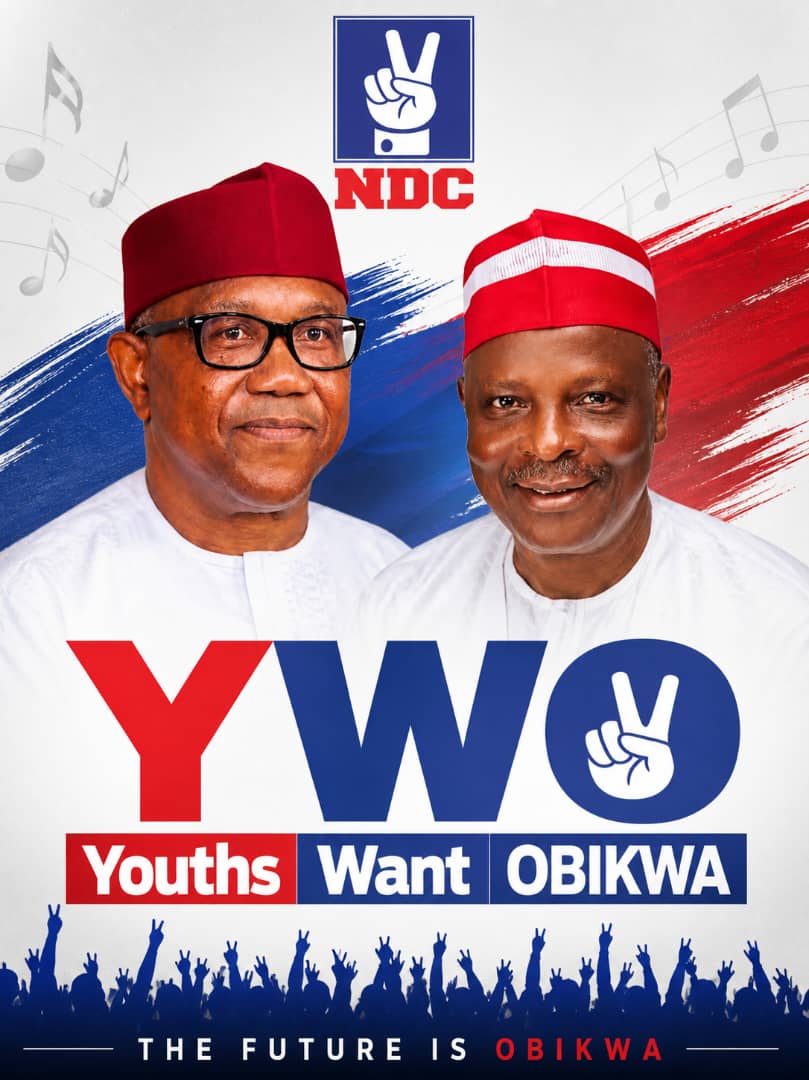
Kwankwaso made the remarks during an interview on ARISE Television on Monday, where he reflected on his political journey, the evolution of Nigeria’s democratic process since 1999, and the growing momentum behind the Nigeria Democratic Congress (NDC), which he recently joined alongside former Anambra State governor, Peter Obi.
The former governor said his political structure and supporters in Kano State played a major role in Buhari’s emergence as president in 2015, contributing close to two million votes during the historic election that ended the Peoples Democratic Party’s 16-year hold on power at the federal level.
According to Kwankwaso, the effort required enormous commitment and personal sacrifice from him and his loyalists, many of whom risked their political future and personal safety during the campaign period.
“I worked so hard. We brought about 1.9, almost two million votes,” Kwankwaso said during the interview.
“But as politicians, we were not recognised. We put our lives even on the line at that time. But unfortunately, we could not see any benefit either as individuals or the constituencies that we represented,” he added.
Although Kwankwaso did not provide details of the specific expectations he and his political associates had from the Buhari administration, his comments suggested deep disappointment with how political alliances and contributions were handled after the election victory.
The former governor’s remarks shed more light on the internal dissatisfaction that later emerged among several northern political figures who initially supported Buhari’s presidential ambition under the platform of the All Progressives Congress.
Kwankwaso’s relationship with the Buhari administration became strained during Buhari’s second term, eventually leading to his departure from the APC and return to opposition politics.
During the interview, Kwankwaso used Nigeria’s democratic history since 1999 to explain why he believes many Nigerians are now demanding a new political direction ahead of the 2027 general elections.
He reviewed the administrations that have governed Nigeria since the return to democracy, acknowledging some achievements while also highlighting what he described as missed opportunities and leadership failures.
Speaking on former President Olusegun Obasanjo, Kwankwaso said the retired military leader did his best under the circumstances at the time.
He also spoke about the late President Umaru Musa Yar’Adua, noting that his administration was significantly affected by serious health challenges that limited his ability to govern effectively.
On former President Goodluck Jonathan, Kwankwaso said his tenure became politically complicated following disagreements over an alleged arrangement that Jonathan would serve only one term before power returned to the North.
Kwankwaso argued that the current administration under President Bola Ahmed Tinubu has also failed to convince many Nigerians that meaningful change has arrived.
“Everybody knows there are issues with this administration again,” he said.
According to him, worsening economic hardship, insecurity, unemployment and declining public confidence in governance have created a growing desire for political transformation across the country.
“And therefore, people are determined at grassroots level, and even at the level we are operating now, that there should be some level of changes,” he stated.
Kwankwaso said the widespread dissatisfaction among Nigerians partly explains the rapid growth of support for the Nigeria Democratic Congress since he and Peter Obi officially joined the party earlier this month.
He disclosed that the response from Nigerians both within and outside the country had exceeded expectations, with supporters already opening party offices and mobilising structures across several locations.
“Since we decided to join NDC, Nigerians have decided to come and join us. People are opening offices everywhere across the world. So we are happy about that,” he said.
The former Kano governor also spoke extensively about leadership, national unity and the issue of zoning political offices, particularly the presidency.
Kwankwaso defended the decision of the NDC to zone its 2027 presidential ticket to southern Nigeria, insisting that competence and commitment to national development matter more than regional sentiment.
According to him, his years of political experience have taught him that having a president from one’s ethnic group or geographical region does not automatically translate into development or good governance.
“Those of us in the political trenches would tell you that it is not only the man from your end that would make the country move forward,” he said.
“What is key is to have quality leadership, people who are enthusiastic, determined and committed to give the country the leadership it deserves,” he added.
Kwankwaso maintained that the zoning arrangement adopted by the NDC was aimed at promoting fairness, equity and national cohesion while giving every part of the country a sense of belonging.
Political observers believe Kwankwaso’s comments may further deepen conversations around the future of opposition politics in Nigeria ahead of the 2027 elections, especially as new alliances continue to emerge among dissatisfied political figures.
His latest remarks also appear to signal a deliberate attempt to position the NDC as a major alternative platform capable of attracting supporters across regional, ethnic and religious lines.
With growing economic pressures and increasing political realignments already shaping conversations ahead of the next election cycle, Kwankwaso’s criticism of past administrations and his endorsement of a new political direction may further energise opposition mobilisation efforts in the months ahead.