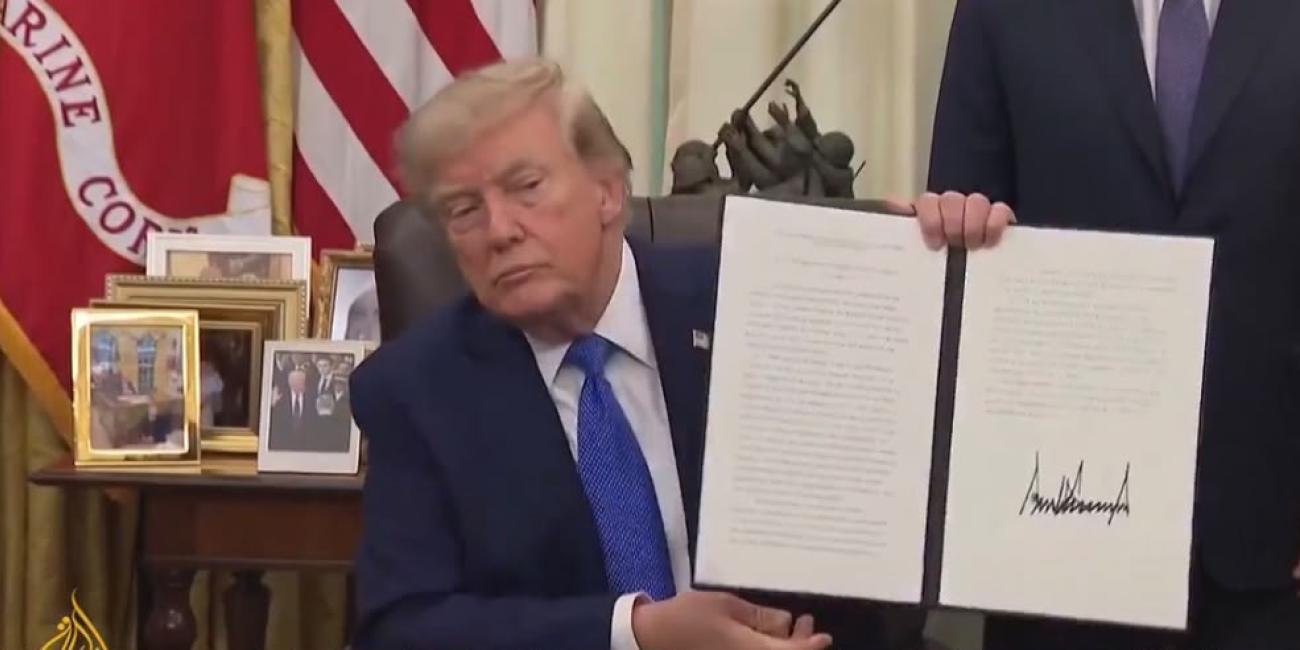
The administration of United States President Donald Trump has ended Temporary Protected Status (TPS) for nationals of Cameroon, Ethiopia, Somalia and South Sudan, in another major step toward tightening the country’s humanitarian immigration policies.
The decision affects eligible citizens of the four African countries who have been living and working legally in the United States under TPS protection. Those affected could lose their legal authorization to remain and work in the country if they do not have another valid immigration status.
TPS is a humanitarian immigration programme that allows nationals of designated countries to temporarily remain in the United States when conditions in their home countries make it unsafe for them to return. Such conditions may include armed conflict, natural disasters or other extraordinary circumstances.
However, TPS does not provide permanent residency or automatically create a pathway to American citizenship. Beneficiaries are required to obtain another lawful immigration status if they wish to remain in the United States after their TPS protection expires.
The latest decisions form part of a broader rollback of TPS designations under the Trump administration. Several countries that have benefited from the programme for years are now facing the loss of their protections as the government reassesses whether the conditions that originally justified their designation still exist.
Countries affected by the broader TPS rollback include Afghanistan, Cameroon, Ethiopia, Haiti, Honduras, Myanmar, Nepal, Nicaragua, Somalia, South Sudan, Syria, Venezuela and Yemen.
For nationals of Cameroon, Ethiopia, Somalia and South Sudan who do not have another valid immigration status, the termination of TPS could have significant consequences. Among the immediate concerns are the loss of employment authorization and the possibility of immigration enforcement action.
The end of TPS, however, does not automatically mean that every affected individual will be deported from the United States.
Immigrants with pending applications for another lawful status, active legal claims or eligibility for other forms of immigration protection may still have legal grounds to remain in the country. Immigration authorities are expected to assess individuals based on their particular circumstances and existing legal status.
The policy shift has nevertheless created considerable uncertainty among affected immigrant communities, particularly those who have lived in the United States for many years, established families, secured employment and built businesses under the protection of TPS.
For some beneficiaries, the programme has been in place for decades because the circumstances that originally triggered the designation remained unresolved.
Somalia, for example, was first granted TPS protection in 1991 following the collapse of the country’s central government and the ensuing instability. Successive American administrations continued the designation as Somalia struggled with insecurity, political instability and humanitarian challenges.
South Sudan was also designated for TPS amid serious conflict and humanitarian concerns following its independence and subsequent instability. Ethiopia and Cameroon were similarly granted protections in response to armed conflicts, political instability and deteriorating humanitarian conditions.
Although TPS is legally intended to be temporary, designations have sometimes remained in effect for extended periods when conditions in the designated countries continued to make safe return difficult or dangerous.
The termination of these protections therefore represents a significant change for communities that have relied on the programme for years.
Immigration advocates and affected nationals are expected to closely monitor the implementation of the new policy, particularly the deadlines attached to the termination of TPS and the options available to individuals seeking alternative legal status.
Those affected may need to determine whether they qualify for permanent residency, asylum, employment-based immigration, family-based immigration or another form of protection under US immigration law.
The changes also highlight the increasingly restrictive direction of the Trump administration’s immigration agenda. Since returning to office, President Trump has pursued measures aimed at reducing illegal immigration, increasing deportations and narrowing access to humanitarian protections.
For African immigrants protected under TPS, the latest decisions could have far-reaching personal and economic consequences.
Many beneficiaries have jobs, homes, businesses and families in the United States and may have spent years contributing to their local communities. The loss of legal work authorization could therefore affect not only the individuals concerned but also their families and employers.
As the termination of TPS takes effect, affected nationals from Cameroon, Ethiopia, Somalia and South Sudan face difficult decisions about their immigration futures. Those without alternative legal protections could ultimately be required to leave the United States.
The developments have consequently renewed debate over the balance between immigration enforcement and humanitarian protection, particularly where political and security conditions in the countries concerned remain fragile.
For thousands of affected Africans in the United States, the end of TPS marks the beginning of a period of uncertainty as they seek to determine whether they can legally remain in the country or must prepare to return to their countries of origin.