The United States is currently without Senate-confirmed ambassadors in Nigeria and at least 116 other countries, highlighting a significant gap in its global diplomatic representation, according to official records released by the U.S. Department of State.
The document, titled “Ambassadorial Assignments Overseas” and published on April 8, 2026, by the Office of Presidential Appointments, indicates that a total of 117 diplomatic posts across the world remain unfilled.
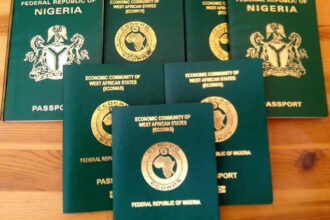
Nigeria, one of Washington’s key partners in Africa, is among the countries currently without a confirmed U.S. ambassador. Instead, diplomatic operations in the country are being overseen by a chargé d’affaires, a temporary arrangement commonly used when ambassadorial appointments are pending.
The vacancies span multiple regions, including Africa, Europe, Asia, the Americas, and Oceania, reflecting a widespread shortfall in high-level diplomatic representation.
Across Africa, several countries are affected by the absence of confirmed U.S. envoys. These include Ghana, Kenya, Egypt, South Africa’s regional neighbours such as Cameroon, Senegal, Rwanda, and Tanzania, among many others. Nigeria’s inclusion on the list is particularly notable given its strategic importance in regional security, trade, and diplomatic engagement.
In Europe, key nations such as Germany, Norway, Ukraine, and Russia are also without Senate-confirmed U.S. ambassadors. The absence of envoys in these countries comes at a time of heightened geopolitical tensions across the continent.
Similarly, in Asia and the Middle East, countries including Saudi Arabia, United Arab Emirates, South Korea, Pakistan, and Indonesia are affected. In some of these nations, chargé d’affaires or acting envoys have been managing diplomatic affairs in the absence of formally appointed ambassadors.
The trend extends to the Americas, where countries such as Brazil, Colombia, Jamaica, Haiti, and Trinidad and Tobago currently lack confirmed U.S. ambassadors.
In Oceania, several strategically important island nations—including Australia, New Zealand, Papua New Guinea, and Fiji—are also on the list of countries without full ambassadorial representation.
Diplomatic observers say the widespread vacancies raise concerns about the effectiveness of U.S. foreign policy implementation, as ambassadors play a central role in representing national interests, coordinating bilateral relations, and engaging directly with host governments at the highest levels.
While chargé d’affaires can manage day-to-day diplomatic functions, they typically lack the political authority and direct access that Senate-confirmed ambassadors possess. This can limit the scope of engagement, particularly in sensitive or high-stakes negotiations.
The development follows earlier changes in U.S. diplomatic staffing. In December 2025, the administration of President Donald Trump reportedly recalled nearly 30 career diplomats from ambassadorial and senior embassy positions worldwide as part of a broader effort to realign diplomatic representation with its foreign policy priorities.
Those recalls affected mission heads in at least 29 countries, including a significant number across Africa, and contributed to the current gaps in representation.
Although ambassadorial appointments are subject to presidential nomination and Senate confirmation, delays in the process—along with policy shifts—can result in prolonged vacancies. In recent months, some nominations have been announced, but many remain pending legislative approval.
Analysts warn that the absence of ambassadors in key countries could have implications for diplomatic influence, economic relations, and security cooperation. In regions facing instability or strategic competition, the lack of a senior envoy may weaken the United States’ ability to respond swiftly and effectively to emerging developments.
In Nigeria, the vacancy comes at a time when bilateral cooperation spans multiple sectors, including counterterrorism, economic development, and democratic governance. Experts note that the absence of a confirmed ambassador could affect high-level diplomatic engagement, even as routine embassy operations continue.
Globally, the scale of the vacancies—covering more than half of U.S. diplomatic posts—has prompted debate about the country’s diplomatic posture and capacity to project influence across different regions.
Some foreign policy experts argue that the reliance on interim diplomatic arrangements may signal a shift in how the United States prioritises its global engagements, while others see it as a temporary consequence of administrative and political processes.
As the situation evolves, attention will likely focus on whether pending nominations are expedited and how quickly the vacancies are filled. Until then, U.S. diplomatic missions in Nigeria and dozens of other countries will continue to operate without Senate-confirmed ambassadors, relying on interim leadership to maintain bilateral relations.