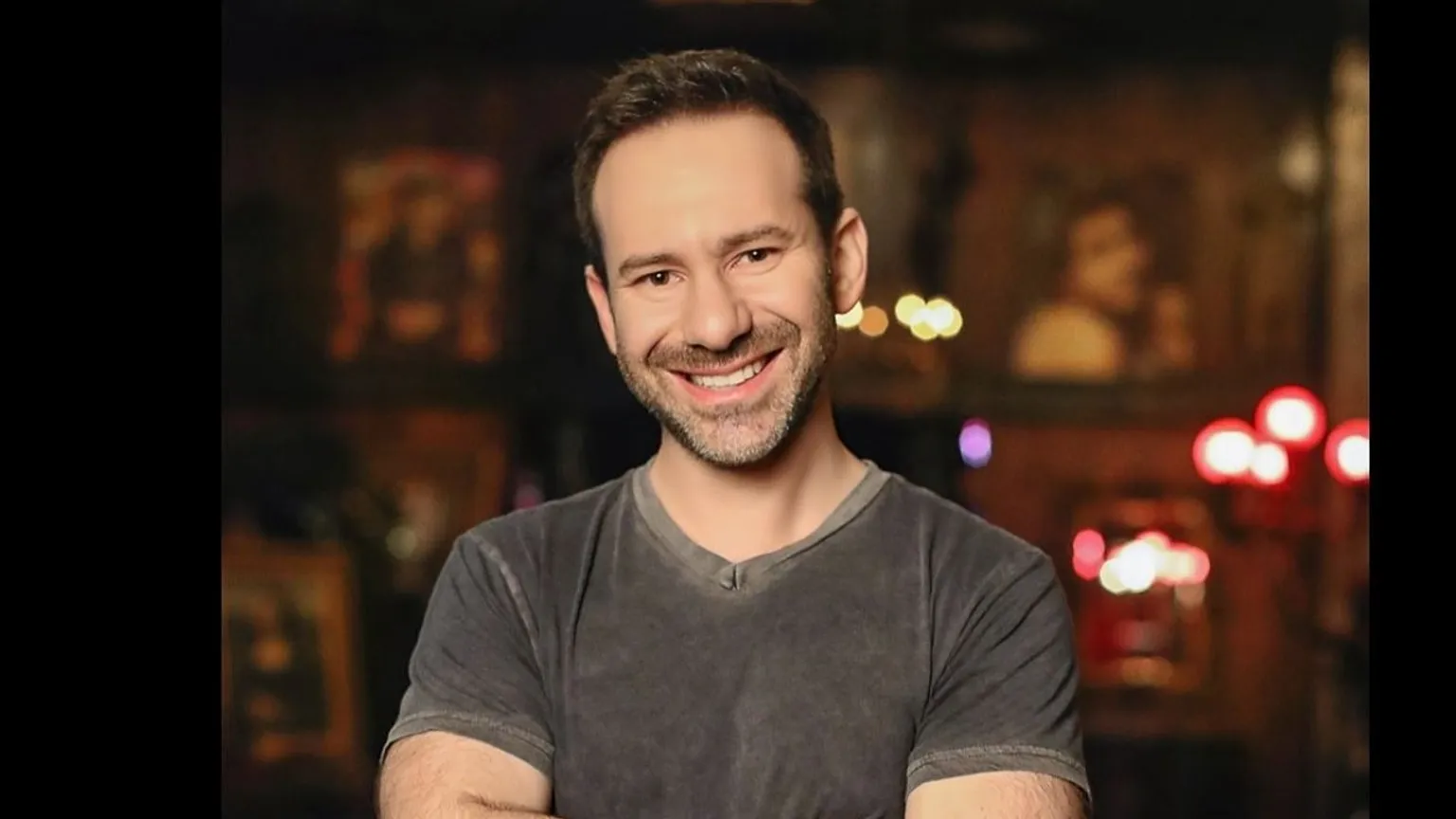
Leonid Radvinsky, the billionaire entrepreneur who transformed OnlyFans into one of the most profitable and polarising platforms on the internet, has died at the age of 43 following a prolonged battle with cancer.
In a brief statement, OnlyFans confirmed that Radvinsky “passed away peacefully,” asking the public and media to respect the privacy of his family during what it described as a profoundly difficult time. His death marks the close of a defining chapter in the story of a company that reshaped digital content monetisation and sparked global debate about the future of online platforms.
Radvinsky, a Ukrainian-born American who was raised in Chicago, was known as a low-profile but highly strategic investor. Though he rarely granted interviews or made public appearances, his influence on the creator economy was undeniable. After acquiring OnlyFans in 2018 from its British founders, he quietly engineered a dramatic transformation that would propel the company into the global spotlight.
When OnlyFans was founded in 2016, it was positioned as a subscription-based platform where creators could charge followers for exclusive content. The model was simple: creators set a monthly subscription fee, and the platform retained 20 percent of earnings, while the remaining 80 percent went to the content producer. Initially, the site hosted a wide range of creators, from fitness instructors and musicians to lifestyle influencers.
Under Radvinsky’s ownership, however, the platform’s identity evolved rapidly. It became best known for adult content creators who used the site to offer explicit material directly to paying subscribers. That shift, while controversial, proved commercially explosive.
The turning point came during the COVID-19 pandemic. As lockdowns swept across countries and millions of people found themselves confined to their homes, the digital economy experienced unprecedented growth. Traditional employment sectors contracted, but online platforms flourished. OnlyFans became a lifeline for many individuals seeking alternative income streams, as well as for audiences craving direct, personalised interactions with creators.
The numbers told the story. By 2021, OnlyFans had recorded staggering revenue growth, and Radvinsky had joined the ranks of global billionaires, according to Forbes. His net worth soared as the platform’s user base expanded across continents. What had once been a niche site became a mainstream cultural phenomenon — frequently discussed, often criticised, but undeniably profitable.
Financial filings from recent years underscore the scale of that growth. In 2024 alone, the company reportedly generated approximately $1.4 billion in revenue. It counted more than 377 million registered users and about 4.6 million content creators worldwide. The platform’s commission structure ensured a steady and predictable stream of income for the company, even as individual creator earnings fluctuated.
Radvinsky’s approach to leadership was characterised by discretion. Unlike many tech founders who cultivate public personas, he operated largely behind the scenes. His strategy centred on empowering creators with tools to monetise their content directly, whether through subscriptions, tips, or personalised pay-per-view requests. The platform’s success rested on this direct-to-consumer model, which eliminated traditional intermediaries and allowed creators to build independent digital businesses.
Yet the success of OnlyFans also brought controversy. Critics argued that the site normalised explicit content and raised concerns about exploitation, content moderation, and digital safety. In 2021, the company briefly announced plans to restrict sexually explicit content, citing pressure from banking partners and payment processors. The decision triggered backlash from creators and subscribers alike, and the company quickly reversed course. The episode highlighted both the economic power of its creator base and the delicate balance the platform had to maintain between financial partners and its core community.
Despite the controversies, supporters of Radvinsky point to his role in decentralising income opportunities in the digital age. For millions of creators, OnlyFans represented financial autonomy. Many users credited the platform with helping them pay tuition fees, mortgages, medical bills, and other essential expenses during periods of economic instability.
Beyond OnlyFans, Radvinsky had interests in the broader technology sector. He operated Leo.com, a Florida-based venture capital firm that invested in technology startups. Through this vehicle, he backed emerging companies in software, digital infrastructure, and online services, demonstrating a keen interest in scalable internet-based business models.
He was also known for philanthropic contributions, particularly in the area of cancer research. Among the beneficiaries of his donations was the Memorial Sloan Kettering Cancer Center, one of the world’s leading institutions for oncology treatment and research. Those close to him have noted the personal significance of his support for medical research, particularly given his own battle with cancer.
While Radvinsky’s business decisions often attracted headlines, those who worked with him described him as analytical, private, and focused on long-term growth rather than short-term publicity. He rarely sought attention, allowing the platform’s financial results to speak for themselves.
His death leaves unanswered questions about the future direction of OnlyFans. With a massive global user base and a highly profitable subscription model, the company remains a dominant force in the creator economy. However, leadership transitions in fast-moving digital businesses can introduce strategic uncertainty. Industry analysts will now watch closely to see how the company navigates governance, regulatory scrutiny, and competitive pressures in a rapidly evolving online landscape.
For many creators, Radvinsky’s legacy will be defined not only by the wealth he accumulated but by the infrastructure he helped build — a platform that altered how content is monetised on the internet. For critics, his tenure will remain intertwined with debates about digital ethics and platform responsibility.
At just 43, his passing underscores the fragility of life even amid extraordinary financial success. In its statement, OnlyFans described him as a visionary entrepreneur whose work “reshaped the creator economy.” Whether viewed through the lens of innovation or controversy, there is little doubt that Leonid Radvinsky played a central role in redefining how millions of people around the world earn and spend money online.
As his family mourns privately, the digital empire he leaves behind continues to operate — a testament to the profound and lasting impact he had on one of the internet’s most disruptive platforms.