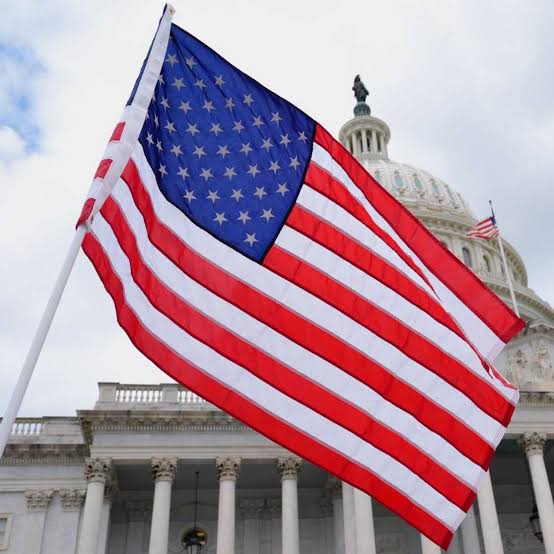
The United States government has announced new visa restrictions targeting certain foreign nationals linked to South Africa, accusing them of being responsible for, or complicit in, policies involving uncompensated land seizures, race-based discrimination and the incitement of imminent violence against minority ethnic or racial groups.
The policy was announced on Tuesday, September 15, 2026, by US Secretary of State Marco Rubio under Section 212(a)(3)(C) of the Immigration and Nationality Act. The provision allows the US Secretary of State to declare a foreign national inadmissible where their entry could have potentially serious adverse consequences for US foreign policy. Certain family members may also be covered by the restrictions.
The latest measure represents another escalation in the increasingly strained relationship between Washington and Pretoria, with disagreements over South Africa’s land reform programme, race-conscious economic policies and the treatment of minority communities at the centre of the dispute.
According to the US State Department, Washington remains concerned about what it describes as racially motivated crime and government-sponsored discrimination against Afrikaners and other minority populations in South Africa.
Rubio said the South African government had not adequately addressed concerns previously raised by the United States.
The new policy, according to the US announcement, is directed at foreign nationals who are involved in the enactment or implementation of laws or policies that Washington believes enable uncompensated land seizures, race-based discrimination or incitement of imminent violence against minority racial or ethnic groups.
The United States has pointed to several South African policies and developments in explaining its position, including legislation relating to land expropriation and the country’s broader Black Economic Empowerment framework.
Land reform remains one of South Africa’s most politically sensitive issues more than three decades after the end of apartheid. Successive governments have pursued policies aimed at addressing the racial inequalities in land ownership created during the apartheid era, while also facing concerns over property rights, investment and economic stability.
Washington has particularly criticised South Africa’s approach to land redistribution, arguing that aspects of the policy could allow property to be taken without adequate compensation.
Pretoria, however, has rejected the characterisation that its policies amount to systematic discrimination or persecution of white South Africans.
South Africa’s government has maintained that its land and economic transformation policies are intended to address inequalities created by centuries of racial discrimination and apartheid. The government has also defended its sovereign right to enact laws addressing those historical inequalities.
The United States has also raised concerns over racially charged rhetoric in South Africa, including the controversial “Kill the Boer” chant, which has been the subject of significant domestic and international debate.
The US administration argues that rhetoric capable of encouraging racial violence should be addressed by the South African authorities. Pretoria has disputed Washington’s broader portrayal of South Africa as a country where white citizens face systematic persecution.
The dispute has been further complicated by President Donald Trump’s repeated claims concerning the treatment of Afrikaners. South African officials have rejected allegations of a campaign of persecution against white citizens and have urged the international community to distinguish legitimate concerns about crime and inequality from claims they consider misleading or unsupported.
The new visa restrictions do not, at this stage, constitute a blanket travel ban on South Africans.
The US government has not publicly identified the individuals who will be affected by the new policy, nor has it released a comprehensive list of those who may be subject to the restrictions. The announcement instead establishes a policy framework under which particular foreign nationals can be denied entry to the United States because of their alleged involvement in the policies identified by Washington.
The restrictions also form part of a broader deterioration in relations between Washington and Pretoria.
The Trump administration has previously taken other measures against South Africa, including reducing or ending certain forms of assistance, expelling South Africa’s ambassador to the United States and introducing a refugee pathway for some Afrikaners. Washington has also criticised South Africa over its foreign-policy positions, including its case against Israel at the International Court of Justice.
South Africa has continued to defend its foreign and domestic policies, arguing that disagreements with Washington should be addressed through diplomatic engagement.
In response to the latest visa announcement, South Africa’s Foreign Ministry said the United States had once again mischaracterised the country’s domestic policies. It argued that Pretoria had a sovereign right to enact measures intended to address the consequences of historical racial injustice.
The South African government has also maintained that its post-apartheid policies are designed to promote greater economic participation by historically disadvantaged communities.
The country’s race-conscious policies, including Black Economic Empowerment and affirmative-action measures, have long been defended by the government as mechanisms for correcting economic disparities produced by apartheid. Critics, however, have argued that some of these policies can create new forms of discrimination or economic inefficiency.
The disagreement therefore extends beyond land ownership to the broader question of how South Africa should address the economic and social consequences of its racial history.
The latest US action is also significant because it uses immigration restrictions as an instrument of foreign policy. Rather than applying sanctions broadly to South African citizens, Washington has said it intends to target individuals it considers responsible for or complicit in policies that it believes have serious implications for US foreign-policy interests.
The US ambassador to South Africa has indicated that the visa restrictions could be followed by additional measures, further raising tensions between the two countries.
For ordinary South Africans, the immediate impact of the announcement remains uncertain because Washington has not disclosed the identities of those affected.
What is clear, however, is that the visa restrictions have added another dimension to an increasingly contentious US-South Africa relationship. Land reform, racial inequality, economic transformation, minority rights and competing interpretations of South Africa’s post-apartheid political order are now central issues in the diplomatic dispute.
As Pretoria and Washington continue to defend their respective positions, the latest visa restrictions are likely to intensify debate over South Africa’s land and economic policies and the extent to which the United States can use immigration measures to influence the domestic policies of another sovereign state.