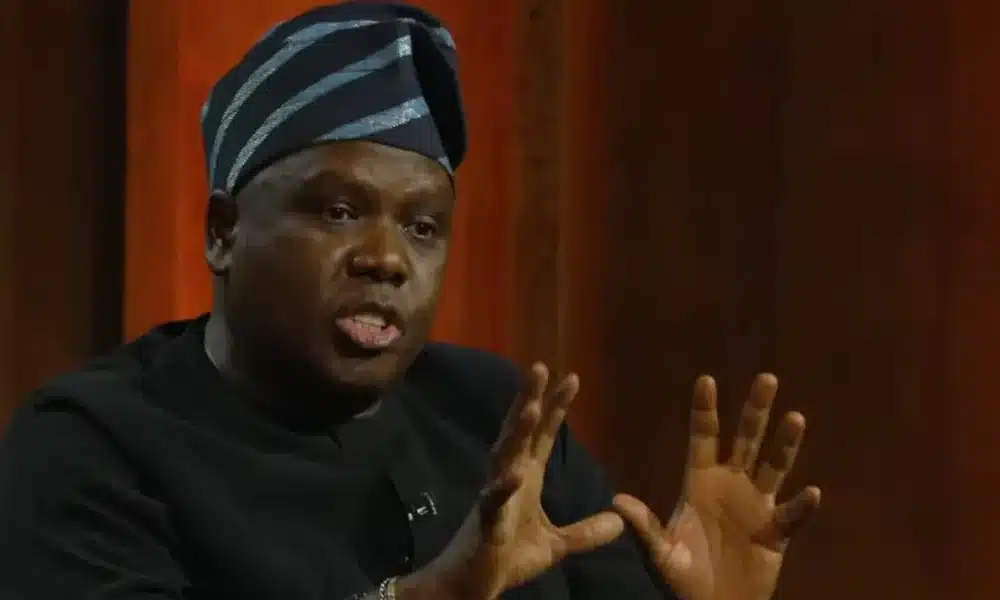
Bwala made the remarks in a post on X on Sunday, shortly after the opposition party announced the formation of the council.
He also accused the NDC of failing to identify its media surrogates in mainstream broadcasting, alleging that some were operating under the guise of on-air personalities.
“Peter Obi and NDC have released their list of campaign council members and, as expected, it is filled with content creators,” Bwala wrote.
“They stylishly refused to name their campaign media surrogates in the mainstream media masquerading as OAP.”
The criticism comes as political parties begin to establish campaign structures, strengthen their communication strategies and mobilise supporters ahead of the 2027 general elections.
The NDC had earlier announced the formation of its National Campaign Council, which it said would oversee campaign activities across the country and coordinate efforts to mobilise support for its candidates.
Under the announced arrangement, the party’s National Leader, Senator Henry Seriake Dickson, will serve as chairman, while its presidential candidate, Peter Obi, will be co-chairman.
The National Chairman of the party, Senator Cleopas Moses Zuwoghe, was named vice-chairman, while its vice-presidential candidate, Senator Rabiu Musa Kwankwaso, was appointed co-vice-chairman.
The party also named its National Secretary, Barrister Ikenna Morgan Enekweizu, as secretary of the council, with Mallam Ibrahim Hussain Abdulkarim appointed director-general.
According to the NDC, the council is expected to provide strategic leadership, coordinate nationwide campaign activities and drive mobilisation in support of its vision of building “a new, just, and prosperous Nigeria.”
The party also pledged to pursue what it described as a people-centred and issue-based campaign, while urging its members, supporters and Nigerians to remain united ahead of the elections.
Bwala’s comments have brought attention to the composition of the NDC’s campaign leadership and the role of media personalities and digital content creators in political communication.
As the 2027 elections approach, the use of social media influencers, broadcasters and other public figures is likely to remain an important feature of political campaigns, particularly as parties seek to reach different categories of voters.