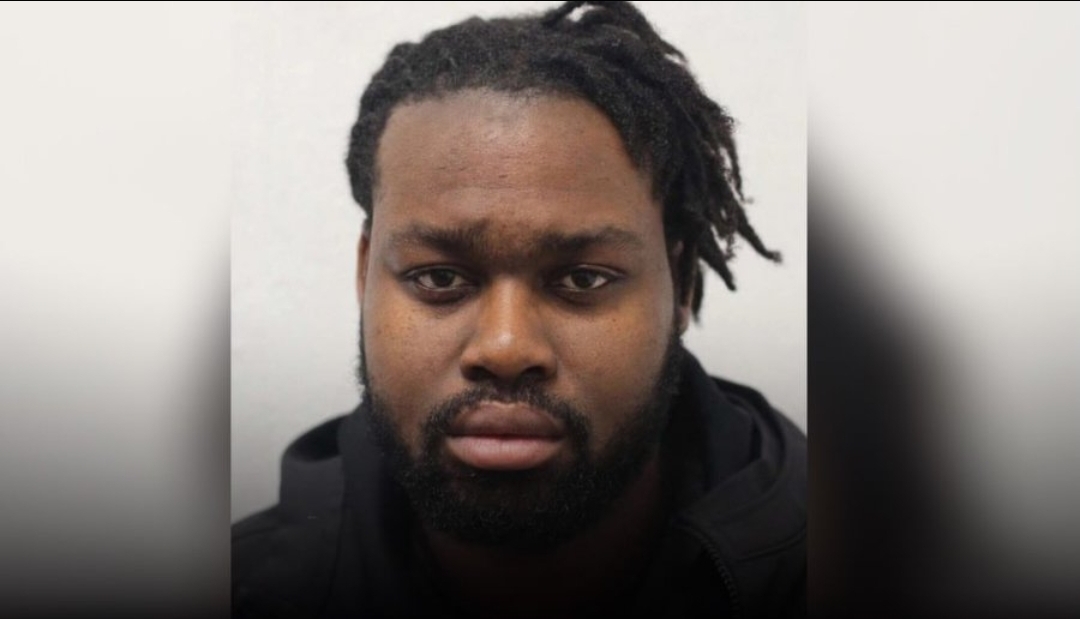
Osagie, who resides in Bexley, London, was also handed a 10-year restraining order prohibiting him from contacting the victim.
According to Merseyside Police, the case was reported in February 2023 after the woman discovered that her Snapchat and X accounts had been compromised.
Investigations revealed that Osagie allegedly used the victim’s photographs to create fake social media profiles advertising her as a sex worker. He also sold her images online and attempted to extort money from her.
Following a police investigation, Osagie was arrested and subsequently pleaded guilty to offences relating to computer hacking and blackmail.
He was sentenced on Monday, October 12, 2026.
Detective Sergeant Darren Devonport, who commented on the case, said Osagie’s actions had caused the victim significant distress by violating her privacy and attempting to extort money from her.
Devonport commended the woman for reporting the incident to the police, noting that reporting such offences was important in helping investigators identify perpetrators and bring them to justice.
He also reaffirmed the police’s commitment to tackling the unlawful possession and distribution of indecent images.
The case highlights the growing concerns surrounding cybercrime, online impersonation, digital blackmail and the misuse of personal photographs on social media platforms.
The incident underscores the risks individuals face when their online accounts are compromised and personal images are used without their consent.
Cybercriminals may exploit stolen account credentials and private photographs to create fraudulent profiles, damage victims’ reputations or threaten to publish sensitive material unless demands for money are met.
Such conduct can have serious emotional, psychological and reputational consequences for victims, particularly when their images are used to falsely portray them as engaging in activities they have not authorised or participated in.
The 10-year restraining order imposed on Osagie is intended to prevent him from contacting the victim during the period specified by the court.
Police have continued to encourage victims of online blackmail, account hacking and image-based abuse to report incidents rather than submit to threats or demands for money.
The conviction and prison sentence serve as a reminder that online platforms are not beyond the reach of criminal law and that digital offences can result in significant legal consequences.
Authorities also urge social media users to strengthen account security, use unique passwords and two-factor authentication where available, and report suspicious account activity promptly.
The case demonstrates the potential consequences of exploiting another person’s online identity and private images for intimidation, financial gain or public humiliation.