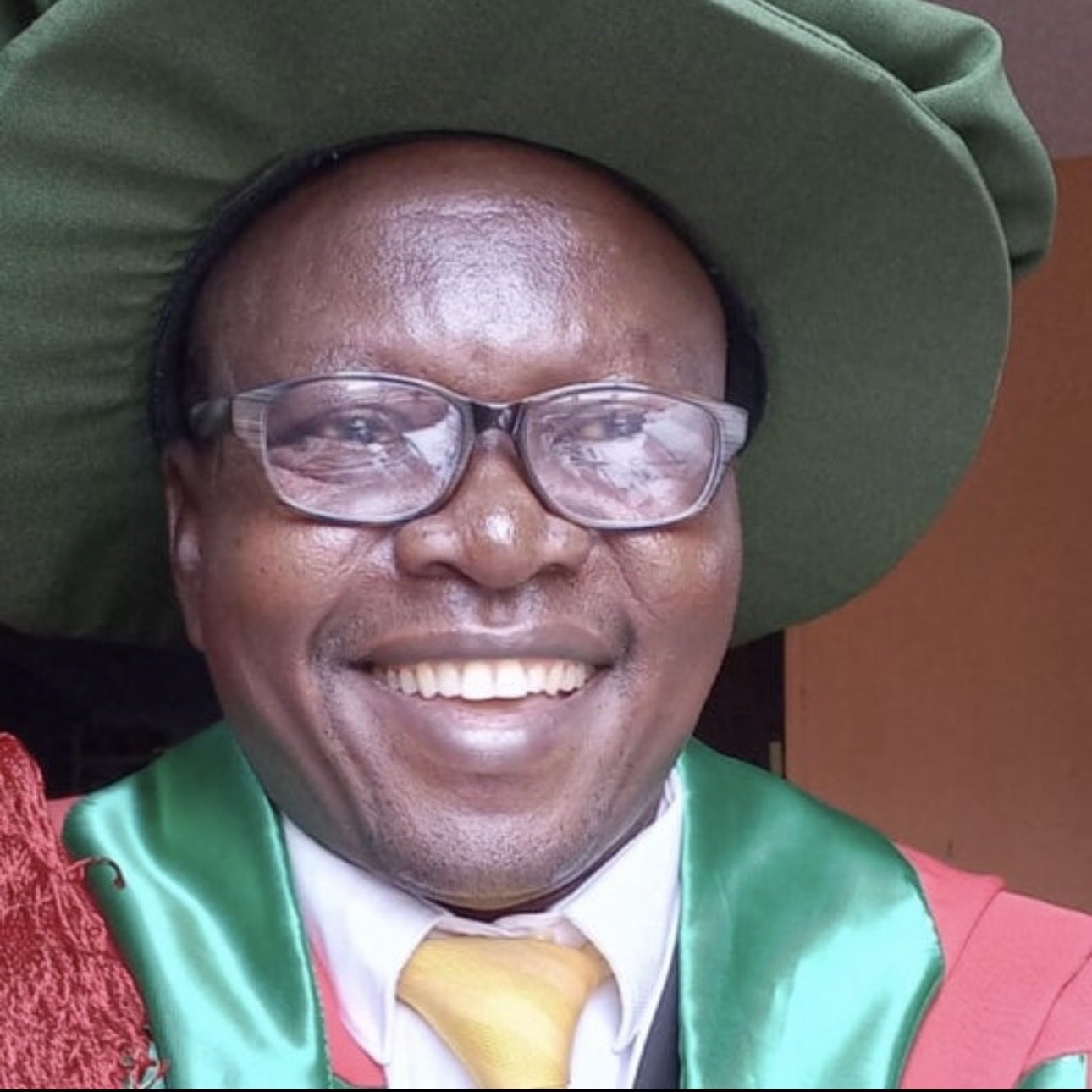
A lecturer in the Department of Mass Communication at Abia State University, Dr. KC Izuogo, has been suspended by Abia State government following allegations of extortion and unethical conduct levelled against him by some students. He was also discovered to be parading fake certificates.
The accusations, which surfaced on social media and student discussion platforms, claim that students offering the course “Introduction to Advertising” were allegedly compelled to purchase handouts and make unofficial payments in order to pass the course.
According to the allegations, students were reportedly asked to buy a handout for N5,000 and allegedly pressured to pay additional sums said to be linked to course grading and assessment.
Some students further claimed that failure to comply with the alleged demands could negatively affect their academic performance in the course.
The allegations have sparked reactions among students and members of the public, with many calling on the management of the university and relevant government authorities to investigate the claims thoroughly.
Critics say the accusations reflect broader concerns about corruption and unethical practices within parts of Nigeria’s higher education system, particularly allegations involving “sorting,” extortion and abuse of authority by some lecturers.
Several commentators also argued that such practices, if proven, contribute to declining educational standards and undermine public confidence in tertiary institutions.
The Abia State Government has officially announced his suspension.
Education stakeholders have repeatedly urged students facing intimidation, extortion or academic exploitation to make use of official complaint channels and provide credible evidence to enable proper investigation and disciplinary action where necessary.
Analysts note that allegations involving academic misconduct must be handled carefully and transparently to protect both the rights of accusers and the integrity of those accused until investigations are concluded.
Observers also stress the importance of due process in addressing complaints within academic institutions to ensure accountability and fairness for all parties involved.
The development comes amid increasing public conversations about reforms in Nigeria’s education sector and the need to strengthen institutional mechanisms for addressing corruption, exploitation and abuse within universities and other tertiary institutions.
Many Nigerians have continued to call for stronger oversight, whistleblower protections and disciplinary measures aimed at restoring confidence in the country’s higher education system.