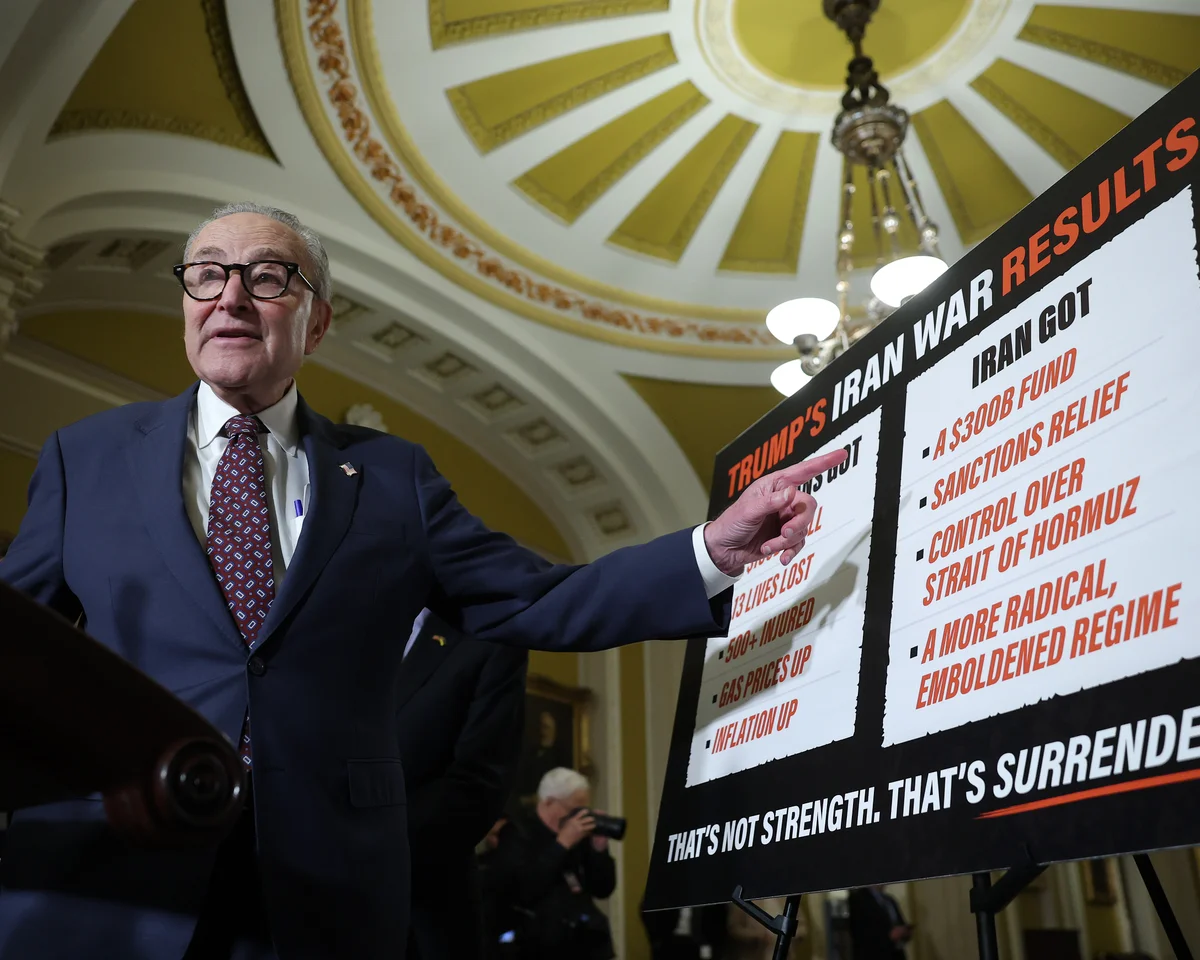
In a significant display of congressional pushback against executive military authority, the United States Senate on Tuesday adopted a concurrent resolution directing President Donald Trump to remove American military forces from the ongoing conflict involving Iran. The vote represents one of the strongest bipartisan challenges to the president’s war powers in recent years and signals growing concern within Congress over the scope of U.S. military involvement in the Middle East.
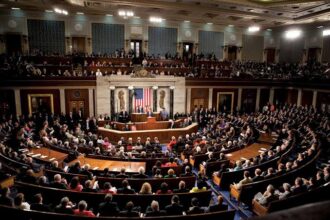
The resolution, passed on June 23 by a narrow vote of 50 to 48, reflects increasing efforts by lawmakers to reassert Congress’s constitutional authority over decisions relating to war and military engagement. Although the measure does not carry the force of law, supporters argue that it sends a powerful political message regarding congressional opposition to prolonged military action without explicit legislative approval.
The vote followed months of debate over the president’s authority to deploy and maintain military operations against Iran without a formal declaration of war or specific authorization from Congress. Since the beginning of the year, lawmakers have repeatedly introduced measures seeking to limit executive war-making powers, citing constitutional concerns and the need for greater congressional oversight.
Democrats have led most of these efforts, but support for restricting the president’s military authority has steadily gained traction among some Republicans. That gradual shift was reflected in Tuesday’s vote, which saw four Republican senators break ranks with their party to support the resolution.
Republican Senators Rand Paul of Kentucky, Susan Collins of Maine, Lisa Murkowski of Alaska, and Bill Cassidy of Louisiana joined Democratic lawmakers in voting in favor of the measure. Their support proved crucial in securing passage and underscored growing bipartisan unease about the administration’s handling of military operations involving Iran.
In contrast, Democratic Senator John Fetterman of Pennsylvania voted against the resolution, making him one of the few Democrats to oppose the effort. His vote highlighted the complex and sometimes unpredictable political alignments surrounding national security issues.
The final vote tally of 50-48 reflected a deeply divided Senate but nevertheless marked a notable setback for the White House. It also demonstrated that concerns over presidential war powers continue to resonate across party lines, particularly when military actions risk escalating into broader regional conflicts.
The Senate’s approval follows earlier action in the House of Representatives, where lawmakers passed a similar version of the resolution earlier this month. The House measure was approved by a vote of 215 to 208, with several Republicans joining Democrats in support.
However, because the legislation was introduced as a concurrent resolution rather than a traditional bill, it does not require presidential approval and cannot be vetoed by the White House. At the same time, it lacks the formal legal authority typically associated with enacted legislation, creating uncertainty about its practical impact on military operations.
Despite those limitations, supporters insist the measure carries substantial political weight. A Democratic aide involved in drafting the legislation argued that the resolution represents a clear expression of congressional intent and should be viewed as binding in a political and constitutional sense, even if questions about enforcement ultimately require judicial interpretation.
The debate surrounding the measure has reignited longstanding tensions between Congress and the executive branch over control of military policy. Under the U.S. Constitution, Congress holds the power to declare war, while the president serves as commander-in-chief of the armed forces. Over the decades, successive administrations from both parties have expanded presidential authority to conduct military operations without formal declarations of war, often citing national security concerns and emergency circumstances.
Critics argue that this trend has gradually weakened congressional oversight and allowed presidents to engage in military conflicts without sufficient legislative scrutiny. Supporters of the latest resolution contend that the Iran situation represents another example of executive overreach that requires correction.
Tuesday’s vote marked the tenth time this year that the Senate has considered an Iran-related war powers measure, underscoring the intensity of congressional concern over the issue. An earlier version of the resolution successfully cleared procedural hurdles last month, but Senate leaders delayed a final vote while working to secure enough support to ensure passage.
The eventual approval of the measure reflects weeks of negotiations and lobbying efforts by lawmakers who sought to build a bipartisan coalition around the principle of congressional authority over military engagement.
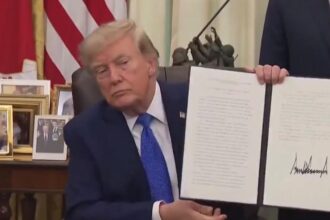
The issue has also generated significant political tensions between Congress and the White House. Following the House vote earlier this month, President Trump publicly criticized Republican lawmakers who supported the measure. Taking to social media, the president accused them of undermining national interests and characterized their actions as political grandstanding.
The criticism drew strong reactions from both supporters and opponents of the resolution. While administration allies argued that the president must retain flexibility to respond swiftly to threats, critics maintained that unchecked executive power poses risks to democratic accountability and constitutional governance.
Among the most prominent advocates of the measure has been Democratic Senator Tim Kaine of Virginia, a longtime supporter of efforts to restore congressional authority over military decisions. Kaine argued that the resolution is not merely about current operations involving Iran but about preserving the constitutional balance of power for future administrations as well.
According to Kaine, Congress has a responsibility to ensure that military conflicts cannot be initiated or expanded without direct legislative involvement. He emphasized that periods of relative calm provide an ideal opportunity for lawmakers to clarify the limits of executive authority before future crises emerge.
Supporters of the resolution also noted that ongoing diplomatic engagements with Tehran and signs of stabilization on the ground make this an appropriate moment for Congress to assert its constitutional role. They argue that reducing the risk of unauthorized military escalation could strengthen diplomatic efforts and encourage peaceful solutions to regional disputes.
Opponents, however, warned that the measure could send the wrong signal to adversaries and potentially constrain the president’s ability to respond to emerging threats. They contend that military commanders require flexibility in rapidly changing security environments and that congressional restrictions could complicate strategic decision-making.
Nevertheless, the passage of the resolution represents a significant symbolic victory for lawmakers seeking to reassert congressional influence over foreign policy and military affairs. It also highlights growing bipartisan concern about the concentration of war-making authority within the executive branch.
Although the practical implications of the measure remain uncertain, its political significance is undeniable. By approving the resolution, Congress has delivered a clear message that military action against Iran should not continue indefinitely without direct legislative oversight and approval.
As debates over executive power, national security, and constitutional authority continue, the Senate’s vote is likely to remain a focal point in broader discussions about the role of Congress in shaping American foreign policy and military engagement around the world.