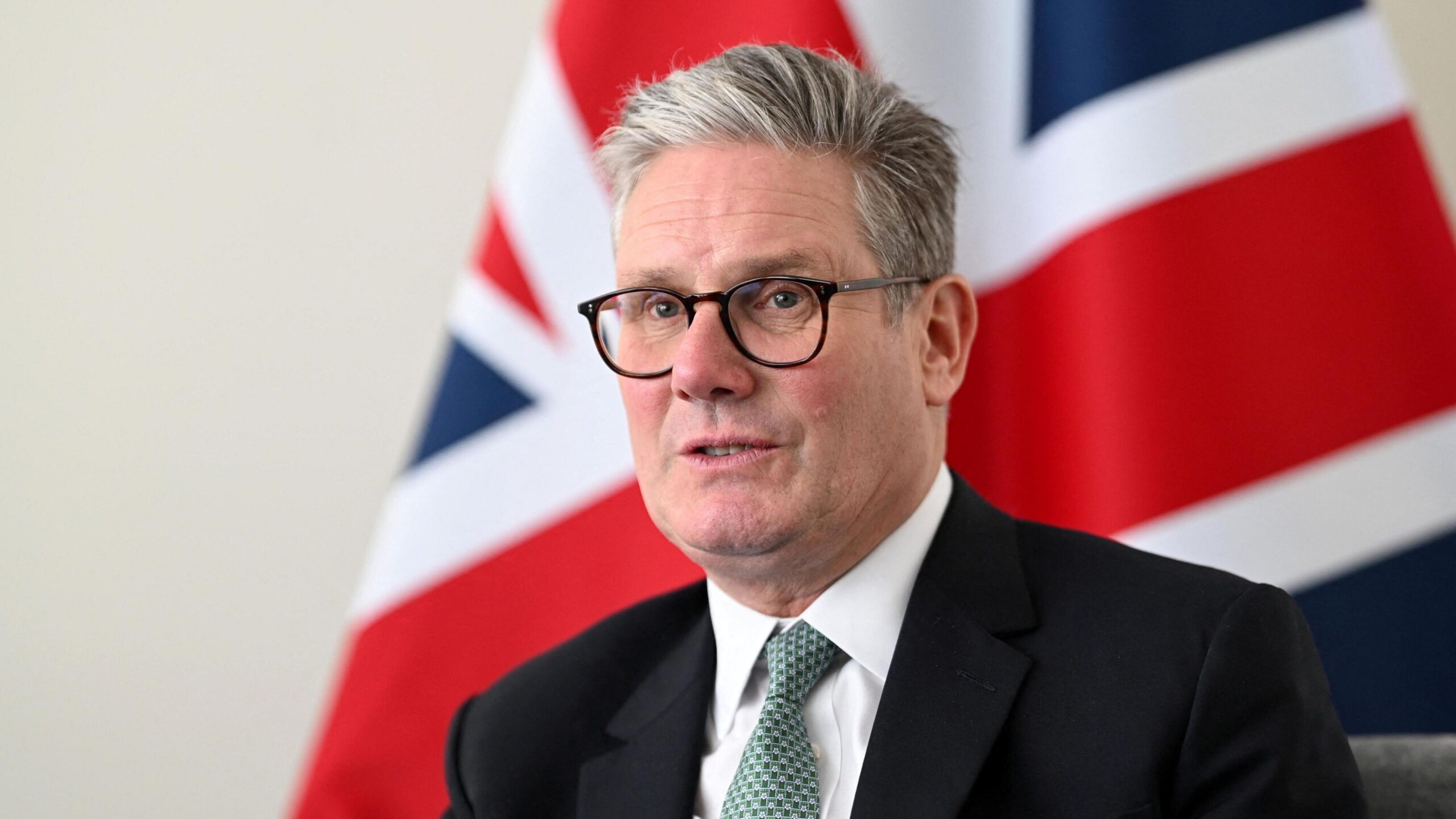
British Prime Minister Sir Keir Starmer has announced a timetable for his resignation, bringing an end to his premiership less than two years after leading the Labour Party to a landslide general election victory.
Starmer disclosed his decision on Monday following weeks of mounting pressure from within the Labour Party, where senior ministers, Members of Parliament and party officials had questioned his leadership in the wake of declining public support and disappointing electoral performances.
According to reports, the Prime Minister said he had reflected carefully on the political situation and concluded that stepping aside was in the best interest of both the Labour Party and the United Kingdom. He indicated that he would remain in office temporarily to ensure an orderly transition until a new Labour leader is elected and assumes office. (
Under the transition timetable, nominations for the Labour Party leadership are expected to begin in early July, while Starmer will continue serving as caretaker prime minister until his successor is formally chosen before Parliament reconvenes in September.
In his resignation remarks, Starmer acknowledged the confidence previously placed in him by the British electorate and Labour Party members, expressing gratitude for the opportunity to serve as Prime Minister.
He said he remained proud of his administration’s achievements and pledged to support a smooth transfer of power to the party’s next leader. According to reports, Starmer emphasized that his decision was guided by what he believed would best serve the country and the Labour Party at a challenging political moment.
The announcement follows months of political turbulence for the governing Labour Party, which has struggled with falling approval ratings, internal divisions and electoral setbacks in local government contests. The pressure intensified after the party recorded significant losses in recent local elections, prompting increasing calls from Labour lawmakers for a change in leadership.
Reports indicate that Starmer had initially resisted demands to resign, insisting he intended to continue implementing his government’s agenda. However, following consultations with close advisers, Cabinet colleagues and family members over the weekend, he reversed his position and opted to announce his departure.
Attention has now shifted to the race to succeed Starmer as Labour leader and Prime Minister. Greater Manchester Mayor Andy Burnham has emerged as the leading contender to take over the party’s leadership after securing strong backing from several Labour MPs and influential party figures. Political observers believe Burnham enters the contest as the favourite, although other senior Labour politicians could also declare their candidacies in the coming weeks.
Analysts say the leadership transition represents a significant moment for British politics, with the incoming leader expected to confront a range of domestic and economic challenges, including sluggish economic growth, pressure on public services, immigration policy, inflation and efforts to rebuild public confidence in government.
Despite the political uncertainty, financial markets reacted calmly to the announcement, with analysts suggesting investors are awaiting greater clarity on the policy direction of the next Labour administration.
Starmer’s resignation marks another chapter in the United Kingdom’s recent period of political instability, during which several prime ministers have left office before completing full parliamentary terms. His departure also triggers an important leadership contest that will determine the future direction of both the Labour Party and the British government.
The coming weeks are expected to be dominated by the Labour leadership election, with party members and lawmakers preparing to choose a successor who will lead the government into the next phase of its administration.