The escalating geopolitical tensions between Iran and the United States have entered a critical phase, following a stern ultimatum issued by Iran’s elite military force, the Islamic Revolutionary Guard Corps. The IRGC has given Washington a 30-day deadline to dismantle its naval blockade on Iranian ports, warning that failure to comply could force the United States into a stark choice between a costly military confrontation or accepting a diplomatic settlement on less favourable terms.
The warning reflects growing frustration within Iran’s military and political leadership over what it sees as continued economic strangulation and strategic pressure. By issuing a defined timeline, the IRGC has significantly raised the stakes, signaling that patience is wearing thin and that the current status quo may not be sustainable for much longer.
This development comes shortly after Tehran submitted a comprehensive 14-point proposal to Washington, outlining a roadmap aimed at resolving the ongoing crisis. The proposal addresses several core issues that have fueled tensions between the two countries, including demands for guarantees of non-aggression, the removal of restrictions on maritime routes, and a halt to hostilities across multiple regions, notably including Lebanon, where broader regional dynamics remain closely tied to the conflict.
Iran’s Foreign Ministry spokesperson, Esmaeil Baghaei, described the proposal as a serious attempt to achieve a comprehensive and lasting resolution, rather than a temporary cessation of hostilities. He stressed that Iran is seeking a durable framework that addresses the root causes of the crisis, rather than short-term ceasefires that merely postpone further conflict.
A central demand in the proposal is the lifting of U.S. naval restrictions in the strategically vital Strait of Hormuz, a narrow maritime corridor through which a significant portion of global oil supply transits. Iran has consistently argued that restrictions in this region not only undermine its economic interests but also threaten broader international trade flows. Baghaei also called for confidence-building measures between both countries, aimed at reducing mistrust and preventing further escalation.
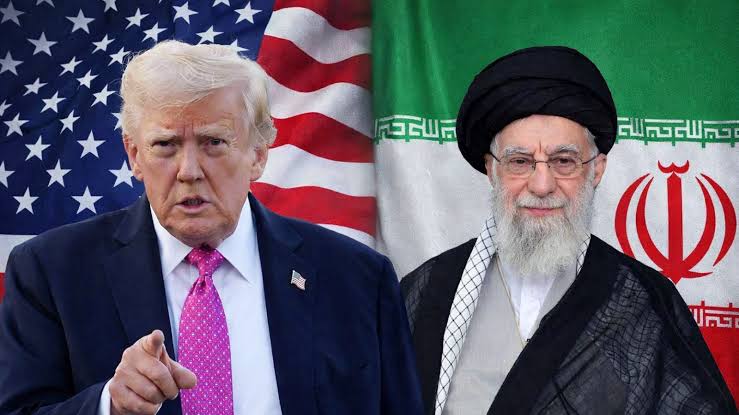
In response, U.S. President Donald Trump confirmed that the Iranian proposal is under consideration but expressed skepticism about the likelihood of reaching an agreement. His comments reflected ongoing uncertainty within the U.S. administration regarding Tehran’s intentions and the feasibility of reconciling key differences between the two sides. Notably, his remarks came just a day after he indicated dissatisfaction with an earlier diplomatic offer that had been transmitted through Pakistan, which has been acting as a mediator in the negotiations.
Reports from Tasnim News Agency indicate that Iran’s 14-point plan was crafted as a direct response to a nine-point proposal previously put forward by the United States. This exchange of proposals underscores the ongoing, albeit strained, diplomatic engagement between both nations, even as their positions remain significantly apart.
The latest proposal was reportedly delivered through Pakistani diplomatic channels, highlighting Islamabad’s continued role in facilitating dialogue between Tehran and Washington. Pakistan had earlier been instrumental in brokering a ceasefire agreement between the two sides, which took effect on April 8. While the ceasefire temporarily halted active hostilities, it has not translated into a comprehensive peace settlement, leaving critical issues unresolved.
Despite the relative calm brought about by the ceasefire, both countries have maintained firm stances on key points of contention. Iran has insisted on a complete lifting of sanctions and restrictions, along with an end to what it perceives as external aggression. On the other hand, the United States has maintained that any long-term agreement must include Iran relinquishing its control over the Strait of Hormuz and halting its uranium enrichment programme, which Washington views as a significant security concern.
The roots of the current crisis can be traced back to late February, when tensions escalated sharply following coordinated attacks by the United States and Israel on Iranian-linked targets. In retaliation, Iran moved to restrict access to the Strait of Hormuz, a decision that had immediate repercussions for global energy markets and maritime trade.
In response, Washington imposed naval restrictions on Iranian ports, effectively establishing a blockade that has remained in place despite the subsequent ceasefire. For Tehran, this continued blockade represents both an economic threat and a violation of the spirit of de-escalation, further complicating diplomatic efforts.
The IRGC’s ultimatum signals a shift toward a more assertive posture by Iran, suggesting that its leadership may be preparing for a range of scenarios, including the possibility of renewed confrontation. Analysts believe the 30-day deadline is designed not only to pressure the United States into accelerating negotiations but also to demonstrate Iran’s willingness to escalate if its demands are ignored.
At the same time, the situation carries significant global implications. The Strait of Hormuz remains one of the most critical chokepoints in the global energy supply chain, and any disruption could trigger widespread economic consequences. Oil markets have already reacted to rising tensions, with price fluctuations reflecting uncertainty about the stability of the region.
Diplomatic observers note that while both sides have shown some willingness to engage through mediated talks and proposal exchanges, the gap between their positions remains substantial. Key issues such as maritime control, nuclear development, and regional influence continue to hinder progress toward a mutually acceptable resolution.
As the 30-day ultimatum period begins, the international community is closely watching developments, with particular attention on how Washington will respond. The coming weeks are likely to be decisive in determining whether diplomacy can prevail or whether the situation will deteriorate into a broader conflict.
For now, the ceasefire remains in effect, but it is increasingly fragile. With both sides entrenched in their positions and the IRGC’s warning adding urgency to the situation, the path forward remains uncertain. The outcome of this high-stakes standoff will not only shape the future of relations between Iran and the United States but could also have far-reaching consequences for peace and stability across the Middle East.