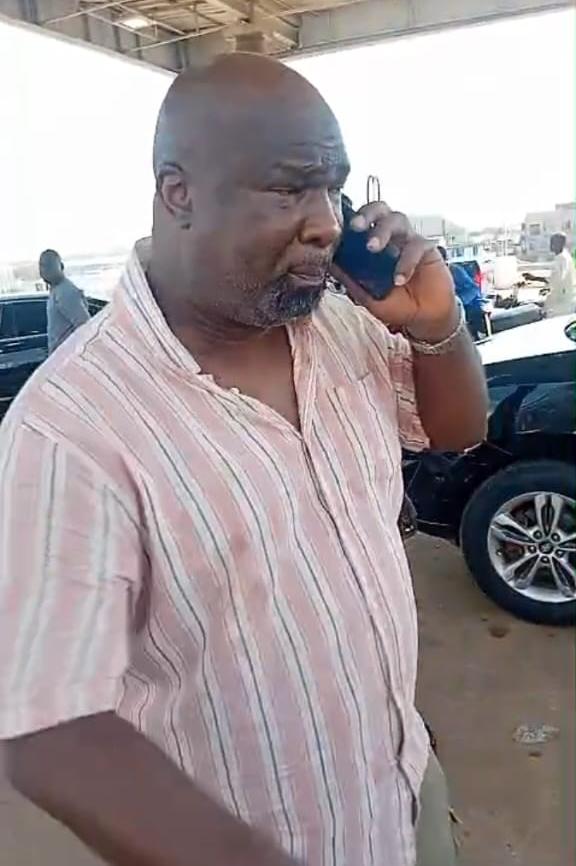
Tension flared over the weekend at a fuel outlet operated by the Nigerian National Petroleum Company Limited (NNPC) in Apo Resettlement, Federal Capital Territory, Abuja, following allegations by customers that the station had been dispensing less fuel than paid for despite charging as high as ₦1,364 per litre.
The incident, which occurred on Saturday, triggered anger among motorists and other fuel buyers who accused the government-owned oil company of shortchanging Nigerians at a time when the cost of petrol has already placed significant strain on households and businesses.
The situation came to light after a customer purchased what was supposed to be 10 litres of petrol but later discovered that the quantity dispensed was far below expectation. According to eyewitness accounts, the customer had brought a container to the station for measurement and, upon verification, found that the fuel was less than seven litres.
This discovery immediately sparked outrage, as the customer raised alarm and confronted the fuel attendant, accusing the station of manipulating its dispensing meter. His reaction quickly drew the attention of others in the queue, many of whom expressed shock and disbelief at the allegation.
Several customers reportedly began to question the integrity of the station’s operations, with some accusing the NNPC of exploiting Nigerians through what they described as illegal meter adjustments. The accusation was particularly sensitive given the organisation’s status as a government-owned entity expected to uphold transparency and fairness.
Eyewitnesses described the scene as chaotic, with tempers rising as the aggrieved customer demanded an immediate explanation and refund. At one point, the confrontation nearly escalated into a physical altercation between the customer and the fuel attendant, underscoring the level of frustration among consumers.
“He was very angry. He said he paid for 10 litres but got far less. When he checked the container and realised it wasn’t up to seven litres, he couldn’t believe it,” one witness recounted.
The situation was eventually brought under control after the station manager intervened. Following a brief exchange, the customer was refunded his money, which temporarily diffused the tension at the station.
However, the refund did little to calm the broader concerns raised by other customers, many of whom continued to express dissatisfaction and suspicion about the station’s operations. Some openly criticised the government, accusing it of failing to protect citizens from exploitation, even by its own agencies.
“It is painful that even at this high price, we are still being cheated,” another customer said. “If a government-owned station can do this, then what do we expect from private operators?”
Despite the controversy, business at the station did not come to a halt. Customers continued to purchase fuel, albeit with visible apprehension. Some were seen attempting to verify the quantities dispensed, while others simply expressed resignation, citing the lack of alternatives.
Analysts note that the incident highlights broader concerns about consumer protection in Nigeria’s downstream petroleum sector, particularly in the wake of deregulation and rising fuel prices. With petrol now selling at significantly higher rates, expectations around transparency and accountability have also increased.
The alleged manipulation of fuel meters, if confirmed, would constitute a serious violation of regulatory standards. Such practices not only undermine consumer trust but also raise questions about oversight and enforcement by relevant authorities.
In Nigeria, fuel dispensing accuracy is typically regulated to ensure that consumers receive the exact quantity they pay for. Any form of meter tampering is considered fraudulent and subject to penalties. However, incidents such as this suggest that enforcement gaps may still exist.
For many Nigerians, the issue goes beyond a single transaction. It reflects a deeper frustration with systemic challenges, including inflation, high energy costs, and perceived institutional failures.
The incident has also reignited calls for stricter monitoring of filling stations, particularly those operated by government entities. Stakeholders argue that such outlets should set the standard for compliance and transparency, rather than being implicated in allegations of malpractice.
As of the time of this report, there has been no official statement from the NNPC regarding the incident. It remains unclear whether an internal investigation has been initiated or whether any disciplinary action will be taken against the staff involved.
Consumers, however, are demanding accountability. Many have called on regulatory agencies to conduct spot checks and audits of fuel stations to ensure compliance with measurement standards and to prevent similar occurrences in the future.
The episode serves as a stark reminder of the fragile relationship between consumers and service providers in Nigeria’s energy sector. At a time when citizens are already grappling with economic hardship, allegations of exploitation—especially by a government-owned entity—are likely to deepen public distrust.
For now, the incident at Apo Resettlement stands as a flashpoint, highlighting the urgent need for transparency, effective regulation, and consumer protection in Nigeria’s fuel distribution system.