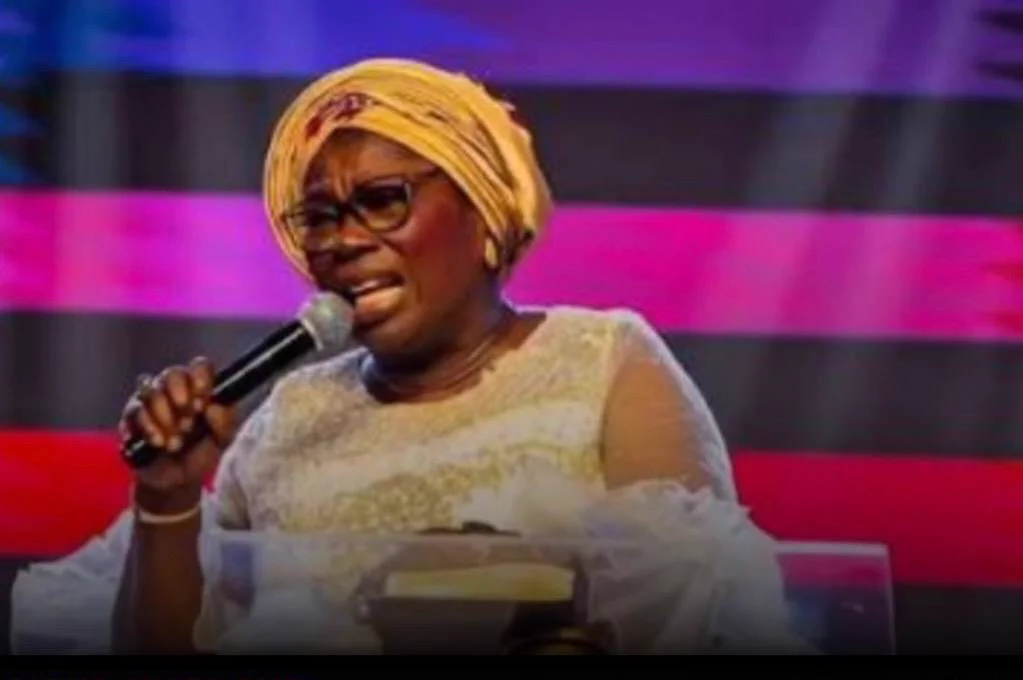
Pastor Mrs. Mary Abioye has advised married women with demanding careers, including those working in the banking sector, to make deliberate efforts to maintain their homes and nurture their marriages despite the pressures of their jobs.
The cleric made the remarks during a discussion in which a woman sought her opinion on whether it was appropriate for a married woman who works long hours in a bank to employ a house help to assist with cooking and other domestic responsibilities.
Responding to the question, Pastor Abioye emphasised the importance of prioritisation in marriage. She argued that while a woman’s career is important, it should not become a reason for neglecting her husband or allowing her relationship to suffer.
According to her, marriage requires conscious effort, attention and sacrifice, particularly when both partners have demanding professional responsibilities.
“You work in the bank, but you didn’t marry the bank,” she said, stressing that a woman should remember that her husband and family are also important parts of her life.
Pastor Abioye further suggested that working women could make use of their designated breaks to attend to certain responsibilities at home when circumstances permit. She gave the example of a woman who works in a bank and has a one-hour break during the workday.
She said such a woman could, if practical, use part of her break to return home, prepare a meal for her husband and make arrangements for him before going back to work.
“Everybody has one hour break in any establishment. You can rush home and say, let me prepare the food for my husband,” she said.
She explained that the gesture does not necessarily have to involve elaborate cooking. According to her, a woman could prepare a meal, set it on the table and leave a simple note for her husband expressing affection and reminding him to enjoy his meal.
“I work in the bank, I go back home, prepare his food and set it on the table for him and write a note by the side, ‘Enjoy your meal,’” she said.
Pastor Abioye added that she had personally engaged in similar gestures, saying that she sometimes makes arrangements for her husband even when she is unable to remain physically present at home.
She maintained that such acts are ways of demonstrating care and ensuring that one’s spouse does not feel neglected because of professional commitments.
The pastor, however, warned women against allowing demanding careers to completely overshadow their marriages. She noted that professional success could come with significant personal costs if individuals failed to maintain a healthy balance between work and family life.
“You can work in the bank and lose your home,” she cautioned.
Her comments also touched on the use of domestic helpers in married homes. While acknowledging the role that house helps can play in assisting busy families, Pastor Abioye expressed concern about situations where a domestic worker might take over responsibilities she believes should remain primarily associated with the wife.
She particularly objected to the idea of a house help becoming the person who consistently prepares and serves the husband’s meals while the wife becomes increasingly disconnected from domestic life.
“For you to tell yourself that house help will be serving your husband, then he has taken your place, oh,” she said.
She further warned women against becoming so dependent on domestic assistance that they lose personal involvement in their marriages and homes.
Pastor Abioye’s remarks have drawn attention to the continuing debate over how married couples should balance professional careers, domestic responsibilities and personal relationships. Modern households increasingly involve couples who work full-time, manage demanding businesses or pursue professional careers, making the sharing of household responsibilities an important issue.
While her advice places particular emphasis on the wife’s role in caring for her husband, many families today rely on cooperation between spouses, domestic workers and other support systems to manage work and family responsibilities.
The broader message from Pastor Abioye was that marriage should not be treated as an afterthought because of professional commitments. She encouraged women to remain intentional about showing love, attention and care to their spouses, even when their jobs are demanding.
Her comments ultimately underscore the importance of communication and deliberate effort in sustaining marriage. For couples navigating demanding careers, the challenge is often finding a practical balance that allows both partners to pursue their professional goals while also contributing meaningfully to the wellbeing of their families.
For Pastor Abioye, the key concern is that career demands should not completely displace marital responsibilities. She therefore urged married women to remain conscious of their priorities and to make time for their spouses, arguing that professional achievement should not come at the expense of a stable and cherished home.