Former Vice President Atiku Abubakar has cautioned supporters of opposition leaders to refrain from trading insults and engaging in online attacks, warning that such internal divisions only serve the interests of the ruling All Progressives Congress APC.
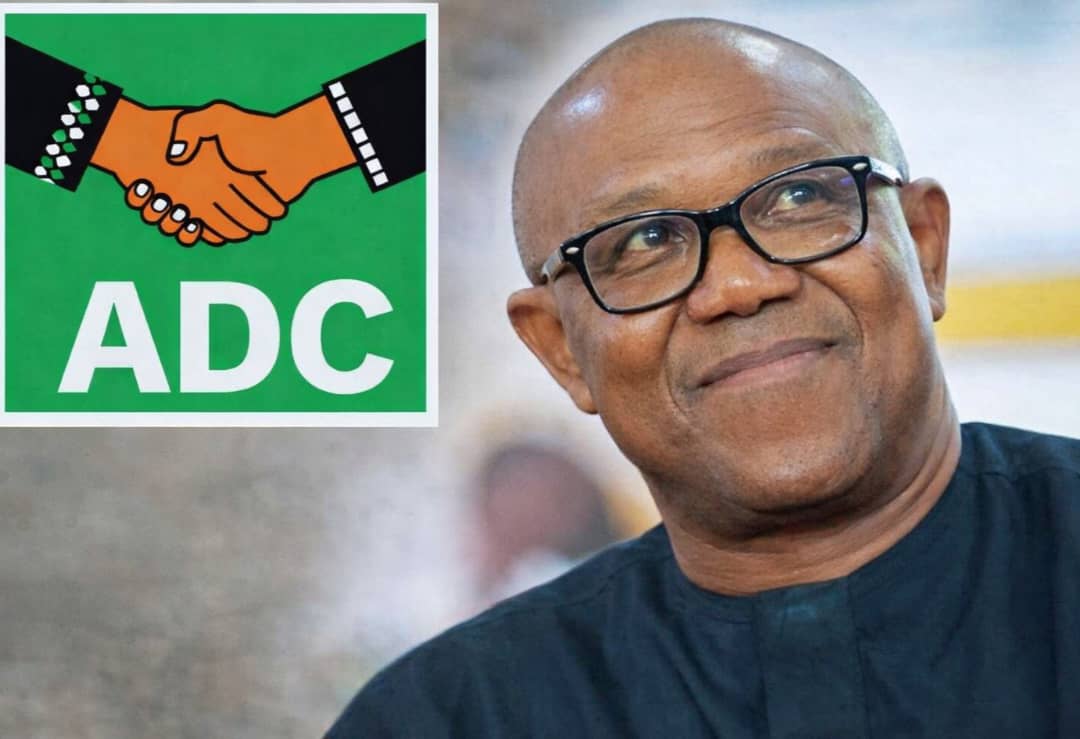
In a statement shared on his official X account on Tuesday, Atiku said personal attacks directed at himself or at former Anambra State Governor and ex presidential candidate Peter Obi undermine the collective objectives of the opposition coalition and ultimately harm the Nigerian electorate. Both leaders are key figures within the African Democratic Congress ADC led coalition which is positioning itself as a formidable alternative to the APC ahead of the 2027 general election.
Atiku described the growing hostility among supporters of opposition figures as a damaging “civil war” that weakens the coalition and strengthens what he termed the APC’s grip on power. He warned that the ruling party stands to gain the most from opposition infighting, as it diverts attention from governance failures and reform driven alternatives.
Related posts:
- Makinde Says Wike Pledged to Undermine PDP for Tinubu Ahead of 2027, Warns Against One Party Democracy
- INEC Engages PDP Leadership Over Internal Crisis Ahead of 2026 Elections
- Democracy Under Pressure: Threats to Nigeria’s 2027 Elections By Samson Itodo
- Peter Obi is the Only Life of ADC as PDP Loses Grip on Opposition Politics
“Anyone who insults Peter Obi or myself does not have the interests of the coalition the ADC or Nigerians at heart,” Atiku said. “The only people who benefit from such a civil war are the APC urban bandits who want to maintain the satanic status quo. We are better together.”
The former vice president’s comments were a direct response to a post by an X user Novie Everest who accused Atiku’s supporters of attacking Obi while expecting Atiku to be insulated from criticism. The post suggested a double standard in how supporters of both leaders engage in political discourse online.
“Atiku’s people want to insult Peter Obi without Atiku getting the heat back. Maybe they feel Atiku deserves respect and Peter Obi does not,” Everest wrote.
Atiku rejected this framing and stressed that neither leader benefits from such exchanges. He argued that supporters who engage in personal attacks against any opposition leader are inadvertently undermining the broader objective of building a united front capable of challenging the APC in 2027.
Political analysts say Atiku’s intervention reflects growing concern within opposition ranks over escalating tensions among grassroots supporters particularly on social media platforms. These tensions have been fuelled by unresolved debates over leadership structure candidate selection and strategic direction within the ADC coalition.
Atiku and Obi contested the 2023 presidential election under different party platforms but later became central figures in the ADC led opposition alliance. The coalition was formed to consolidate opposition strength and present a unified challenge to President Bola Ahmed Tinubu and the APC in the next general election.
However since the emergence of the ADC as a rallying platform supporters of both politicians have frequently clashed over who should emerge as the coalition’s presidential candidate and who should serve as running mate. These disagreements have often played out publicly with sharp exchanges and accusations undermining calls for unity.
Some supporters of Obi have openly resisted the idea of him playing a secondary role in any future ticket. In recent months there have been threats from sections of his support base to withdraw from the coalition should Obi agree to run as vice president rather than as the presidential flag bearer.
On the other hand Atiku’s supporters have argued that his experience national reach and prior runs for the presidency position him as a natural front runner. This rivalry has intensified speculation and anxiety within the coalition over how to manage ambition without fracturing the alliance.
Atiku’s latest statement appears aimed at de escalating these tensions and refocusing attention on the coalition’s shared objectives. He emphasised that opposition leaders and their supporters must recognise the larger political context and the stakes involved in the 2027 elections.
“The task before us is bigger than individual ambitions or personal loyalties,” a senior ADC official who spoke on condition of anonymity said. “What Atiku is saying is that if we destroy ourselves from within the APC does not need to do anything.”
The former vice president’s description of the APC as “urban bandits” intent on preserving a “satanic status quo” underscores the depth of opposition frustration with the ruling party’s record on governance economic management and national cohesion. Opposition leaders have consistently accused the APC led government of failing to address rising insecurity inflation unemployment and social discontent.
Within this context Atiku argued that unity among opposition supporters is not optional but essential. He stressed that differences in opinion over strategy or leadership should be managed through dialogue and internal mechanisms rather than public insults that weaken public confidence in the coalition.
Observers note that Atiku’s message also reflects an awareness of voter sentiment particularly among younger Nigerians who are increasingly disillusioned by political infighting. Analysts warn that prolonged internal conflict could erode the credibility of the ADC as a serious alternative and dampen enthusiasm among undecided voters.
Political commentator Sadiq Musa said Atiku’s intervention was timely. “Coalitions succeed or fail not just because of leaders but because of how their supporters behave. When supporters turn on each other it sends a message of instability and lack of readiness to govern,” he said.
Despite the tensions leaders within the ADC have repeatedly insisted that mechanisms are being developed to manage ambition and ensure a transparent candidate selection process. Party officials have said consultations are ongoing and that no final decisions have been made regarding the 2027 ticket.
Atiku’s call for restraint is therefore seen as part of a broader effort to buy time and create space for internal negotiations without external distractions. By urging supporters to stop trading insults he is seeking to lower the political temperature and preserve the fragile unity of the coalition.
As preparations for the 2027 elections gradually intensify the ability of the opposition to manage internal differences will likely be a key test of its viability. For now Atiku’s message is clear unity discipline and mutual respect among supporters are critical if the ADC hopes to mount a credible challenge to the APC and present itself as a government in waiting.