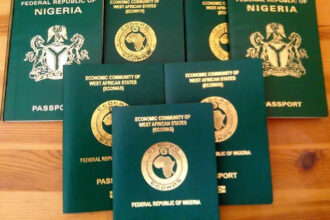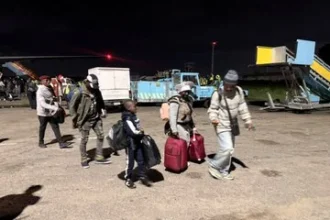
The report recorded 3,385 asylum applications from Nigerian nationals during the year, highlighting the continued presence of Nigerians among people seeking international protection in the European country.
According to the report, Italian authorities made 3,390 decisions on Nigerian asylum cases in 2025. Of these, 660 applicants were granted refugee status, while 55 received subsidiary protection. Another 460 Nigerians obtained special protection under Italian law.
In total, 1,175 Nigerians were granted one of these forms of protection, representing an approval rate of approximately 34.66 per cent. This was higher than Italy’s overall asylum approval rate of 30 per cent during the period.
The figures indicate that although thousands of Nigerian applications were rejected or remained unresolved, a proportion of applicants successfully secured legal protection under the country’s asylum framework.
Refugee status is generally granted to individuals who meet the legal criteria for protection from persecution, while subsidiary protection applies to people who may face serious harm if returned to their countries of origin. Special protection is a separate category available under Italian law, subject to applicable legal conditions.
The report also identified Nigeria as the only sub-Saharan African country among the 10 nationalities with the highest numbers of asylum applications in Italy in 2025.
At the national level, Italy received 126,635 first-time asylum applications during the year, representing a decline from the 151,120 recorded in 2024.
The decrease suggests that the number of people making initial applications for asylum in Italy fell during the period under review. However, the report’s figures also show that asylum authorities continued to process a substantial volume of applications from different nationalities.
Meanwhile, the report documented 16 unaccompanied Nigerian children among minors who applied for asylum in Italy during 2025.
Unaccompanied minors are children who arrive in a country without a parent or another legally responsible adult. Their cases can require additional safeguards because of their age and vulnerability, particularly in relation to accommodation, legal representation and access to appropriate support services.
The number of Nigerian children seeking asylum underscores the need for authorities to ensure that young applicants receive adequate protection and that their applications are assessed in accordance with relevant legal standards.
The 4,120 unresolved Nigerian cases at the end of 2025 also point to a significant backlog requiring further administrative attention. Pending applications do not necessarily indicate that applicants will be approved or rejected, as the final outcome depends on individual circumstances and the applicable legal criteria.
The figures provide an overview of the outcomes of Nigerian asylum applications in Italy, including successful protection claims, rejections and cases awaiting decisions.
They also highlight the importance of accurate information for Nigerians considering migration, particularly those who may be exploring international protection as a means of securing safety and legal residence abroad.