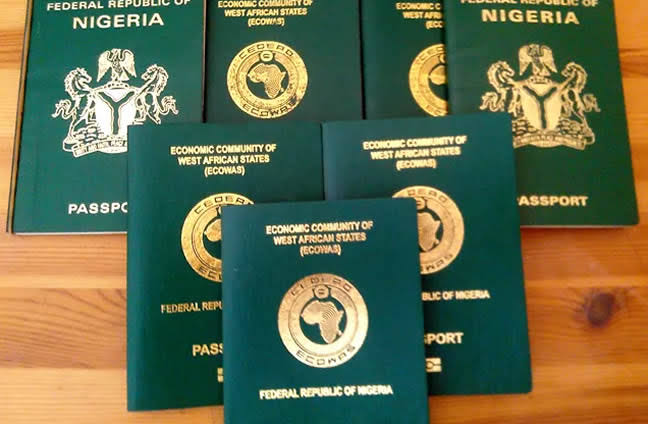
The reported decline represents a substantial reduction in international travel access for Nigerian passport holders, who now face additional entry requirements for several destinations that were previously considered more accessible.
According to the index, the reduction means Nigerian travellers have lost visa-free access to approximately 20 destinations, with some countries introducing or applying stricter visa requirements, electronic authorisations and other entry conditions.
Among the destinations affected are Burundi, the Comoro Islands, Djibouti, Madagascar, Mozambique, Seychelles, Tanzania and Uganda.
In Asia and the Pacific, the list includes Cambodia, Iran, Lebanon, the Maldives, Timor-Leste, Niue and Tuvalu. However, entry arrangements differ by destination, with some requiring visas before departure and others offering permits or visas on arrival subject to specific conditions.
The Seychelles, for instance, operates a visitor permit system on arrival rather than a conventional visa-free entry arrangement. Niue also requires travellers to comply with its applicable entry permit conditions.
Other destinations identified in the report have electronic travel authorisation requirements or additional clearance procedures. These include Kenya, which requires an electronic travel authorisation, and Suriname, where travellers may need to complete an electronic visa or entry-fee process.
Kiribati and the Cook Islands were also listed among destinations with additional entry arrangements.
The changes could mean higher travel costs, more paperwork and longer preparation times for Nigerians planning international trips for tourism, business, education or family visits.
Visa-free, visa-on-arrival and electronic visa access
Under the latest IziVisa figures cited in the report, Nigerian passport holders can enter 24 countries without obtaining a visa in advance.
They can also reportedly obtain visas on arrival in 16 countries, while 43 destinations are accessible through electronic visas.
These categories represent different levels of travel access. Visa-free entry generally allows eligible travellers to visit a destination without securing a visa before departure, although immigration officers may still require evidence of accommodation, sufficient funds, return tickets or other documents.
A visa on arrival allows travellers to apply for the relevant visa at an approved entry point, subject to the destination country’s conditions. An electronic visa, by contrast, usually requires an online application and approval before travel.
Electronic travel authorisations may also be mandatory even where a conventional visa is not required. Consequently, travellers should confirm the precise entry requirements of their destination before booking flights or departing Nigeria.
Difference between IziVisa and Henley rankings
The reported position differs considerably from Nigeria’s standing in the more widely recognised Henley Passport Index, which has placed the Nigerian passport around the 90th to 92nd positions in recent rankings, with access to approximately 44 or 45 destinations under its methodology.
The two indexes use different methodologies and may classify destinations differently, meaning their rankings and destination totals are not directly comparable.
Factors such as the treatment of visa-on-arrival arrangements, electronic travel authorisations and other entry requirements can affect how individual indexes calculate passport mobility.
The reported IziVisa ranking should therefore be understood within the methodology and destination classifications used by that index rather than treated as directly interchangeable with Henley’s figures.
Nevertheless, the figures attributed to IziVisa point to concerns about the international mobility of Nigerian travellers and the entry conditions they face when travelling abroad.
Implications for Nigerian travellers
Restrictions on passport mobility can affect Nigerians travelling for business meetings, academic conferences, tourism, employment opportunities and family engagements.
Additional visa requirements may increase travel expenses through application fees, documentation costs and, in some cases, the need to visit foreign diplomatic missions. Electronic application procedures can also create uncertainty for travellers who must obtain approval before departure.
For businesses, more complicated travel arrangements can make international partnerships and commercial engagements more difficult to organise. Students and researchers may also face additional administrative requirements when travelling for educational programmes and conferences.
However, a passport ranking alone does not establish the reasons for changes in a country’s entry policy. Visa access is determined by the individual destination’s immigration rules and may change because of bilateral agreements, security assessments, administrative decisions or other considerations.
Nigerian travellers are therefore advised to check official immigration websites and relevant diplomatic missions for the latest requirements before making travel arrangements.
While the IziVisa figures suggest a sharp decline in Nigeria’s passport standing, the difference between rankings underscores the importance of examining each index’s methodology and verifying individual destination requirements.
The broader issue remains the ability of Nigerian citizens to travel internationally with fewer administrative and financial barriers, particularly for legitimate business, education, tourism and family purposes.