A coalition of football supporters and stakeholders is set to stage a major protest in Nigeria’s Federal Capital Territory, Abuja, on Thursday, April 23, 2026, in what organisers describe as a decisive intervention aimed at overhauling the country’s football administration.
The demonstration is scheduled to take place at the Velodrome of the Moshood Abiola Stadium and is expected to attract participants from across the country, including fans, grassroots organisers, and concerned stakeholders within the football ecosystem. Organisers say the protest represents a coordinated effort to demand accountability, transparency, and structural reforms within the Nigeria Football Federation, the body responsible for managing the sport at the national level.
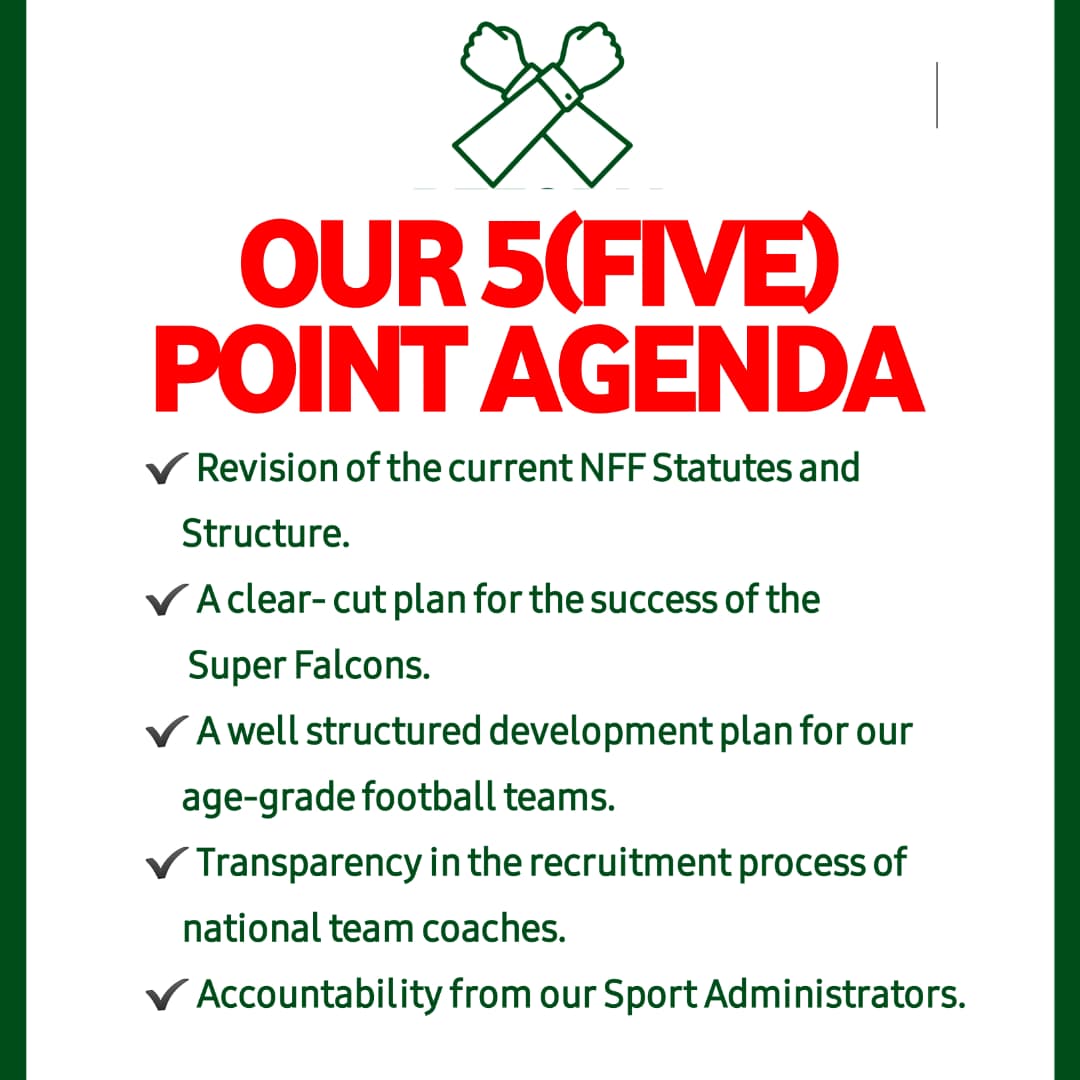
According to the organisers, the protest is not merely symbolic but is intended to trigger concrete changes in how Nigerian football is governed. Among their key demands is a comprehensive review of the NFF’s statutes and administrative framework, which they argue have become outdated and ineffective in addressing the current challenges facing the sport.
The coalition is also calling for the development of a clearly defined strategic plan for the women’s national team, the Super Falcons, whose recent treatment has drawn widespread criticism. Protest leaders insist that the team, despite its historic achievements, has not received the level of preparation and institutional support required to compete effectively on the international stage.
In addition, the group is advocating for a structured and sustainable development pathway for Nigeria’s age-grade teams, both male and female. They argue that the absence of a coherent developmental framework has contributed to declining performances at youth levels, undermining the country’s long-standing reputation as a powerhouse in global youth football.
Another major issue highlighted by the organisers is the recruitment process for national team coaches. The coalition is demanding greater transparency and professionalism in appointments, insisting that coaching roles should be filled through merit-based, open, and accountable procedures rather than opaque or politically influenced processes.
The planned protest follows an earlier announcement by the Reform Our Football Coalition, which had signalled its intention to embark on a nationwide mobilisation campaign beginning in Abuja. The group has cited what it describes as systemic failures within the federation, including maladministration, incompetence, and entrenched corruption.
In a statement signed by its spokesperson, Leo Olagbaye, the coalition expressed deep frustration with the current state of Nigerian football, warning that the sport is in decline despite its rich history and passionate fan base.
“We are at the tipping point. We are at the end of our patience, and we will no longer remain silent,” the statement declared, underscoring the urgency driving the planned demonstration.
Central to the group’s grievances is the recent performance of the men’s national team, the Super Eagles, which failed to qualify for the FIFA World Cup in consecutive editions. The coalition described this outcome as unacceptable for a country with Nigeria’s football pedigree, attributing it to poor planning and administrative shortcomings.
The concerns extend beyond the men’s team to the women’s game. The coalition accused the NFF of neglecting the Super Falcons, alleging that preparations for the upcoming Women’s Africa Cup of Nations (WAFCON) 2026 have been inadequate. The tournament is particularly significant, as it serves as a qualifying pathway for the FIFA Women’s World Cup.
According to the group, the perceived lack of preparation risks undermining the team’s chances of success, despite its track record of excellence. The Super Falcons are among the most decorated teams in African women’s football, having won multiple continental titles, including the 2024 WAFCON championship.
The coalition further alleged that players and officials associated with the women’s team are still owed outstanding bonuses and allowances, raising concerns about welfare and motivation. It also criticised what it described as the consistent underutilisation of international match windows, which are crucial for team preparation and competitive readiness.
Beyond the senior teams, the protest organisers highlighted the challenges facing Nigeria’s youth teams, particularly the Golden Eaglets. Once dominant on the global stage with a record number of FIFA U-17 World Cup titles, the team has struggled in recent years to progress beyond regional competitions organised by the West African Football Union.
The coalition attributed this decline to inadequate investment in grassroots development, poor planning, and a lack of strategic direction within the NFF. It warned that without urgent reforms, Nigeria risks losing its competitive edge in international football.
The protest organisers also took aim at the leadership of the federation, including the General Secretary, Mohammed Sanusi, accusing the administration of failing to address critical issues while maintaining a disconnect from the realities facing players and stakeholders.
They alleged that while players and officials grapple with unpaid allowances and insufficient support, those at the helm of the federation continue to operate without accountability. Such disparities, they argue, have eroded trust in the system and contributed to growing dissatisfaction among fans and stakeholders.
The planned demonstration is being framed as a turning point in the campaign to revive Nigerian football. Organisers say it represents a collective effort by fans and stakeholders to reclaim the sport and ensure that it is managed in a way that reflects national pride and global competitiveness.
Security agencies are expected to monitor the protest to ensure that it remains peaceful, while authorities have yet to issue an official response to the planned demonstration.
As anticipation builds, the protest underscores the deep emotional and cultural significance of football in Nigeria. For many, the sport is more than just entertainment—it is a symbol of national identity and unity.
Whether the demonstration will lead to meaningful reforms remains to be seen, but it has already succeeded in drawing attention to the structural challenges facing Nigerian football. For the organisers and participants, the message is clear: the time for change, they insist, is now.