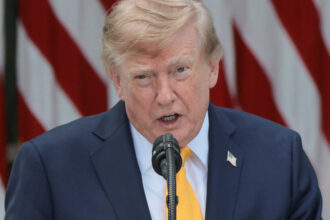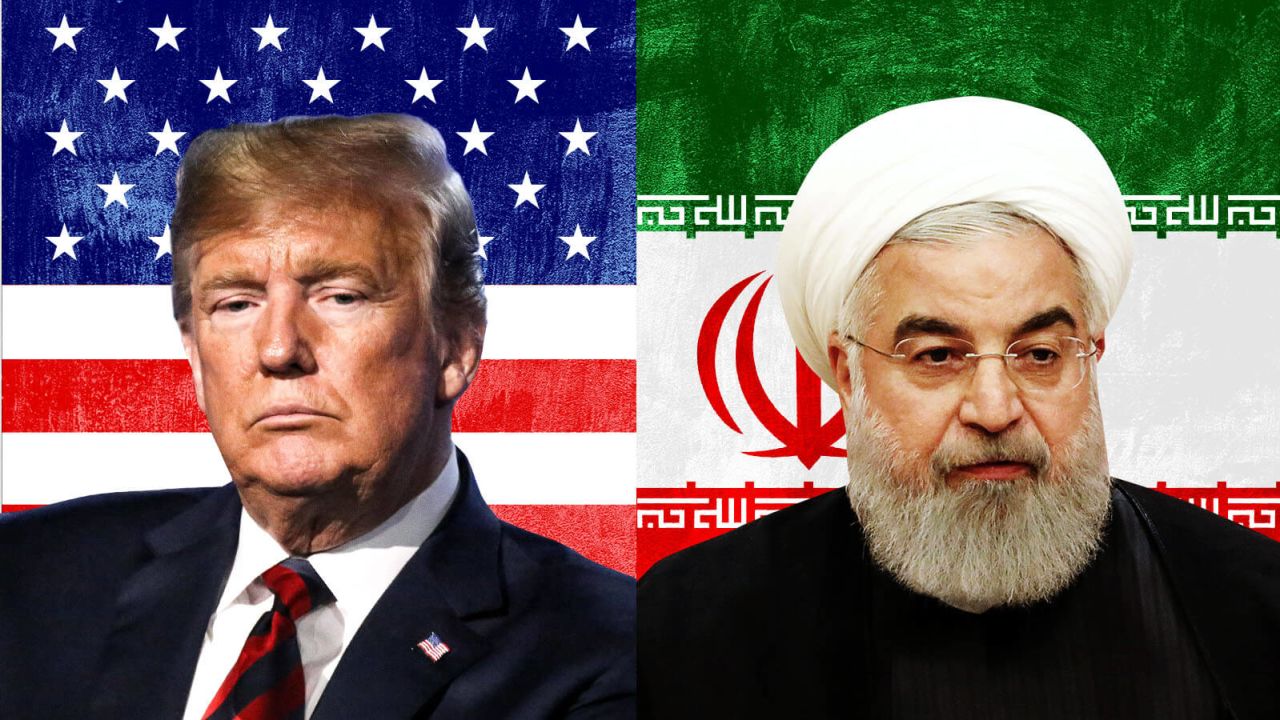
Amid a volatile and escalating standoff between Iran and the United States, Tehran has publicly rejected claims that it is holding negotiations with Washington — directly contradicting recent statements by U.S. President Donald Trump that talks have been “productive” and may be paving the way for an end to hostilities.
In the last 24 hours, Iranian officials and state-affiliated media outlets have issued clear and consistent denials that any diplomatic communication or negotiations with the United States are taking place. These denials come after President Trump announced that discussions had taken place with Iranian representatives, asserting there had been “very good and productive” conversations aimed at resolving the ongoing conflict and lifting some military pressure.
However, Tehran says otherwise.
According to reports, Iran’s foreign ministry and local news agencies stated categorically that there have been no negotiations — direct or indirect — with the United States. Tehran attributes President Trump’s public comments to U.S. strategic messaging, rather than an accurate reflection of diplomatic engagement.
Officials in Iran made it clear that despite Trump’s assertions, there has been no agreed-upon dialogue between the two capitals. State media suggested that Washington may be using talk of “productive conversations” as a means to calm volatile global markets — particularly energy prices — and to buy time for its own military planning.
The stark contrast between the U.S. and Iranian narratives has deepened existing confusion over the state of diplomacy in the region. While the White House has portrayed its approach as a mix of diplomatic pressure and military readiness — even delaying planned strikes on Iranian energy infrastructure to allow talks to continue — Tehran has insisted those talks do not actually exist.
At the core of this dispute is the ongoing conflict that erupted after U.S. and Israeli forces carried out strikes against key Iranian targets. Tensions have since spiralled, with Iran launching retaliatory operations that effectively disrupted global oil shipments through the strategically crucial Strait of Hormuz. Trump’s announcement of “productive conversations” came at a moment when he extended an ultimatum deadline and paused some planned military strikes, events that momentarily sent oil prices lower and lifted financial markets.
Yet, Tehran’s response rejects the idea that any meaningful dialogue — formal or informal — is underway. Iranian officials maintain that their positions remain unchanged: they are not negotiating under external pressure, and they are not engaging in discussions engineered by the U.S. president’s public announcements.
Iran’s repeated denials may also reflect internal dynamics. Hardline elements within the Iranian leadership — particularly those aligned with its supreme authority — have historically opposed negotiations with Washington without significant shifts in U.S. policy, especially on sanctions and military threats. These factions argue that engaging in diplomacy while under attack or facing coercive ultimatums would weaken Iran’s strategic position.
This pattern is consistent with previous phases of U.S.–Iran relations. Even during past efforts to negotiate over Iran’s nuclear program, Iranian leaders at times publicly rejected talk of dialogue while allowing indirect or mediated contacts to proceed behind the scenes.
For now, the public split in narratives underscores a broader diplomatic impasse. Washington’s leadership appears to be signaling a willingness to explore some form of negotiation — or at least to project that image — perhaps to influence global markets and reduce immediate tensions. Tehran, however, remains staunch in its public posture that no such negotiations are taking place.
The competing claims have left observers and analysts carefully parsing both sides for signs of genuine diplomacy — or strategic posturing. If talks were truly underway, international mediators such as Oman and Turkey might be expected to confirm third-party involvement; so far, none has publicly verified such a role.
As it stands, the situation remains fraught. The possibility of de-escalation hinges not only on diplomatic efforts but also on how both powers choose to manage their public messaging — and whether either side can trust the other enough to engage meaningfully. For now, Iran’s emphatic denial of negotiations with the United States has added a new layer of complexity to an already volatile standoff, leaving both regional actors and global markets watching closely for what comes next.