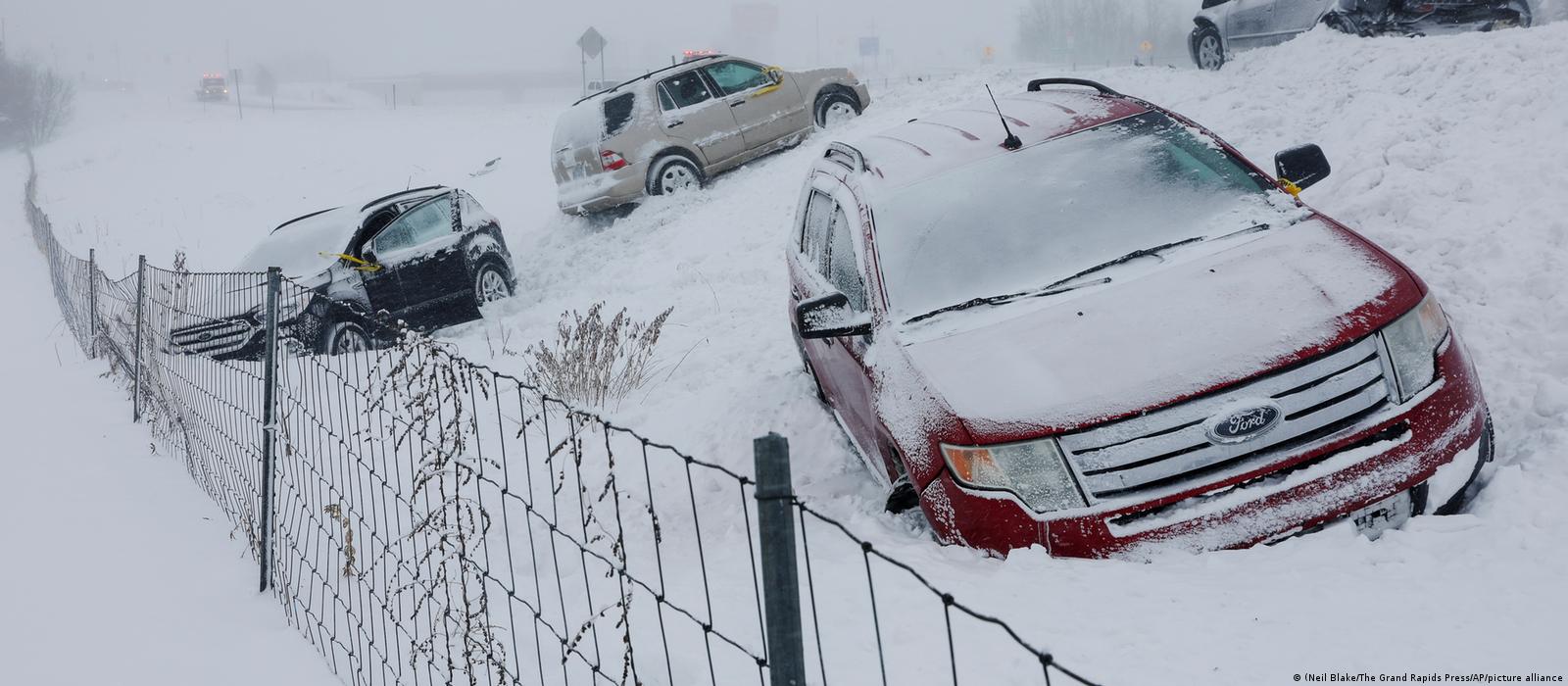
A powerful and expansive winter storm is sweeping across large swathes of the United States, placing more than 200 million people under varying levels of weather alerts as forecasters warn of heavy snowfall, crippling ice, dangerous travel conditions and record-breaking cold temperatures. Authorities say the storm system, one of the most far-reaching of the season, has the potential to disrupt daily life nationwide, strain power infrastructure and pose serious risks to public safety.
According to the National Weather Service (NWS), the storm is affecting multiple regions simultaneously, producing a complex mix of snow, sleet, freezing rain and extreme cold. Ice accumulation and sleet have already begun impacting the Southern Plains and the Lower Mississippi Valley, while heavy snowfall is spreading from the Southern Rockies and central Plains into the Mid-Atlantic and Northeast.
Meteorologists warn that the combination of snow and ice could make travel extremely hazardous or, in some areas, completely impassable. Roadways are expected to become slick and treacherous, while reduced visibility from blowing snow and gusty winds may further complicate conditions. State and local officials across affected regions are urging residents to stay off the roads unless travel is absolutely necessary.
Related posts:
- Hilda Baci Makes History Again With Third Guinness World Record for Jollof Rice Feat
- NUT Threatens Nationwide Strike as Terror Attacks on Schools Intensify in Kebbi and Niger
- U.S. Charges Six, Including Nigerian American, Over $41 Million Insider Trading and Stock Manipulation Scheme
- Tinubu Government Approves $9 Million Lobbying Deal With Republican Firm Amid Rising Tensions With Trump Administration
The storm has also begun to strain the nation’s power grid. As of Saturday, more than 84,000 electricity customers were without power across the country, according to data from PowerOutage.com. Texas has been the hardest hit so far, accounting for over 43,000 outages. Louisiana, Arkansas and California have also reported thousands of customers in the dark.
While not all power outages have been officially confirmed as storm-related, energy officials have repeatedly warned that heavy snow, ice accumulation and strong winds can damage power lines, topple trees and overwhelm aging infrastructure. Utility companies in several states have placed repair crews on high alert, warning that restoration efforts may be slowed by dangerous weather conditions.
In the Northeast, major metropolitan areas are bracing for significant snowfall that could disrupt travel, commerce and daily routines. Cities including Washington, DC, Philadelphia, New York and Boston are forecast to experience accumulating snow through the weekend and into early next week.
Weather models indicate that parts of New Jersey and southeastern New York, including New York City, could receive between 10 and 14 inches of snow from Sunday into Monday. Southern New England, including Boston and surrounding communities, may see even heavier totals, with snowfall potentially reaching up to 17 inches in some areas. Strong wind gusts accompanying the storm could create blizzard-like conditions at times, leading to drifting snow and near-zero visibility.
Transportation authorities across the Northeast have warned of widespread disruptions. Departments of transportation are pre-treating roads with salt and brine, while snowplows have been deployed in anticipation of heavy accumulations. Despite these preparations, officials caution that the intensity of the storm may overwhelm clearing efforts, particularly during peak snowfall periods.
Air travel is also expected to be heavily affected. Airport authorities across the eastern United States are warning of significant delays and cancellations through the weekend. Airlines have already begun issuing travel advisories, allowing passengers to rebook flights without penalty as the storm advances.
Beyond snow and ice, the most dangerous aspect of the storm may be the extreme cold following in its wake. Forecasters say temperatures are expected to plunge across much of the country, with wind chills reaching life-threatening levels in several regions.
In New England, wind chills could fall to as low as minus 26 degrees Celsius, while across the Northern Plains, wind chills are forecast to dip below minus 46 degrees Celsius. These temperatures could shatter long-standing cold records and pose serious risks of frostbite and hypothermia within minutes of exposure.
Freezing temperatures are also expected to spread across a wide swathe of the southeastern United States, a region less accustomed to prolonged cold. Officials are warning residents to take precautions to protect vulnerable populations, including the elderly, children and those without adequate heating.
At least 16 states have declared states of emergency as the storm continues to intensify. These declarations allow governors to mobilize additional resources, deploy National Guard units if necessary, and coordinate emergency response efforts across agencies.
Emergency management officials are urging residents to prepare for extended disruptions. Recommendations include stocking up on food, water and essential medications, charging mobile devices, checking heating systems, and ensuring that vehicles are winter-ready with full fuel tanks and emergency supplies.
Public safety officials have also warned about the dangers of carbon monoxide poisoning, urging residents to never use generators, grills or other fuel-burning devices indoors. With power outages possible, fire departments across affected states are reminding residents to exercise caution when using alternative heating sources.
Schools and government offices in several regions have already announced closures or delays, with more expected as the storm progresses. Businesses are also preparing for interruptions, particularly in areas expected to receive heavy snow or significant ice accumulation.
Meteorologists say the storm’s wide geographic reach makes it especially challenging, as different regions face different hazards at the same time. While some areas contend with heavy snow, others are dealing with ice storms that can be even more destructive, coating roads, trees and power lines with a layer of ice that adds weight and increases the risk of damage.
The National Weather Service has emphasized that conditions may change rapidly and has urged the public to stay informed through official forecasts, alerts and warnings. Residents are encouraged to monitor local weather updates and heed guidance from emergency officials.
As the storm continues its march across the country, authorities say preparedness and caution will be critical. With more than 200 million Americans potentially affected, the coming days are expected to test infrastructure, emergency response systems and individual resilience.
Forecasters caution that the full impact of the storm may not be known for several days, particularly as extreme cold lingers after the snow and ice subside. Until then, officials are urging the public to prioritize safety, limit travel and take all necessary precautions to weather what could be one of the most disruptive winter storms of the season.