Three Nigerian women have shared harrowing accounts of how they were allegedly deceived by a human trafficking syndicate with promises of legitimate employment in Malaysia, only to be transported across multiple borders and forced into prostitution in Mali under conditions of debt bondage.
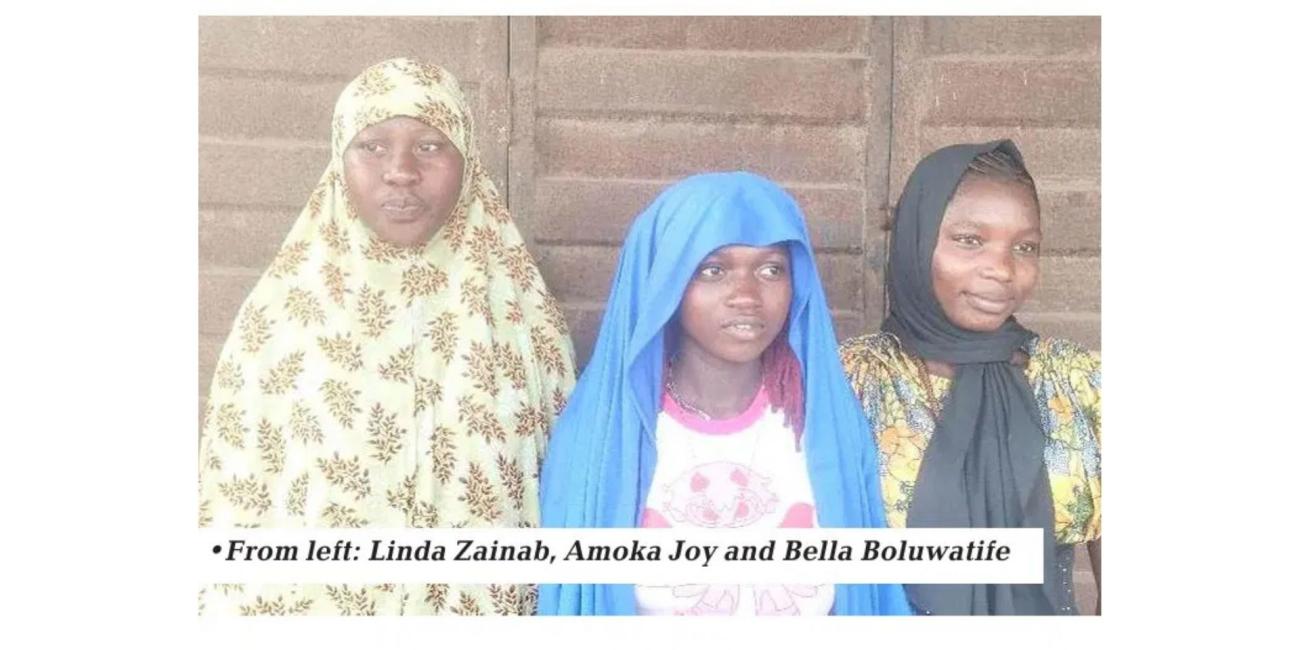
The survivors—Bella Boluwatife, Linda Zainab, and Amoke Joy—narrated their experiences, describing what they said was a well-organised trafficking network that exploited their vulnerability and desire for better opportunities abroad.
According to the victims, they were recruited by an agent identified as Peter Osas, who allegedly presented himself as a facilitator of overseas employment. He reportedly assured them of legitimate jobs as bar attendants and housekeepers in Malaysia, creating the impression of a structured and credible migration process.
Bella explained that the process began in Ogun State, where they were gathered and prepared for what they believed would be an international trip. However, instead of being flown to Asia, they were transported by road to the Seme Border, from where they crossed into the Benin Republic.
She recalled that prior to their departure, they were introduced via a video call to a woman identified only as “Angel,” whom they later understood to be the sponsor of their journey. According to Bella, they were coached to respond affirmatively to all questions during the call, suggesting that the process was carefully scripted to avoid suspicion.
The journey, she said, quickly turned into a distressing ordeal as they were moved further inland toward Mali. The trip reportedly lasted six days, involving multiple checkpoints and encounters with armed personnel.
“We travelled for days under tense conditions. At several checkpoints, we were questioned, but we could not respond because we did not understand the language. The driver spoke only French. At one point, we were almost detained until money was exchanged after a phone call,” Bella recounted.
She described the experience as dehumanising, noting that they were treated not as travellers but as commodities being transported across borders.
Upon arrival in Mali, the women said the true nature of the arrangement became clear. Instead of employment opportunities, they were taken to what they described as makeshift camps functioning as brothels.
Bella said the environment was shocking, with young girls—some allegedly as young as 13—present and dressed in revealing clothing. She stated that it was at that moment they realised they had been trafficked and were trapped in a system of exploitation.
According to her, they were immediately placed under debt bondage, with each woman told she owed 1.5 million CFA francs as the cost of their transportation and “processing.” They were informed that their freedom depended on repaying this amount.
“Every aspect of our lives had a cost—food, movement, even basic necessities. The debt kept increasing, making it almost impossible to escape,” she said.
Zainab corroborated the account, adding that their resistance to the forced conditions was met with intimidation and coercion. She said they initially refused to engage in sex work but were told there were no alternatives.
“Our phones were taken from us, and we were separated. Each of us was assigned to a different handler. We were completely cut off from the outside world,” she said.
She further described the daily routine, stating that they were forced to attend to multiple clients under strict supervision, with all earnings collected by their handlers.
“Customers came every day—sometimes five or more. We had no control over anything. The money went directly to those in charge. It felt like there was no way out,” she added.
The turning point in their ordeal came when Joy managed to secretly contact her family in Nigeria. According to her, she was able to inform her mother about their situation, which eventually triggered intervention efforts.
Joy explained that increasing pressure from external sources, including authorities and diplomatic channels, began to unsettle those managing the operation.
“Our handlers became nervous. They started asking us to lie to our families, to say we were fine, but we refused. As pressure mounted, they had no choice but to release us,” she said.
The women were eventually able to return home, though the psychological and emotional impact of their experience remains significant.
Commenting on the case, Prosper K. A. Michael, founder of the Global Anti-Human Trafficking Organization, described the incident as indicative of a broader and deeply entrenched criminal network operating across West Africa.
He explained that human trafficking syndicates often rely on deception, exploiting individuals seeking economic opportunities abroad. These networks, he said, typically involve recruiters, transporters, and exploiters working in coordination across multiple countries.
“Human trafficking is a serious global crime against humanity. These networks are highly organised and use fraud, coercion, and manipulation to lure victims into exploitation,” he said.
Michael added that his organisation has been involved in rescue operations involving victims trafficked from Nigeria to countries such as Egypt, Libya, and Iraq, underscoring the transnational nature of the problem.
The accounts of Bella, Zainab, and Joy highlight the risks faced by individuals seeking opportunities abroad through informal channels. Experts warn that traffickers often exploit gaps in awareness, economic hardship, and weak border controls to carry out their operations.
Authorities and advocacy groups continue to call for increased public awareness, stronger law enforcement collaboration, and more robust victim support systems to combat the growing threat of human trafficking.
For the survivors, the experience serves as both a warning and a call to action. Their testimonies underscore the urgent need to dismantle trafficking networks and protect vulnerable individuals from falling prey to similar schemes.