Socio-accountability platform MoniTNG has raised concerns over the deteriorating condition of the only healthcare facility serving residents of Rafin Sanyi community in Suleja Local Government Area of Niger State, warning that the state of the facility could undermine access to safe and dignified medical care.
The organisation expressed its concern following a tracking exercise conducted to assess the condition of healthcare facilities across Suleja Local Government Area. During the exercise, MoniTNG visited the health facility serving residents of Rafin Sanyi and documented what it described as serious infrastructural and equipment challenges.
According to the organisation, more than 2,119 people depend on the facility for healthcare services. This, it said, makes the condition of the centre particularly troubling because residents have limited alternatives, especially when confronted with medical emergencies.
“More than 2,119 people depend on this facility. For a child with a high fever, a pregnant woman in labour, an elderly person needing treatment, or anyone facing a medical emergency, this is their only option,” MoniTNG stated.
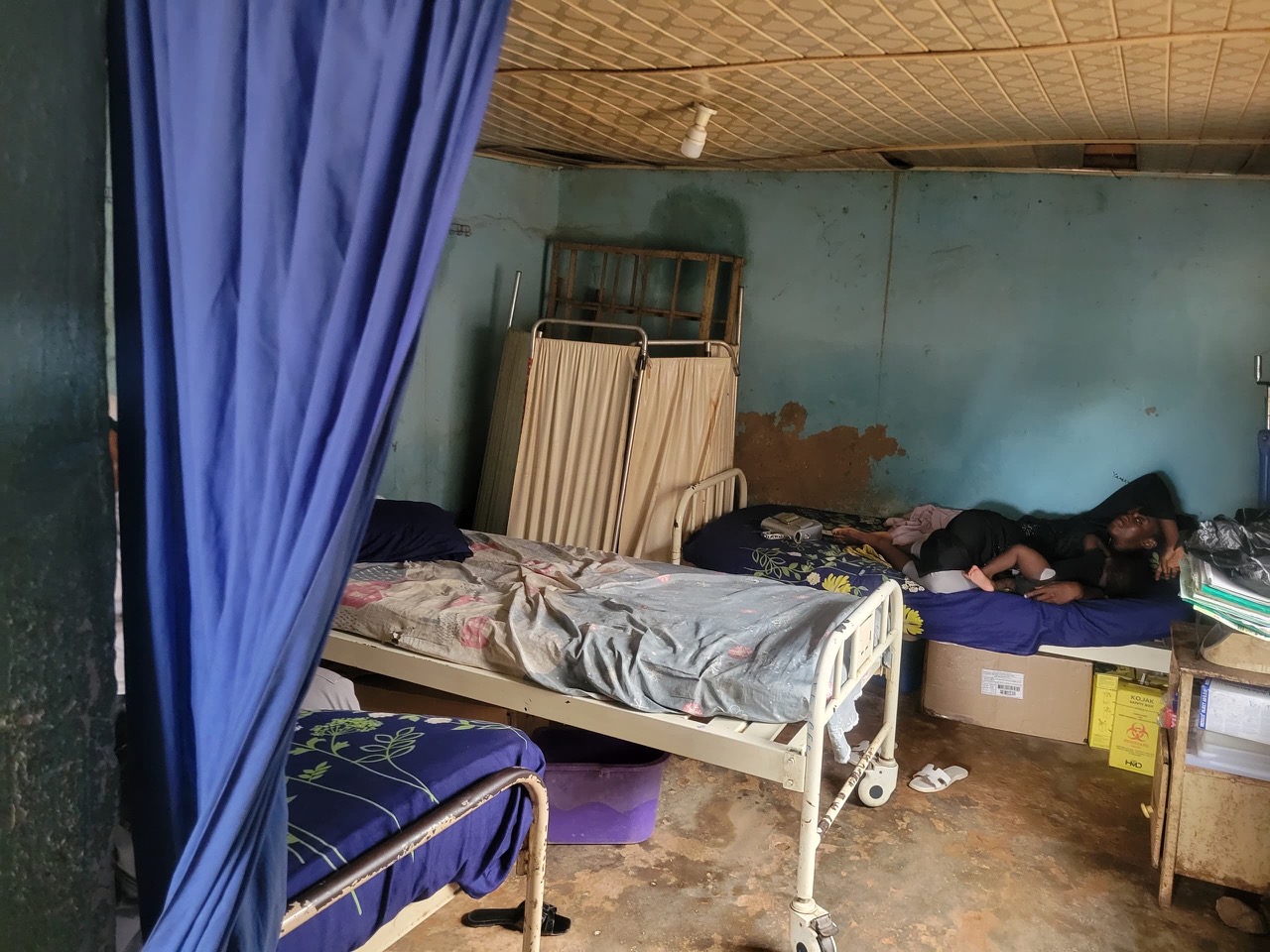
The organisation said its assessment revealed that patients were being treated in an environment characterised by inadequate furniture and deteriorating medical infrastructure.
Among the issues identified were the poor condition of the beds available at the facility. MoniTNG described the beds as old, rusted and worn out, while the mattresses were reportedly torn and badly flattened after years of use.
The platform expressed concern that there appeared to be little indication that the damaged furniture and equipment would be replaced soon.
“There is little or no replacement in sight,” the organisation stated, emphasising the need for urgent intervention to prevent the situation from further deteriorating.
Poor ventilation was also identified as another major challenge at the healthcare facility.
According to MoniTNG, patients and healthcare workers have to operate in poorly ventilated rooms characterised by trapped heat, while sections of the walls were reportedly peeling and stained.
“Patients and health workers have to cope with poorly ventilated rooms, trapped heat and walls that are peeling and stained. These are not conditions people should face when seeking healthcare,” the organisation said.
MoniTNG stressed that the challenges facing the Rafin Sanyi facility go beyond the physical appearance of the building. It noted that healthcare workers continue to report for duty and provide services to residents despite inadequate infrastructure and limited resources.
The organisation commended the commitment of health workers who continue to serve the community under difficult circumstances, but maintained that their efforts should be supported with functional infrastructure, appropriate equipment and a conducive working environment.
The visit to Rafin Sanyi was part of a broader monitoring exercise designed to examine the state of healthcare facilities across Suleja Local Government Area.
However, MoniTNG said the challenges discovered at the Rafin Sanyi facility were not unique to the community. According to the organisation, several other healthcare facilities visited during the exercise were also found to be dealing with neglected infrastructure and inadequate resources.
“Unfortunately, what we found is not an isolated case. Several facilities face similar problems, with neglected infrastructure and communities left to depend on facilities that are not fit to meet their healthcare needs,” MoniTNG stated.
The organisation’s findings have also raised questions about the effectiveness of healthcare spending and the extent to which government investments are translating into functional facilities at the grassroots level.
MoniTNG expressed concern that the problems persist despite billions of naira reportedly being allocated to healthcare by the Federal Government and the Niger State Government over the years.
It argued that the availability of budgetary allocations should ultimately translate into tangible improvements in healthcare infrastructure, equipment, staffing and service delivery, particularly at the primary healthcare level where many rural and underserved communities depend on basic medical services.
The organisation therefore called on the Niger State Government and the Federal Ministry of Health to urgently intervene in the situation at Rafin Sanyi and address the infrastructural deficiencies identified during the assessment.
MoniTNG said residents deserve access to a healthcare facility equipped with functional infrastructure, decent beds, proper ventilation and an environment that allows patients to receive treatment with dignity.
“They deserve a health facility with functioning infrastructure, decent beds, proper ventilation and an environment where patients can receive care with dignity,” it stated.
The organisation further argued that access to quality healthcare should not be determined by the level of neglect endured by a community.
“Healthcare should not depend on how much neglect a community can endure,” MoniTNG stated.
The concerns raised by the accountability platform have renewed attention on the importance of strengthening primary healthcare facilities across Nigeria, particularly those serving communities where residents have limited access to secondary and tertiary hospitals.
Primary healthcare centres often serve as the first point of contact between citizens and the health system. For communities such as Rafin Sanyi, the availability of a functional facility can make a significant difference in responding to emergencies, maternal and child health needs, routine illnesses and other basic medical requirements.
MoniTNG urged relevant authorities to take immediate steps to rehabilitate the Rafin Sanyi facility, replace damaged equipment and furniture, improve ventilation and ensure that healthcare workers have the resources required to provide effective services.
The platform also called for greater accountability in the management of public healthcare funds, insisting that government investments should produce measurable improvements in facilities and services.
It subsequently drew the attention of relevant officials and the Federal Ministry of Health to the situation and called for urgent action under its #FixOurPHCs campaign.
For the residents of Rafin Sanyi, the organisation said, fixing the healthcare facility is not simply an infrastructural issue but a matter directly connected to their safety, dignity and right to accessible healthcare.
The appeal is therefore for authorities to move beyond promises and allocations and ensure that resources reach the communities where they are most urgently needed.