In a report directed at the Minister of State for Health and Social Welfare, Muhammad Pate, the organisation said thousands of PHCs remain poorly equipped or partly functional despite substantial government funding and ongoing revitalisation programmes.
Nigeria has more than 30,000 PHCs serving millions of people, particularly residents of rural and underserved communities. However, MonITNG noted that many facilities still lack essential medicines, functional medical equipment, reliable electricity, potable water and qualified healthcare personnel.
The Federal Government has announced plans to revitalise 4,434 PHCs across the country. According to the figures cited by MonITNG, 3,526 facilities have reportedly been renovated, commissioned and handed over, while work is ongoing at another 908.
The broader target is to establish at least one functional PHC in each of approximately 17,600 wards by 2027.
However, the organisation questioned the actual impact of the programme, citing monitoring findings which indicate that only about 53 per cent of assessed facilities meet Level 1 or Level 2 standards.
It argued that increased patient visits and official commissioning ceremonies cannot be considered evidence of improved healthcare delivery when facilities lack the basic resources required to provide safe and effective treatment.
MonITNG also highlighted the scale of public funding allocated to primary healthcare. It said the Federal Government disbursed ₦249.6 billion through the Basic Health Care Provision Fund (BHCPF) during the first three years of the current administration.
The amount represents 77.1 per cent of the ₦323.6 billion reportedly disbursed through the fund since its establishment in 2019. An additional ₦40.76 billion has also been approved.
Against this financial commitment, the organisation called on the Federal Government to explain what the funding has achieved and why many communities continue to lack access to basic healthcare services.
To illustrate the reported gap between official figures and conditions on the ground, MonITNG cited findings from its community monitoring exercises in three states.
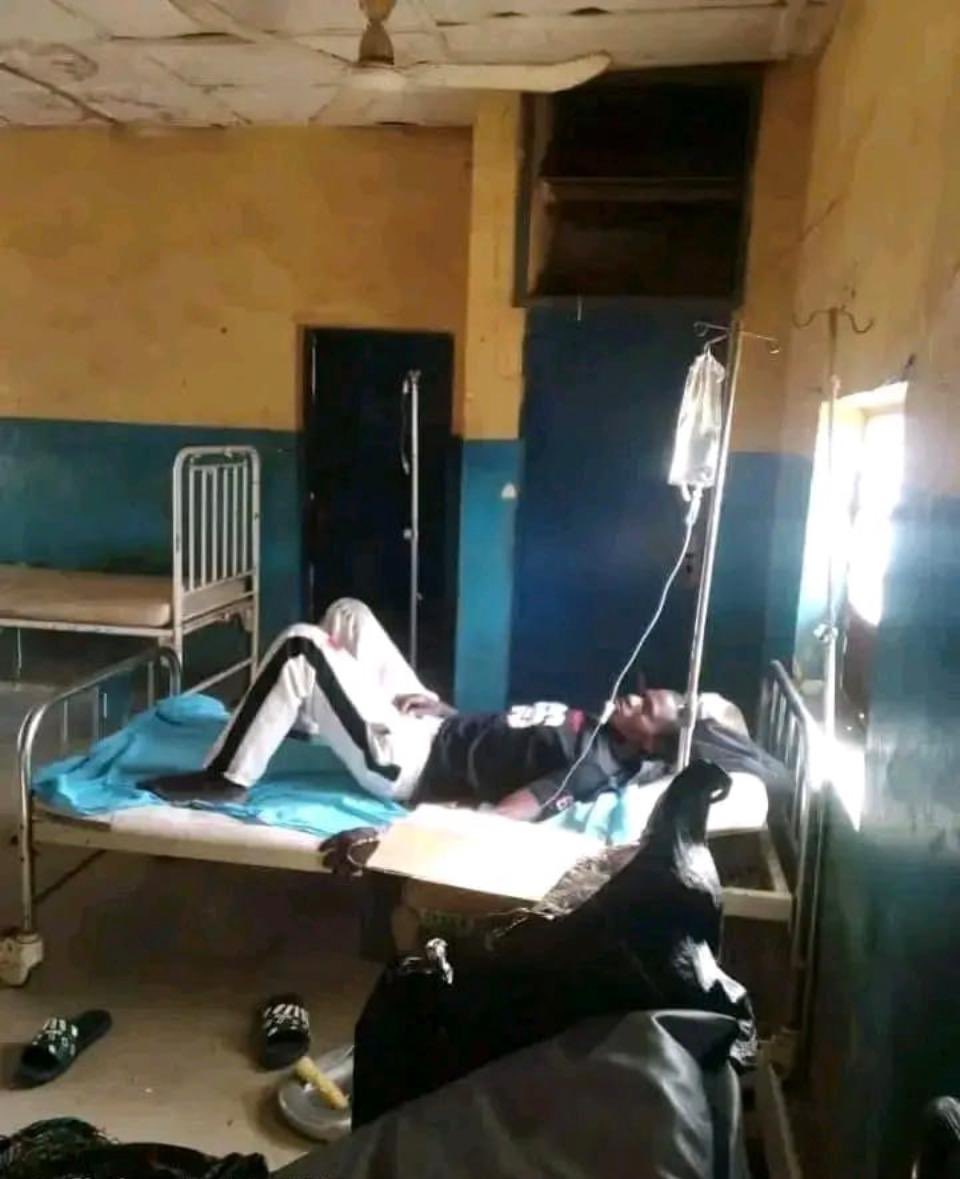
In Sabon Gida, Fadan Karshi Ward, Sanga Local Government Area of Kaduna State, the organisation reported that the community’s only PHC has collapsing ceilings, cracked walls and inadequate medical supplies. It also alleged that the facility lacks essential drugs, functional equipment and sufficient staff, forcing pregnant women, children and elderly residents to travel long distances or seek alternative treatment.
Similarly, in Ebenta, Oju Local Government Area of Benue State, the organisation said the only healthcare facility serving more than 3,000 residents remains in deplorable condition despite its importance for maternal healthcare, childcare and routine medical treatment.
MonITNG also identified the Umunneato Ishi-Ogwa Health Centre in Mbaitoli Local Government Area of Imo State as another neglected facility, describing its surroundings as overgrown and unsafe.
The organisation called on relevant authorities to publish detailed, facility-level expenditure records, disclose the contractors responsible for rehabilitation projects and make information about payments and completed works accessible to the public.
It also demanded independent verification of completed projects and appropriate action against individuals found responsible for financial mismanagement or failure to deliver on contractual obligations.
MonITNG maintained that every ward should have a safe and functional PHC equipped with essential medicines, medical equipment, electricity, potable water and trained personnel.
It urged the Federal Government to move beyond announcements of financial allocations and demonstrate measurable improvements in healthcare delivery.
The organisation stressed that access to basic healthcare should not depend on residents’ income or geographical location, insisting that public funds committed to primary healthcare must translate into functioning facilities and better health outcomes for Nigerians.