The Lagos State Government has shut down a branch of Access Bank located on Land Bridge Avenue in Oniru, Victoria Island, following allegations of improper disposal of untreated human waste into public drainage systems. Authorities say the action led to offensive odours and contributed to environmental degradation in the area.
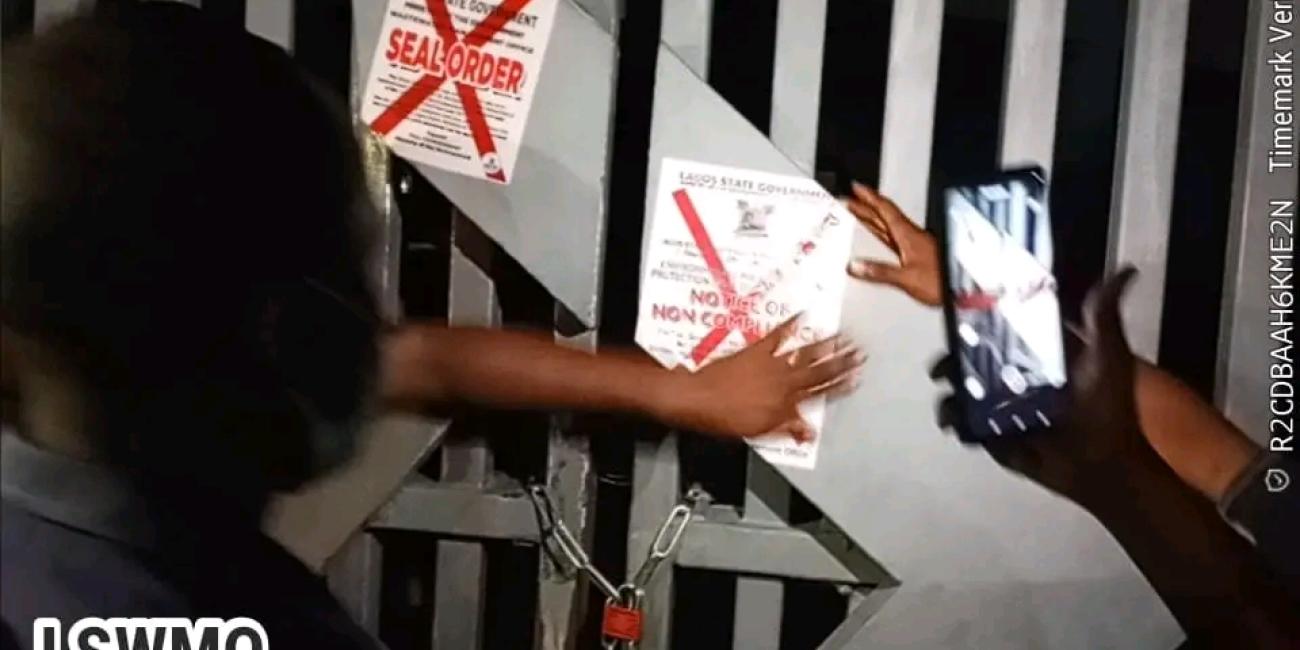
The enforcement operation was carried out on Wednesday night by officials of the Lagos State Wastewater Management Office during a coordinated inspection exercise aimed at identifying and addressing violations of environmental laws across the state.
The development was made public on Thursday by the Lagos State Commissioner for Environment and Water Resources, Tokunbo Wahab, who confirmed that the decision to seal the premises followed credible intelligence provided by a whistleblower.
According to Wahab, the tip-off prompted an immediate investigation, which revealed that the facility was allegedly discharging untreated faecal waste directly into public drainage channels. This practice, he noted, not only violates existing environmental regulations but also poses significant risks to public health and sanitation.
“Following a tip from a whistleblower, the Lagos State Wastewater Management Office carried out a joint enforcement operation and sealed off the premises after confirming indiscriminate discharge of raw faecal matter into the drainage system,” Wahab stated. He added that such actions contribute to foul smells, environmental pollution, and the deterioration of surrounding infrastructure.
Officials from the Wastewater Management Office reportedly conducted a thorough inspection of the bank’s premises before taking enforcement action. The findings confirmed that untreated sewage was being channelled into public drains rather than being properly managed through approved waste treatment systems.
The state government has indicated that the property will face sanctions in line with existing environmental laws. While specific penalties were not immediately disclosed, officials emphasized that enforcement measures would be applied strictly to ensure compliance and deter similar violations.
This incident is part of a broader crackdown by Lagos authorities on environmental infractions, particularly those involving improper sewage disposal. In recent months, the state has intensified monitoring and enforcement activities targeting residential buildings, commercial establishments, and institutions found to be flouting sanitation regulations.
Environmental experts have long warned about the dangers of discharging untreated waste into public drainage systems. Beyond the immediate discomfort caused by offensive odours, such practices can contaminate water sources, spread disease, and damage critical urban infrastructure. Blocked or polluted drainage channels also increase the risk of flooding, a persistent challenge in many parts of Lagos, especially during the rainy season.
Government officials say the increasing enforcement actions reflect a renewed commitment to maintaining environmental standards in a rapidly growing urban centre. With Lagos continuing to expand as a commercial hub, the pressure on its sanitation systems has intensified, making compliance with environmental regulations more critical than ever.
The role of whistleblowers in this case has also been highlighted as a key factor in ensuring accountability. Authorities have encouraged residents and stakeholders to report environmental violations, assuring the public that such information will be treated confidentially and acted upon promptly.
For businesses operating in the state, the message from regulators is clear: adherence to environmental laws is not optional. Corporate organisations, in particular, are expected to set high standards in waste management and environmental responsibility, given their visibility and impact on the communities in which they operate.
While the affected bank branch remains sealed, it is expected that further investigations may determine whether additional penalties or corrective measures will be imposed. The outcome of the case could also serve as a precedent for how similar violations are handled in the future.
The Lagos State Government has reiterated its commitment to protecting public health and preserving the environment. Officials stress that enforcement efforts will continue across all sectors, with zero tolerance for practices that endanger residents or compromise the city’s sanitation systems.
As the state pushes forward with its environmental agenda, incidents like this underscore the importance of compliance, vigilance, and collective responsibility in building a cleaner and more sustainable urban environment.