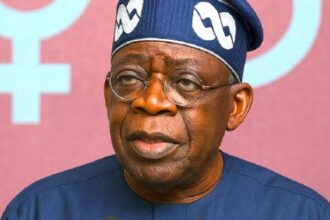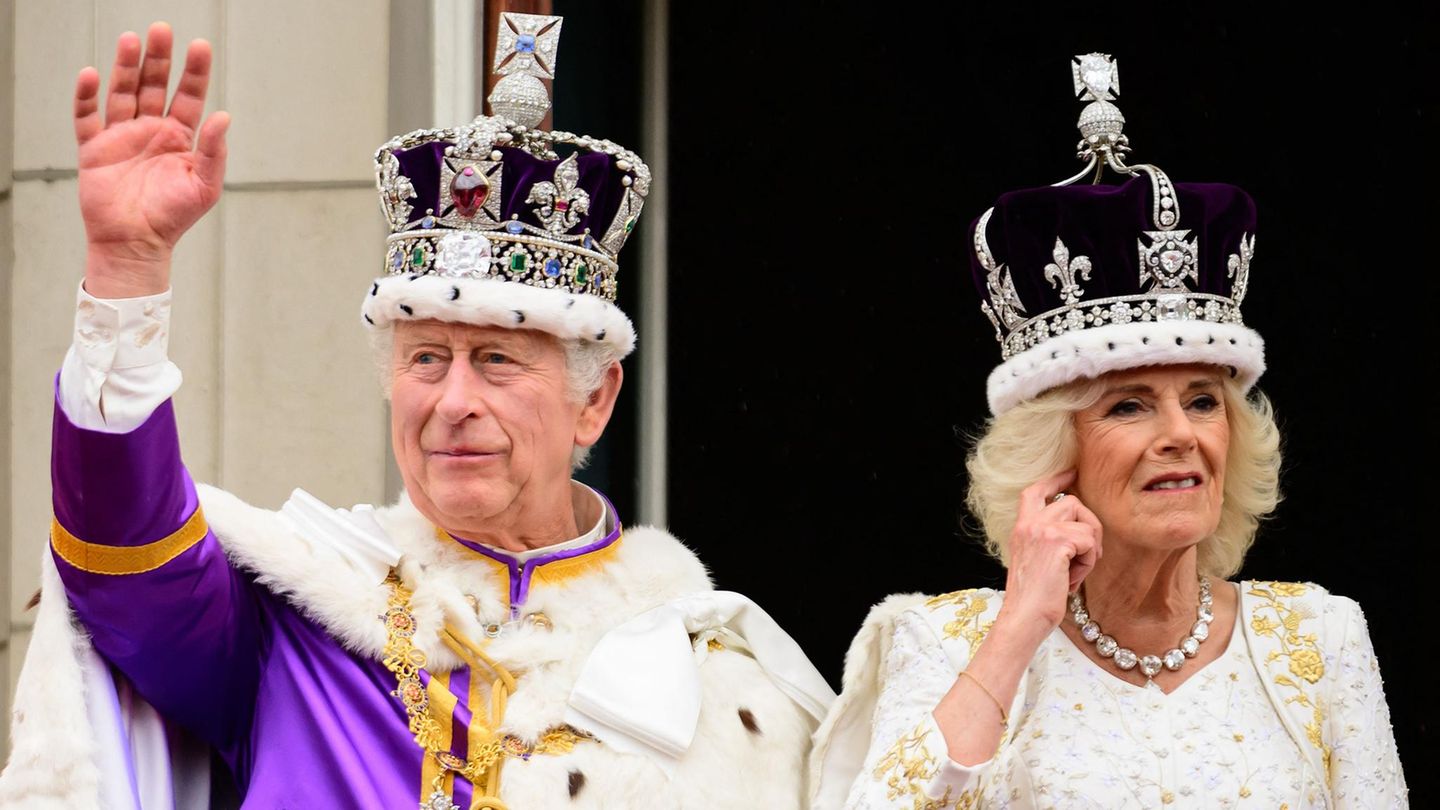
A Nigerian political scientist, Kio Amachree, has issued a strongly worded open letter to His Majesty King Charles III, calling for the immediate cancellation or postponement of any proposed state visit involving Nigeria’s President, Bola Ahmed Tinubu.
In the letter, Amachree appeals to the British monarch “with urgency, seriousness, and moral clarity,” arguing that such a visit would be diplomatically unwise, politically damaging, and morally troubling given Nigeria’s current internal challenges.
Amachree identifies himself as a Nigerian citizen whose family history is intertwined with the country’s constitutional and political development. He references his grandfather, Chief Sekin Amachree, described as a historic Kalabari leader whose legacy remains prominent in the Niger Delta and Nigeria’s early political evolution. He also cites his late father, Chief Godfrey Kio JaJa Amachree, QC, who served as Nigeria’s first Solicitor-General and Acting Attorney-General and later held office internationally as Africa’s first Under-Secretary-General.
The author further notes his educational background at Eton College between 1970 and 1975, highlighting longstanding personal and institutional ties to the United Kingdom. He references a close friendship with Sir Nicholas Coleridge, Provost of Eton College, whom he describes as well known within British establishment circles. According to Amachree, these connections underscore that his appeal is not made from the periphery but from within the shared historical and diplomatic relationship between Nigeria and the UK.
At the core of the letter is a direct request: that King Charles III cancel or postpone any state visit, formal invitation, or ceremonial reception for President Tinubu.
Amachree argues that Nigeria is presently experiencing profound instability, making such a visit strategically and symbolically inappropriate. He describes the country as “close to rupture,” citing ongoing security challenges including terrorism, insurgency, kidnappings, mass killings, banditry, and organised criminal violence. He also points to what he calls collapsing public confidence in democratic institutions, deepening economic hardship, high inflation, and escalating ethnic and regional tensions.
Under these conditions, he contends, a state visit would amount not to diplomacy but to denial of Nigeria’s internal crisis.
The letter further questions President Tinubu’s credibility and national standing. Amachree claims that many Nigerians do not view the president as a legitimate unifying figure and asserts that his administration is surrounded by significant controversy. He references long-standing allegations of corruption, unresolved questions about financial history and political funding, accusations of institutional capture, and doubts raised by critics concerning aspects of the president’s academic background and personal records.
According to Amachree, hosting Tinubu at the highest ceremonial level in the United Kingdom would be interpreted domestically as Britain conferring international legitimacy on a leader whose mandate and record remain contested by sections of the Nigerian public.
He characterizes such recognition as a “historic mistake.”
Turning to Nigeria’s democratic trajectory, Amachree warns that the country is approaching the 2027 election cycle amid widespread distrust and anxiety. He suggests that many citizens fear potential manipulation of the electoral process and further erosion of democratic norms. In this context, he argues, a state visit would send a troubling signal that Britain is indifferent to concerns about governance standards and electoral integrity in Nigeria.
He maintains that the symbolism of royal hospitality could be interpreted as tacit endorsement of alleged democratic backsliding.
Beyond political and strategic concerns, the letter also emphasizes what Amachree describes as the moral optics of a ceremonial visit. He highlights the economic hardships faced by millions of Nigerians, including rising food prices, unemployment, insecurity, and the psychological toll of routine violence and kidnappings.
In his view, images of President Tinubu attending formal banquets or state functions in London while many Nigerians struggle with poverty and insecurity would provoke public anger and deepen resentment. He suggests that such a spectacle would be perceived as detached from the realities confronting ordinary citizens.
Amachree also cautions against what he calls the risk of the British Crown being used for political messaging. While he does not elaborate in detail, he implies that high-level ceremonial engagements could be deployed domestically by the Nigerian government as evidence of international approval and diplomatic validation.
The letter frames the issue as one extending beyond bilateral relations to questions of moral responsibility and historical legacy. Amachree emphasizes the long and complex relationship between Nigeria and the United Kingdom, shaped by colonial history, constitutional development, education, and elite networks that span both countries.
He suggests that Britain must carefully weigh the broader implications of its diplomatic gestures, particularly when dealing with a nation facing significant internal strain.
Although state visits are typically conducted on the advice of the British government rather than at the sole discretion of the monarch, Amachree’s appeal is directed personally to King Charles III as head of state and symbolic figure of continuity in Britain’s constitutional system.
The open letter has entered public discourse at a time when Nigeria continues to grapple with security challenges and economic reforms under President Tinubu’s administration. Supporters of the government argue that difficult policy decisions are necessary to stabilize the economy and address structural weaknesses, while critics maintain that governance standards and living conditions have deteriorated.
Amachree’s intervention reflects the intensity of debate within sections of the Nigerian diaspora and political class regarding the country’s international image and diplomatic engagements.
As of the time of writing, there has been no official response from Buckingham Palace or the British government regarding the concerns raised in the letter.
Whether the appeal influences diplomatic planning remains to be seen. However, the letter underscores the sensitivity surrounding high-profile international engagements at a moment of domestic turbulence in Nigeria.
In framing his request as both strategic and moral, Amachree seeks to position the proposed state visit not merely as a ceremonial matter, but as a decision carrying significant symbolic weight for Nigeria’s political future and for the historical relationship between London and Abuja.
The broader question raised by his letter is how international partners should balance diplomatic protocol with perceptions of governance, legitimacy, and democratic accountability in nations confronting internal challenges.
For now, the open letter stands as a pointed appeal from a member of Nigeria’s political and intellectual elite, urging caution in the choreography of international statecraft.