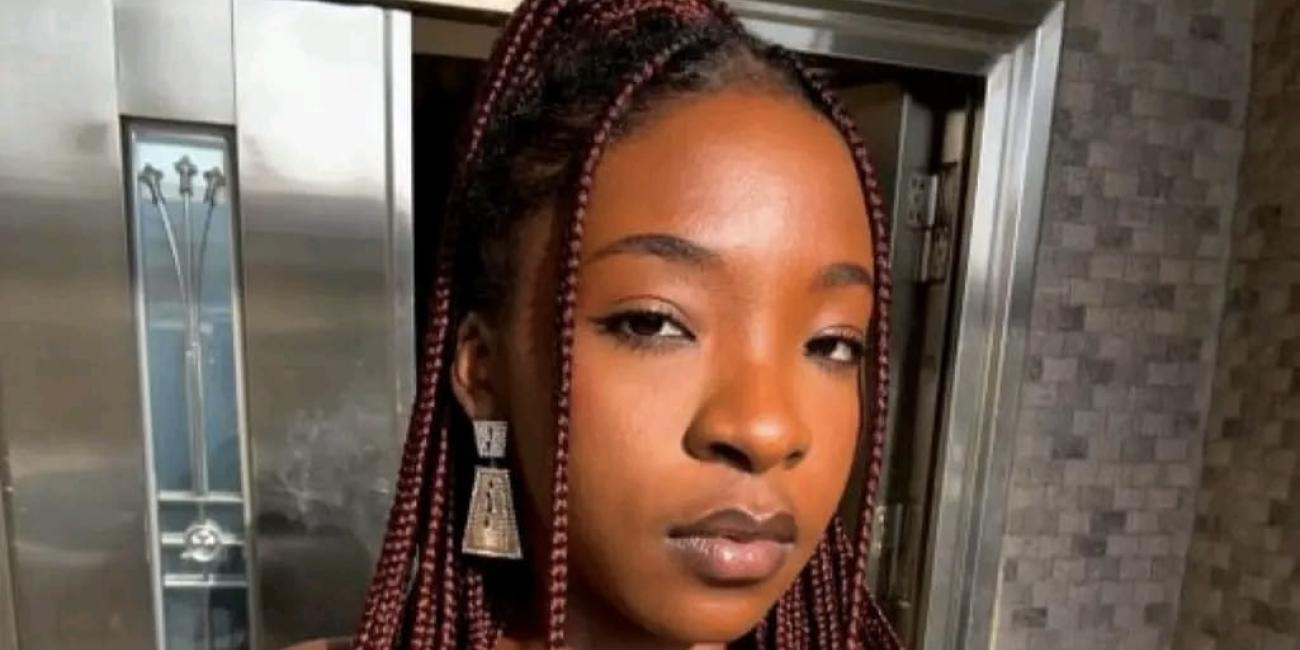
Ifunanya Nwangene, a 25-year-old Abuja-based classical, jazz, RnB, and soul singer popularly known by her stage name Nanyah, has reportedly died after sustaining a snake bite at her residence in the early hours of the morning, sparking grief in the music community and renewed concerns over Nigeria’s emergency healthcare capacity.
According to reports, the incident occurred at her home in Abuja, where a snake allegedly attacked and bit her. The bite is said to have triggered a medical emergency that ultimately led to her death.
Sources familiar with the incident said Nanyah made frantic efforts to save her life after the attack, seeking urgent medical care at two different hospitals in the Federal Capital Territory. However, she was reportedly unable to receive the required treatment due to the unavailability of anti-venom, a critical life-saving medication used in the treatment of snake envenomation.
“She reportedly did everything she could to survive. She went to more than one hospital, but there was no anti-venom available,” a source told SaharaReporters.
The circumstances surrounding her death have drawn widespread reactions online, with many Nigerians expressing shock and mourning the loss of the young singer, who was described as a rising talent with a growing footprint in Abuja’s music scene. Fans, friends, and colleagues have taken to social media to pay tribute to her voice, versatility, and potential.
Some social media users, however, have speculated about supernatural causes, alleging that the snake attack might be linked to spiritual manipulation or juju. These claims remain unsubstantiated, and no evidence has been presented to support such assertions.
Reports also indicate that this was not the first time a snake had been sighted in or around the singer’s residence, although it is unclear whether previous incidents were formally reported or addressed by relevant authorities.
As of the time of filing this report, no official statement has been issued by health authorities or the police regarding the incident, and it remains unclear whether an investigation has been opened into the circumstances surrounding her death.
Nanyah was known among friends and fans as a multi-genre vocalist whose artistry blended classical training with contemporary jazz, RnB, and soul influences. She had been building a reputation in Abuja’s live music circuit and online platforms, with many describing her as a promising artiste with a unique sound and strong vocal range.
Her death has reignited conversations about Nigeria’s emergency healthcare response systems, particularly the availability of essential life-saving drugs such as anti-venom in hospitals. Medical experts have repeatedly warned that snake bites remain a significant public health challenge in Nigeria, with thousands of cases reported annually, especially in rural communities. However, the incident involving Nanyah has highlighted that gaps in emergency care persist even in the nation’s capital.
Public health advocates argue that anti-venom shortages, delayed treatment, and inadequate emergency response infrastructure continue to contribute to preventable deaths. They have called for improved stocking of critical medications, better training for healthcare workers, and stronger referral systems to ensure that patients receive timely and appropriate care.
“Snake envenomation is a medical emergency that requires rapid access to anti-venom. The absence of this medication in major hospitals is deeply concerning and reflects systemic weaknesses in healthcare delivery,” a medical practitioner who requested anonymity said.
The incident has also prompted renewed calls for public awareness on snake bite prevention and first aid measures, especially in residential areas where snakes may be encountered. Experts advise residents to keep their surroundings clean, seal openings in homes, and seek immediate medical attention from facilities known to stock anti-venom in the event of a bite.
As tributes continue to pour in, many Nigerians have described Nanyah’s death as a tragic and avoidable loss, urging authorities to address the structural deficiencies in the healthcare system. Her passing has not only left a void in the local music community but has also underscored the human cost of systemic lapses in emergency medical care.
For now, questions remain about the exact sequence of events that led to her death, the hospitals she visited, and whether systemic failures contributed to the outcome. Until official investigations or statements are released, details of the incident remain based on preliminary reports and accounts from sources close to the matter.
Nanyah is remembered by friends and fans as a gifted young artiste with a promising future. Her sudden death has cast a spotlight on both the fragility of life and the urgent need for reforms in Nigeria’s emergency health response systems.