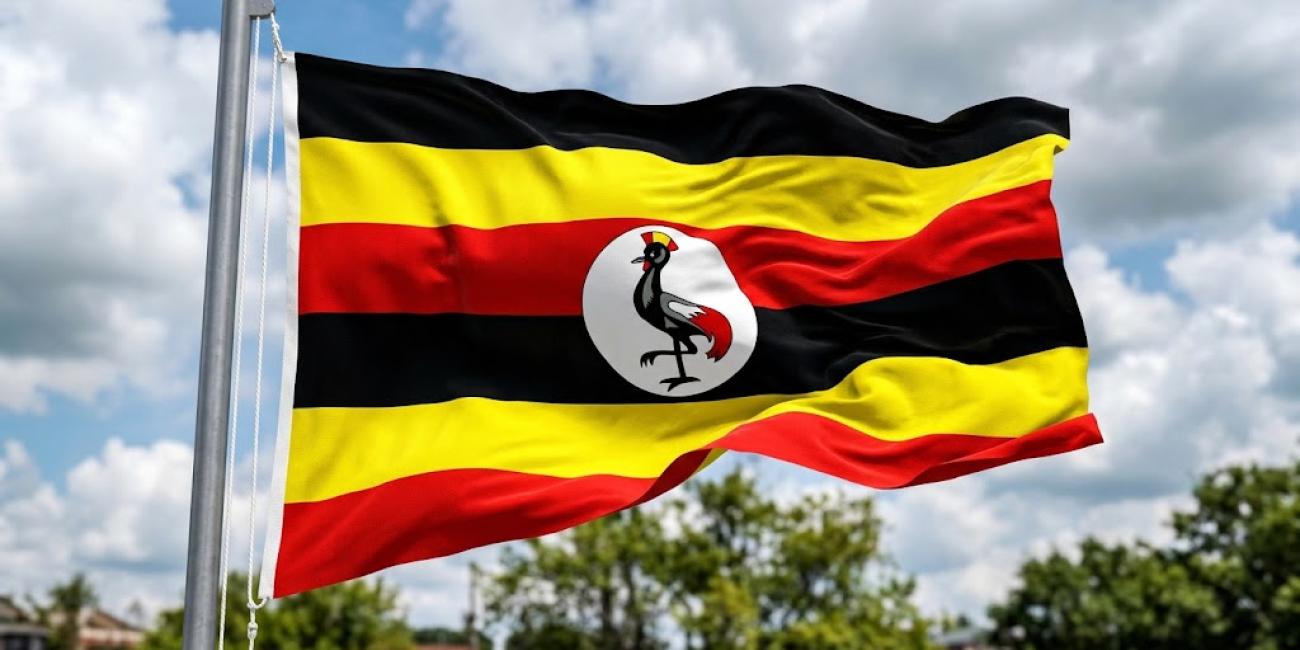
In a statement issued in Kampala on Tuesday night, Uganda’s Director General of Health Services, Prof. Charles Olaro, said the woman had travelled to the eastern Democratic Republic of Congo (DRC) for business and passed through Uganda while she was reportedly not exhibiting symptoms.
The ministry emphasised that the woman’s transit through Uganda did not establish that she contracted the virus there, adding that investigations were ongoing to determine where she was exposed.
“Travel through Uganda does not establish that infection occurred here. The location of exposure remains under investigation,” the statement said.
The development followed an announcement by Nigeria’s Minister of Health and Social Welfare, Muhammad Ali Pate, who confirmed on Tuesday that a woman in the Federal Capital Territory (FCT) had tested positive for Ebola.
According to the minister, laboratory tests confirmed the infection after the woman arrived in Nigeria on an international flight from Uganda.
Pate said the patient had been receiving treatment at a private hospital in the FCT for several days before the infection was identified. She was subsequently isolated and placed under medical observation as health authorities began efforts to contain the virus and prevent further transmission.
Public health teams have reportedly begun tracing 44 people who had contact with the patient. Authorities are also working to identify and monitor other individuals who may have been exposed to the virus.
Those potentially requiring monitoring include healthcare workers, patients, caregivers and people who may have encountered the woman during her journey, according to a public health alert sent to state ministries of health.
Meanwhile, Uganda’s Ministry of Health said the Nigerian government had yet to provide detailed information about the woman’s travel itinerary and clinical history.
The ministry explained that the information was necessary to guide further investigations and determine whether contact tracing or other public health interventions would be required.
“The Government of Nigeria is yet to provide detailed information on her travel itinerary and clinical history which will guide further investigations and any necessary contact tracing,” the statement added.
Despite the absence of confirmed active cases, Ugandan authorities said they were reviewing and strengthening public health measures at the country’s points of entry in response to concerns about the movement of travellers from areas affected by Ebola.
The ministry noted that limited arrangements had been maintained for humanitarian and diplomatic movements, while relevant government agencies were expected to reinforce screening procedures and other public health controls at entry points.
However, the government sought to reassure citizens that the reported case in Nigeria did not mean Uganda was experiencing an Ebola outbreak.
“We wish to clarify that, as at the time of this statement, Uganda has no confirmed active Ebola cases,” the ministry stated.
The authorities urged members of the public to remain calm but vigilant while investigations continued. Citizens were advised to observe basic hygiene practices, including regular handwashing and the use of hand sanitiser.
The ministry also assured the public that further updates would be communicated through official channels as more information became available.
The situation highlights the importance of cross-border cooperation, timely information sharing and coordinated disease surveillance in responding to potential public health threats.
Health authorities in both countries are expected to continue monitoring the situation and implementing appropriate measures to identify possible exposures and limit the risk of further transmission.