Several major foreign companies have either withdrawn from the Nigerian market, announced their exit, or discontinued some of their operations in the country in recent years, amid growing concerns over economic pressures, foreign exchange challenges, inflation, insecurity and the wider business environment.
The trend has attracted renewed attention under the administration of President Bola Tinubu, particularly as businesses continue to reassess their investments and operating models in Nigeria.
Among the notable international companies associated with exits or withdrawals from the Nigerian market are:
1. Uber – 2026
Ride-hailing giant Uber is listed among the latest major foreign companies reported to have exited Nigeria in 2026. Its departure adds to growing concerns about the ability of international companies to sustain operations in the country amid rising costs and a challenging business environment.
2. Equinor – 2024
Norwegian energy company Equinor exited Nigeria in 2024 after decades of involvement in the country’s oil and gas industry. The company agreed to sell its Nigerian business to Chappal Energies, marking the end of its direct upstream operations in the country.
3. Sanofi-Aventis – 2024
French pharmaceutical company Sanofi was among multinational firms that adjusted their operations in Nigeria. The company moved away from its direct commercial model in the country, with its products subsequently distributed through other channels.
4. Kimberly-Clark – 2024
American multinational Kimberly-Clark, the manufacturer of brands such as Huggies and Kotex, announced changes to its Nigerian operations in 2024. The company said it would discontinue its local production operations as part of a restructuring of its business in the country.
5. Bolt Food – 2023
Bolt Food, the food-delivery arm of Estonia-based mobility company Bolt, discontinued its food-delivery service in Nigeria in 2023.
The company cited strategic considerations surrounding its operations as it withdrew the service from the Nigerian market.
6. Microsoft – 2023
Microsoft was also linked to a major restructuring of its Nigerian operations in 2023, particularly following changes affecting its African development and technology operations.
The technology giant, however, has maintained a presence in Nigeria through its broader technology ecosystem, making its inclusion in lists of companies that have completely exited the country subject to qualification.
7. Jumia Food – 2023
Jumia Food, the food-delivery service operated by Africa-focused e-commerce company Jumia, shut down its food-delivery operations in Nigeria in 2023.
The company said the decision formed part of a broader strategic review of its operations and efforts to concentrate on its core e-commerce business.
8. GlaxoSmithKline – 2023
British pharmaceutical giant GlaxoSmithKline (GSK) announced in 2023 that it would cease its commercialisation activities in Nigeria under its existing corporate structure and transition to a new model involving third-party distribution.
The move generated significant public discussion because of GSK’s longstanding presence in Nigeria’s pharmaceutical market.
9. Procter & Gamble – 2023
American consumer goods giant Procter & Gamble announced plans in 2023 to discontinue its direct presence in Nigeria and transition to a distributor-led model.
The company attributed the decision to challenges associated with maintaining a sustainable direct commercial operation in the country.
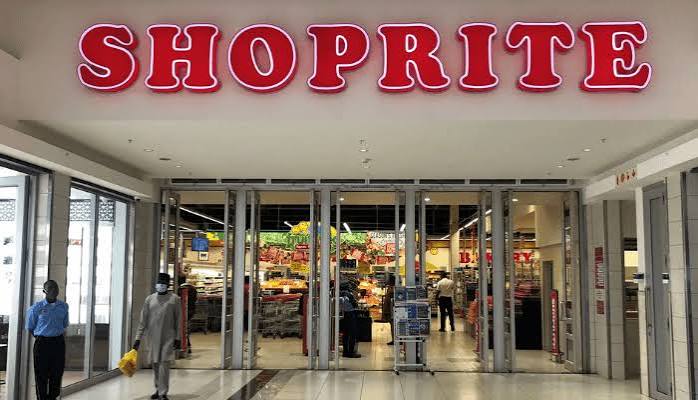
10. Shoprite Holdings – 2021
South African retail giant Shoprite Holdings announced the sale of its Nigerian supermarket business in 2021, bringing an end to its direct ownership of its Nigerian retail operations.
The company subsequently exited the Nigerian retail market after years of operating supermarkets across several locations.
A Growing Pattern of Corporate Restructuring
The departure or restructuring of major multinational companies has raised questions about Nigeria’s investment climate and the challenges confronting businesses operating in the country.
Companies have cited different reasons for their decisions, ranging from strategic restructuring and a shift to distributor-led models to foreign-exchange constraints, rising operating costs and changing market conditions.
The exits have also renewed debate over the need for policies that can make Nigeria more attractive to foreign investors while supporting existing businesses to expand their operations.
For a country with one of Africa’s largest consumer markets and a population exceeding 200 million, the continued withdrawal or restructuring of multinational operations could have implications for employment, technology transfer, tax revenues, supply chains and consumer access to products and services.
However, it is important to distinguish between a complete exit from Nigeria and a change in business model. Some companies described as having “left Nigeria” have not necessarily abandoned the Nigerian market entirely; in several cases, they have transferred manufacturing, sales or distribution responsibilities to local partners or third-party distributors.
The trend therefore reflects a combination of outright divestments, discontinued services, corporate restructuring and changes in market strategy rather than a uniform wave of complete corporate departures.
Nevertheless, the development remains significant as Nigeria seeks to attract new foreign investment and retain existing multinational businesses amid economic reforms and rising operating costs.