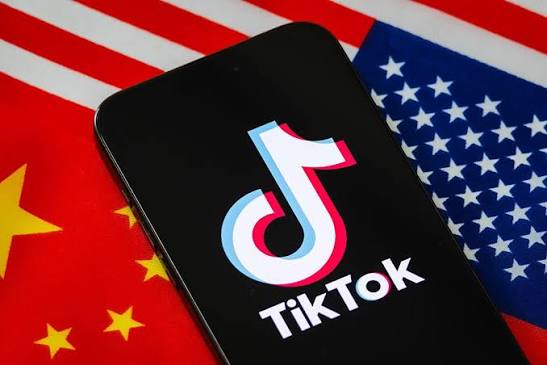
The United States Department of Justice has reached a $400 million settlement with TikTok, ByteDance and affiliated companies, bringing an end to litigation over alleged violations of federal laws governing the collection and protection of children’s personal information online.
The settlement, announced by the Justice Department, resolves a lawsuit concerning alleged breaches of the Children’s Online Privacy Protection Act (COPPA) and its implementing regulations. The law imposes specific obligations on operators of websites and online services directed at children, as well as platforms that have actual knowledge that they are collecting personal information from children.
Under the terms of the agreement, TikTok will pay $300 million immediately. An additional $100 million will be paid once a court enters an order vacating a previous consent decree involving Musical.ly, the social media platform that preceded TikTok.
The $400 million settlement is being described by the Justice Department as one of the largest financial recoveries ever secured in a case brought under COPPA. The agreement comes at a time when US authorities are increasing scrutiny of major technology and social media companies over the collection, use and protection of information belonging to children.
Associate Attorney General Stanley E. Woodward Jr. described the settlement as an important victory for children and parents across the United States.
“This settlement is a major victory for American children and parents,” Woodward said, stressing that protecting children online remains a priority for the Justice Department.
He said companies entrusted with children’s personal information have a responsibility to comply with federal law and ensure that parents receive the protections they are entitled to under existing regulations.
According to the Justice Department, the settlement provides a substantial financial recovery while also recognising changes that TikTok has made to its ownership structure, management, compliance operations and privacy practices since the government initiated its legal action.
The lawsuit was filed by the Justice Department in 2024 at the US District Court for the Central District of California. It followed concerns over TikTok’s compliance with federal requirements designed to protect children’s online privacy.
Government officials said that since the filing of the complaint, TikTok has introduced significant changes to its systems and practices. These measures reportedly include stronger privacy safeguards for younger users, improved age-related controls and enhanced mechanisms for parental oversight.
The Justice Department said the changes have materially advanced the public interests that formed the foundation of its lawsuit and have strengthened protections for millions of American families using the platform.
Assistant Attorney General Brett A. Shumate of the Justice Department’s Civil Division said the settlement sends a clear message to technology companies that handle children’s personal information.
“Companies that collect children’s personal information must comply with the law,” Shumate said.
He added that the resolution would secure a significant monetary recovery while reinforcing the federal government’s commitment to ensuring that children receive the full protections established by Congress.
The settlement also reflects a broader effort by US authorities to hold technology companies accountable for their handling of sensitive information belonging to minors. Social media platforms have increasingly faced questions from regulators, lawmakers, parents and child-safety advocates over the extent to which young users are protected from inappropriate data collection and online risks.
COPPA was enacted to give parents greater control over the personal information collected from their children online. Among other requirements, the law places obligations on operators of websites and online services aimed at children and on services that know they are collecting information from users under the applicable age threshold.
The law generally requires covered operators to provide parents with notice about their information-collection practices and, in relevant circumstances, obtain verifiable parental consent before collecting certain personal information from children. It also establishes obligations concerning the security and retention of such information.
The Justice Department said the TikTok case demonstrates that companies cannot disregard those obligations when operating platforms used by children and young people.
The department further said the settlement takes into account the substantial compliance and privacy improvements introduced by TikTok since the government’s lawsuit was filed.
Rather than continuing with potentially lengthy litigation, the agreement combines a major financial payment with measures aimed at maintaining and strengthening privacy protections for younger users.
According to the Justice Department, this approach will enable American families to benefit from strengthened safeguards without waiting for the litigation to proceed through an extended legal process.
The case also highlights the growing regulatory pressure facing global social media companies. Platforms such as TikTok collect and process large volumes of user information, making questions surrounding children’s privacy particularly significant.
For parents, the issue extends beyond the amount of data collected. It also concerns how information is stored, how long it is retained, who may have access to it, and whether children can meaningfully understand the consequences of sharing personal information online.
The Justice Department’s action therefore forms part of a wider debate about the responsibilities of technology companies in protecting minors in an increasingly digital society.
The litigation was handled by the Civil Division’s Enforcement and Affirmative Litigation Branch following a referral from the Federal Trade Commission.
The case was filed in the US District Court for the Central District of California, where the government pursued its claims against TikTok, ByteDance and related entities.
The settlement brings the litigation to a conclusion while requiring TikTok to make substantial financial payments and continue strengthening the privacy protections available to younger users.
For the US government, the agreement represents both a financial recovery and an enforcement statement: companies collecting personal information from children must take federal privacy requirements seriously.
For TikTok, the settlement closes a significant legal dispute while placing continued emphasis on compliance, age verification, parental oversight and privacy safeguards.
The $400 million agreement is also likely to reinforce the importance of corporate responsibility as governments around the world increasingly examine how social media platforms interact with children.
As children’s use of digital platforms continues to expand, regulators are expected to pay greater attention to how companies collect and process information from minors. The TikTok settlement could consequently serve as a significant reminder to technology companies that child privacy is not simply a matter of corporate policy but a legal obligation.
Ultimately, the US government’s settlement with TikTok underscores the increasing importance of protecting children in the digital environment. While the agreement resolves the specific litigation, it also reinforces a broader principle that companies entrusted with children’s personal information must implement effective safeguards and comply with the laws designed to protect young users and their families.
With TikTok agreeing to pay $400 million and continue strengthening its privacy and compliance systems, the settlement marks a significant development in the US government’s continuing efforts to ensure that children’s rights and personal information are adequately protected online.