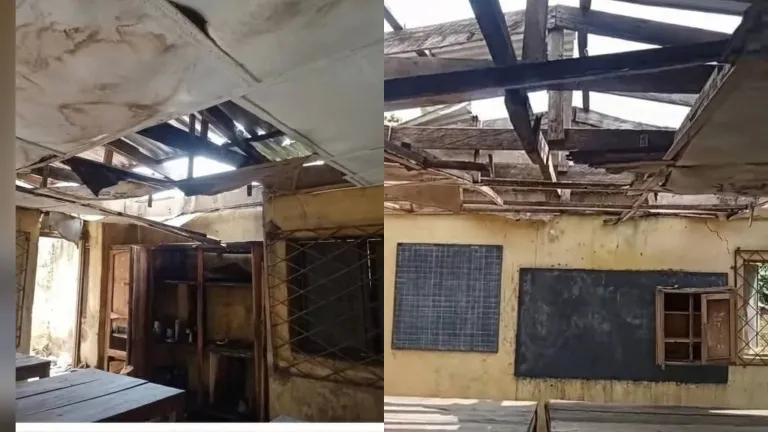
Reports emerging from Afikpo in Ebonyi State indicate that the West African Examinations Council (WAEC) has reportedly deregistered Ohabuike Secondary School, Ndibe-Afikpo, following concerns over the deteriorating condition of its infrastructure and the absence of functional science laboratory facilities required for effective teaching and examination administration.
According to sources within the community, the decision was taken after assessments allegedly revealed that the school no longer met the minimum standards necessary for maintaining accreditation as a centre for conducting WAEC examinations.
The development has generated concern among parents, education stakeholders and residents, many of whom fear that the loss of accreditation could negatively affect students and further expose weaknesses within the public education system in the state.
Community members say the reported deregistration highlights longstanding challenges facing several public secondary schools, including inadequate classroom facilities, poor maintenance culture and the absence of essential learning resources.
Stakeholders familiar with the situation noted that science laboratories, which are critical for practical instruction and examinations in subjects such as Physics, Chemistry and Biology, have either become non-functional or are grossly inadequate in the affected institution.
They argue that the absence of such facilities compromises the quality of teaching and learning while limiting students’ opportunities to acquire practical knowledge necessary for academic success.
The situation at Ohabuike Secondary School is reportedly not an isolated case.
A similar concern has been raised regarding Community Secondary School, Nkalagu, located in Ishielu Local Government Area of Ebonyi State.
Residents and education advocates allege that the school has also continued to struggle with deteriorating infrastructure, inadequate educational facilities and a learning environment that falls short of acceptable standards.
According to reports from the area, several structures within the school require urgent rehabilitation, while students and teachers are forced to cope with limited educational resources.
Concerned stakeholders warn that the challenges confronting these schools reflect broader systemic issues affecting public education across many parts of Ebonyi State.
They argue that numerous public secondary schools are grappling with inadequate infrastructure, overcrowded classrooms, shortage of instructional materials and limited access to modern learning facilities.
Observers note that such deficiencies can significantly impact students’ academic performance and reduce their competitiveness in national examinations and higher education admissions.
Education experts have repeatedly emphasized that quality infrastructure plays a crucial role in creating an enabling environment for learning.
They maintain that schools require adequate classrooms, laboratories, libraries, furniture, water supply and sanitation facilities to effectively support teaching and learning activities.
Where such facilities are lacking, students often face significant disadvantages that may affect both their academic development and future opportunities.
Some stakeholders have expressed concern that the continued decline of public educational institutions could contribute to increasing numbers of out-of-school children and vulnerable youths in affected communities.
According to them, when schools become unattractive or incapable of providing quality education, parents may withdraw their children or become reluctant to enrol them in the first place.
They warn that young people who are denied access to quality education are often exposed to various social and economic risks.
These include child labour, street hawking, early marriage, juvenile delinquency and other challenges associated with limited educational opportunities.
Education advocates argue that investment in schools remains one of the most effective strategies for addressing poverty, reducing inequality and promoting sustainable development.
They note that education equips young people with the skills and knowledge necessary to contribute meaningfully to society and the economy.
Consequently, they insist that the condition of public schools should remain a top priority for governments at all levels.
The reported deregistration has also reignited debates about government spending priorities and the allocation of public resources.
Critics of the state government have questioned whether sufficient attention is being devoted to the rehabilitation and modernization of educational infrastructure.
Some have alleged that significant resources are often directed toward political programmes, ceremonies and other activities while critical sectors such as education and healthcare continue to face infrastructural challenges.
According to these critics, greater investment in schools would yield long-term benefits by strengthening human capital development and improving educational outcomes.
They argue that the quality of a state’s educational system remains one of the most important indicators of governance and development.
A strong education sector, they contend, produces a skilled workforce, encourages innovation and contributes to social stability.
Conversely, neglecting educational infrastructure could have lasting consequences for future generations.
Education stakeholders have therefore called for urgent intervention by relevant authorities to address the challenges facing affected schools and prevent similar situations elsewhere in the state.
They are urging the government to conduct comprehensive assessments of public schools, identify infrastructural deficits and implement targeted rehabilitation programmes.
Some have also advocated partnerships with development agencies, private organisations and community groups to support educational development initiatives.
Others stress the importance of regular monitoring and maintenance to ensure that facilities remain functional and continue to meet required standards.
While the Ebonyi State Government has yet to issue a detailed response regarding the specific reports surrounding the alleged WAEC deregistration, pressure is mounting from residents, parents and education advocates for decisive action.
Many believe that prompt intervention could help restore confidence in the public education system and prevent further deterioration of learning conditions in affected schools.
The development has intensified conversations about the future of public education in Ebonyi State and the urgent need for strategic investments in educational infrastructure.
For many stakeholders, the issue extends beyond the accreditation status of a single school and touches on the broader challenge of ensuring that every child has access to a safe, functional and quality learning environment.
They insist that addressing the current deficiencies must become a priority if the state hopes to secure better educational outcomes and prepare future generations for the demands of a rapidly changing world.
As calls for intervention continue to grow, residents remain hopeful that relevant authorities will take swift and concrete steps to rehabilitate decaying school infrastructure and strengthen the quality of education available to students across Ebonyi State.