By Olasunkanmi Olajide & Femi Dansu
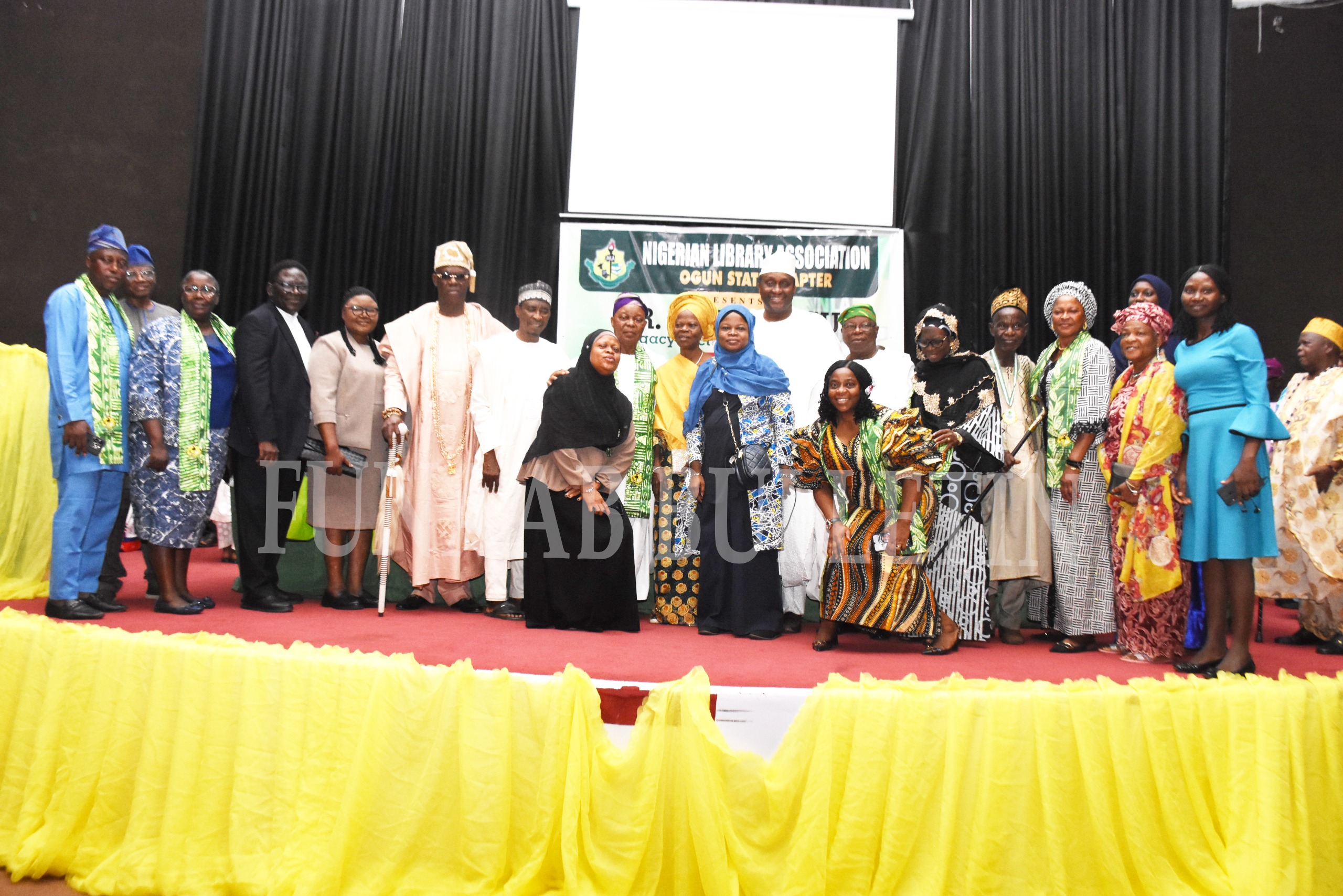
The Pioneer University Librarian of the Federal University of Agriculture, Abeokuta (FUNAAB), Dr Taofiq Mabayoje Salisu, on March 31, 2026, paid glowing tributes to the mentors who shaped his illustrious career at the maiden edition of the Dr T. M. Salisu Legacy Lecture.
Speaking at the event hosted at the Olusegun Obasanjo Presidential Library, Dr. Salisu reflected on his lifelong professional journey, acknowledging the profound influence of late Pa Sesan Dipeolu, late Sam Oderinde, and late Prof. Nimbe Adedipe, Pioneer Vice-Chancellor of FUNAAB, whom he credited with discovering his potential as early as 1966 and guiding him into the field of librarianship.
Describing his career as one marked by steady growth and purposeful impact, Dr. Salisu expressed gratitude to God while highlighting his pioneering advocacy for the recognition of librarians as academic staff members. He noted that the vision, which he championed in 1980, has now been fully realised, with Librarians attaining professorial status and playing central roles in academia.
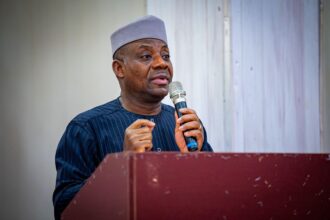
Speaking on the theme, “Libraries in a Changing World: Repositioning for National Development,” he emphasised the need for modern libraries to leverage digital tools, including artificial intelligence, online platforms, and mobile technologies, to expand access to knowledge beyond physical spaces. While underscoring the critical role of libraries in sustainable development, Prof. Mohammed highlighted persistent challenges such as inadequate funding, low digital literacy, infrastructural deficits, and weak institutional collaboration. He urged policymakers and stakeholders to invest in digital capacity, strengthen partnerships, and promote innovation to prevent libraries from becoming obsolete.
In a goodwill message, the Vice-Chancellor of FUNAAB, Prof. Babatunde Kehinde, described libraries as vital engines of national development, stressing the need for them to evolve into dynamic centres for knowledge creation and innovation. Represented by the University Librarian, Prof. Abayomi Owolabi, the Vice-Chancellor lauded Dr. Salisu as a visionary pioneer whose leadership laid the foundation for the University’s Nimbe Adedipe Library, now a hub for academic excellence and research advancement.
Earlier, Dr. Bolanle Atulomah, Chairperson of the Ogun State Chapter of the Nigerian Library Association, described the lecture as a vital platform for intellectual engagement and for preserving the legacies of distinguished professionals in Library and Information Science.
Also speaking, Ambassador Sarafa Tunji Ishola, former Nigerian High Commissioner to the United Kingdom, called for a cultural shift towards celebrating achievers during their lifetime, while Prof. Olusola Oyewole, Secretary-General of the Association of African Universities, and former Vice-Chancellor of FUNAAB, emphasised the global importance of Librarians in advancing research and knowledge systems, particularly in Africa.
In a similar vein, Ogun State Commissioner for Education, Prof. Abayomi Arigbabu, commended Dr. Salisu’s enduring impact, describing him as a multifaceted individual whose contributions to education and society continue to inspire.
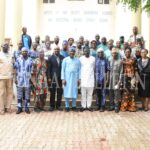
The event attracted an array of dignitaries, including Justice Ademola Bakre, Engr. Olufemi Omotayo, former University Librarian, FUNAAB, Dr. Mulikat Salaam, and several University Librarians across Nigeria, among others. Speakers collectively noted the enduring values of dedication, integrity, and commitment to knowledge as essential drivers of institutional growth and societal development, while paying tribute to past leaders whose legacies continue to shape the evolution of librarianship in Nigeria.