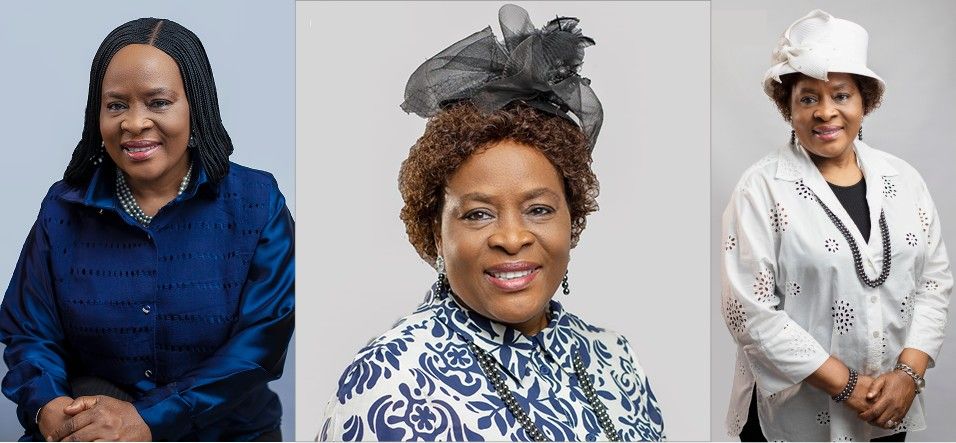
Rev. Mrs. Stellamaris Ajetomobi, Vice President of The Men of Issachar Vision Inc., has stirred public conversation with her candid remarks on marriage, particularly her emphasis on intimacy as a central pillar of the marital relationship.
Speaking in a recent engagement, Ajetomobi presented a deeply personal and unconventional perspective on what she described as the “core assignment” in marriage. According to her, the primary reason she chose to get married was rooted in the unique and exclusive nature of marital intimacy.
In her words, she reflected on her life before marriage, noting that many of her basic needs—such as food, shelter, and clothing—were already met in her family home. She questioned what additional purpose marriage served beyond those provisions, concluding that the distinguishing factor was the exclusive right to share intimacy with one’s spouse.
“Sex is marriage,” she stated emphatically, underscoring her belief that physical intimacy is not just a component of marriage, but its defining feature. For her, this aspect of the relationship represents a sacred and exclusive bond that cannot be replicated outside the marital union.
Ajetomobi further stressed the spiritual and moral framework surrounding this belief. She pointed out that, within her understanding of faith and societal norms, intimacy outside marriage is both socially condemned and spiritually discouraged. As such, she views the marital relationship as the only legitimate context in which such closeness is permitted.
She also referenced the symbolic significance of the marriage ceremony itself, describing it as a formal endorsement of this exclusivity. According to her, the marriage certificate represents more than a legal document—it is a validation of the unique rights and responsibilities shared between spouses.
While her remarks strongly emphasized intimacy, Ajetomobi also addressed other aspects of domestic life, making a clear distinction between what she considers supportive roles and what she views as the central responsibility in marriage. She acknowledged that partners can assist each other with everyday tasks such as cooking, laundry, and even supporting children’s academic activities. However, she maintained that these responsibilities, while important, are not exclusive to marriage and can be delegated or shared.
In contrast, she argued that intimacy is non-transferable and cannot be outsourced or substituted. It is, in her view, the one responsibility that remains uniquely tied to the marital bond. She expressed this point in strong terms, emphasizing that any breach of this exclusivity would be unacceptable.
Her comments have sparked a mix of reactions, with some individuals agreeing that intimacy is a vital component of a healthy marriage, while others argue that marriage is a multifaceted institution that extends beyond physical connection. Critics suggest that reducing marriage to a single defining factor may overlook other essential elements such as emotional support, companionship, shared values, and mutual growth.
Supporters, however, interpret her remarks as a bold reaffirmation of the importance of intimacy in sustaining marital relationships. They argue that, in many cases, neglect of this aspect can lead to disconnection between partners, making her perspective a reminder of its significance.
Ajetomobi’s statements also highlight broader cultural and religious views about marriage, particularly within communities where moral teachings strongly influence personal and social relationships. In such contexts, the idea of exclusivity in intimacy is often seen as foundational to the institution of marriage.
At the same time, her perspective raises important questions about how individuals define the purpose and expectations of marriage in contemporary society. While some may align with her emphasis on physical connection, others may prioritize emotional compatibility, partnership, or shared life goals as equally important components.
Ultimately, her remarks have succeeded in sparking dialogue about the meaning of marriage and the roles spouses play within it. Whether one agrees or disagrees with her stance, the conversation it has generated reflects the diversity of opinions surrounding relationships and the evolving ways in which people understand commitment, partnership, and intimacy.
As discussions continue, Ajetomobi’s viewpoint serves as a reminder that marriage, for many, is deeply personal—shaped by individual beliefs, cultural influences, and lived experiences.