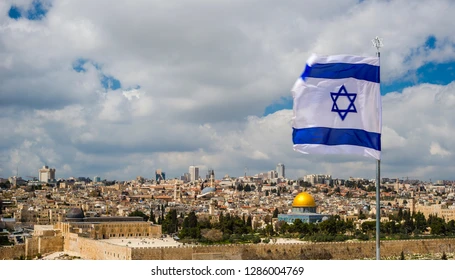
The Embassy of Israel in Nigeria has strongly condemned the gruesome massacre in Kwara State that left more than 160 people dead, describing the killings as a horrific act of violence against innocent civilians and an affront to humanity.
In a statement shared on its official X handle on Friday, the Israeli mission expressed deep sorrow over the deadly attack and extended condolences to the families of the victims, as well as to all those affected by what is being described as one of the worst mass killings in Nigeria in recent years.
“The Embassy of Israel in Nigeria condemns the horrific massacre in Kwara State, in which over 160 innocent people were brutally murdered,” the statement read.
The Embassy stressed that the deliberate targeting of civilians could never be justified, regardless of the circumstances or location, noting that such acts violate the most basic principles of humanity and international norms.
“The deliberate targeting of civilians is an affront to humanity and can never be justified no matter when or where it takes place,” the Israeli mission said.
Beyond its condemnation, Israel expressed solidarity with the Nigerian government and people, pledging support for Nigeria’s efforts to confront insecurity and protect vulnerable communities from violent attacks.
“Israel stands in solidarity with the people and Government of Nigeria in their efforts to confront violence and protect innocent lives,” the statement added.
The condemnation comes amid widespread outrage, both within Nigeria and internationally, following the massacre, which reportedly occurred in a rural community in Kwara State. According to local accounts, armed attackers stormed the community in the early hours of Tuesday, opening fire on residents, setting houses ablaze, and leaving a trail of destruction.
Although official figures are still being compiled, humanitarian organisations, community leaders, and local residents have put the death toll at over 160. Many of the victims were reportedly found in their homes, some burned beyond recognition after attackers allegedly torched buildings during the raid. Several residents are also believed to be missing, raising fears that the number of casualties could increase as search and recovery efforts continue.
Eyewitnesses described scenes of horror, with families fleeing into nearby bushes to escape the onslaught, while others were trapped in their homes. Survivors said the attackers operated for hours without resistance, underscoring persistent concerns about delayed security response in remote and rural areas.
The massacre has reignited national debate about Nigeria’s worsening security situation, particularly in rural communities across the North-Central and North-West regions, where attacks by armed groups, bandits, and other criminal elements have become increasingly frequent and deadly.
Security analysts note that such communities often lack a sustained security presence and rely heavily on overstretched local vigilante groups, leaving them vulnerable to well-coordinated assaults. In recent years, similar attacks have been recorded in parts of Plateau, Benue, Niger, Kaduna, and Zamfara states, often with devastating consequences for civilian populations.
President Bola Ahmed Tinubu condemned the Kwara killings shortly after reports of the attack emerged, describing the incident as barbaric and unacceptable. He ordered the immediate deployment of additional security forces to the affected area and directed security agencies to track down and bring the perpetrators to justice.
In a statement from the Presidency, Tinubu pledged that the Federal Government would not relent in its efforts to restore peace and security, particularly in communities facing persistent threats from armed groups. He also expressed condolences to the families of the victims and assured them of the government’s support.
However, despite these assurances, residents and civil society organisations have continued to criticise what they describe as systemic failures in preventing attacks, even when warning signs exist. Community leaders in the affected area reportedly raised concerns about rising insecurity in the weeks preceding the massacre, but say no decisive action was taken.
Human rights groups argue that the recurring pattern of attacks followed by condemnations and troop deployments highlights deeper structural issues within Nigeria’s security architecture, including intelligence lapses, inadequate manpower, poor equipment, and limited coordination among security agencies.
International actors have also increasingly voiced alarm over the scale and frequency of violence across Nigeria. Diplomatic missions, foreign governments, and global organisations have issued statements condemning attacks on civilians and urging Nigerian authorities to take stronger and more proactive measures to protect lives.
The Israeli Embassy’s statement adds to a growing list of international responses that underscore the global concern surrounding Nigeria’s security crisis. Analysts say such reactions reflect fears that continued instability in Africa’s most populous nation could have broader regional and international implications.
Security experts warn that unless urgent and coordinated steps are taken to address the root causes of violence—such as poverty, unemployment, weak governance, proliferation of small arms, and competition over land and resources—mass casualty attacks like the Kwara massacre may continue.
They also stress the need for improved intelligence gathering, early warning systems, community policing, and accountability for security failures, alongside long-term socio-economic interventions to reduce the appeal of violence.
For survivors of the Kwara attack, the immediate needs remain rescue, medical care, shelter, and psychological support. Many families have been displaced, their homes destroyed, and livelihoods disrupted. Local authorities and humanitarian groups are working to provide relief, but resources remain limited.
As the nation mourns, grieving families are calling for justice, accountability, and a sustained security presence in their communities to prevent further bloodshed. For them, the tragedy is not only about the lives already lost but also about the urgent need to ensure that such horrors are not repeated.
The Israeli Embassy’s condemnation, alongside similar expressions of solidarity from other international partners, highlights the shared responsibility to protect civilians and uphold human dignity. Yet, for many Nigerians, the ultimate test lies in whether words of sympathy will translate into concrete actions that finally stem the tide of violence claiming innocent lives across the country.