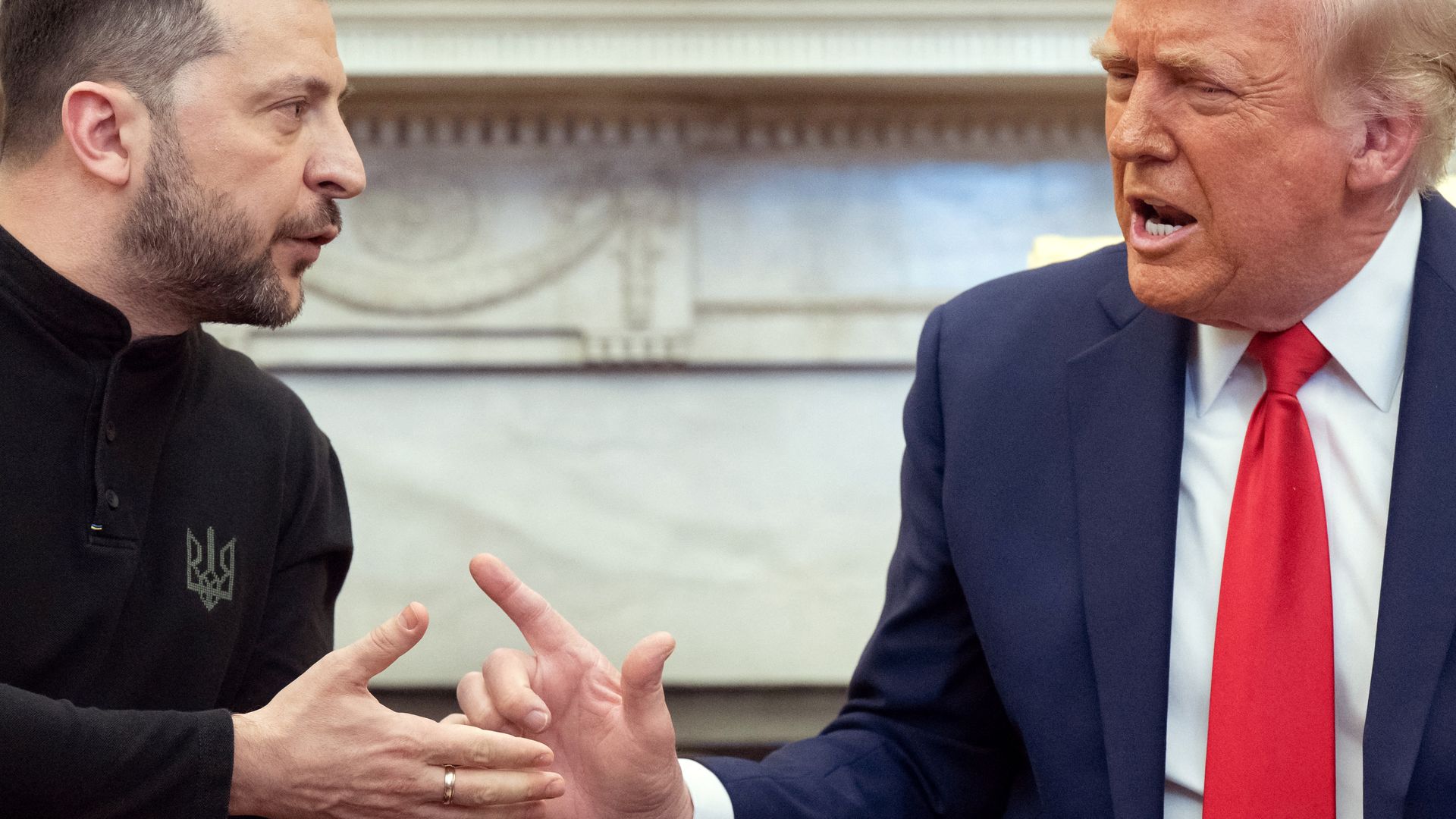
On the eve of the fourth anniversary of Russia’s full-scale invasion, Ukrainian President Volodymyr Zelensky issued a pointed appeal to former U.S. President Donald Trump, urging him to maintain unwavering alignment with Ukraine as the war grinds on.
In an interview conducted in Kyiv, Zelensky underscored the central role of the United States in shaping the trajectory of the conflict. He argued that Washington’s global influence and military capacity make it too significant an actor to retreat or adopt a posture of detachment.
“The United States is too strong, too influential to stand aside,” Zelensky said in essence, expressing hope that Trump would use an upcoming national address to publicly reaffirm support for Ukraine as its forces continue to resist Russian aggression.
Zelensky directed much of his criticism toward Vladimir Putin, portraying the Russian president as the singular architect and driving force behind the invasion.
According to Zelensky, the war is inseparable from Putin’s personal ambitions and the structure of Russia’s political system. He characterized the Kremlin’s governance model as highly centralized, asserting that power in Moscow revolves almost entirely around one individual.
In Zelensky’s framing, the conflict is not merely a geopolitical dispute between neighboring states but rather a manifestation of Putin’s expansionist vision. He suggested that understanding this concentration of authority is essential to comprehending both the origins and persistence of the war.
When asked whether Trump has exerted sufficient pressure on Moscow, Zelensky indicated that he does not believe enough has been done to deter or constrain Russia’s actions.
He contended that if the United States genuinely intends to halt what he described as Putin’s aggression, it possesses the economic, diplomatic, and military tools necessary to do so. Sanctions, military assistance, and coordinated international diplomacy, in his view, remain critical levers.
Zelensky’s comments come at a sensitive moment. As Ukraine approaches the fourth year of sustained high-intensity warfare, questions about long-term Western support have become more pronounced in political debates abroad, particularly in the United States.
American assistance—ranging from advanced weaponry and intelligence support to financial aid—has been instrumental in enabling Ukraine to defend key cities and conduct counteroffensives. However, domestic political shifts in Washington have periodically fueled uncertainty about the durability of that backing.
Zelensky reiterated that while Ukraine seeks a swift end to hostilities, peace cannot come at the expense of sovereignty.
He warned that accepting Moscow’s demands in full would effectively mean capitulation. Such an outcome, he argued, would either force Ukrainians to abandon their homeland or compel them to live under Russian control.
From Kyiv’s perspective, the war is existential. It concerns not only territorial integrity but also national identity, democratic governance, and alignment with Europe and the broader West.
Zelensky has consistently maintained that any settlement must respect Ukraine’s internationally recognized borders and its right to determine its own political and security future.
As the conflict enters its fourth year, it has evolved into one of the most consequential security crises in Europe since the end of the Cold War.
Russia’s full-scale invasion in February 2022 marked a dramatic escalation from the earlier conflict that began in 2014 with the annexation of Crimea and fighting in eastern Ukraine. Since then, the war has reshaped NATO strategy, altered European energy markets, and triggered sweeping sanctions against Moscow.
For the United States, support for Ukraine has become a central pillar of its broader strategy to counter Russian influence and uphold the post–World War II international order. Critics, however, argue about the scale, duration, and cost of that commitment.
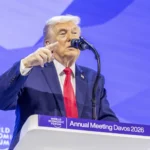
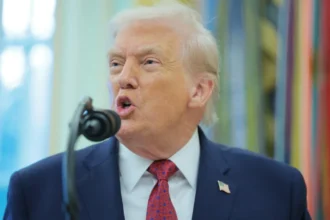
Zelensky’s appeal to Trump is therefore both symbolic and strategic. As a former U.S. president and a prominent political figure, Trump’s stance carries weight within American political discourse. Zelensky’s message signals Kyiv’s recognition that bipartisan and cross-factional support in Washington is vital to sustaining military and financial aid.
By directly addressing Trump, Zelensky appears to be engaging in proactive diplomacy aimed at shaping the narrative ahead of key political developments in the United States.
His remarks reflect an understanding that U.S. policy toward Ukraine could be influenced by shifting electoral dynamics. Maintaining American engagement is central to Kyiv’s war strategy, particularly as battlefield conditions fluctuate and resources remain strained.
Zelensky’s tone combined urgency with restraint. While expressing dissatisfaction with what he perceives as insufficient pressure on Russia, he stopped short of direct confrontation. Instead, he framed his appeal in terms of shared values and strategic necessity.
As Ukraine commemorates four years since the full-scale invasion began, the human and economic toll continues to mount. Cities have been damaged, infrastructure disrupted, and millions displaced. Yet Ukrainian forces remain engaged in active combat across multiple fronts.
Zelensky’s message underscores the enduring reality that the conflict’s trajectory is deeply intertwined with international politics—especially in Washington.
Whether Trump will explicitly reaffirm support in his forthcoming address remains to be seen. What is clear, however, is that Kyiv views sustained American involvement as indispensable.
For Zelensky, the equation is straightforward: a powerful United States aligned with Ukraine increases the prospects of containing Russian aggression; a wavering or disengaged America risks emboldening Moscow.
As the war enters its fifth year, the question of resolve—both on the battlefield and in foreign capitals—continues to shape the conflict’s uncertain future.