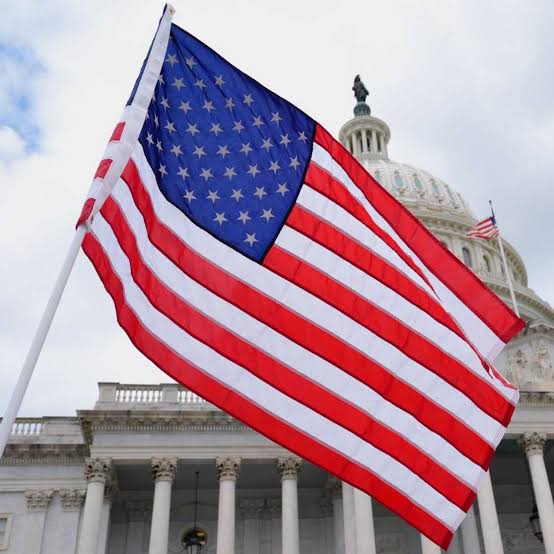
The United States government has condemned a deadly attack in Plateau State that reportedly claimed the lives of dozens of people, expressing concern over the continuing violence in Nigeria’s Middle Belt and urging the Nigerian authorities to strengthen the protection of vulnerable communities.
The US Bureau of African Affairs described the incident as another “murderous attack” in the region and called on the Nigerian government to ensure that those responsible are brought to justice.
In a statement issued on Wednesday, the Bureau said it was deeply alarmed by the reported killing of residents who were attacked while they were asleep in their homes in Plateau State.
“The United States is horrified by yet another murderous attack in the Middle Belt of Nigeria, killing dozens of people asleep in their homes in Plateau State,” the Bureau said.
Washington expressed particular concern about the timing of the attack, noting that it occurred shortly after a meeting of the United States Commission on International Religious Freedom (USCIRF) CPC Working Group.
“This is especially troubling coming on the heels of the recent CPC Working Group meeting,” the statement added.
The United States extended condolences to families whose relatives were killed or remain missing following the attack, while reiterating the importance of government action to protect communities facing insecurity.
“We extend our deepest condolences to the families of those missing and killed,” the Bureau stated.
The US government also urged Nigeria to fulfil what it described as its commitments to protect Christian communities and hold perpetrators of violence accountable.
“We strongly urge the Nigerian government to meet their commitments to protect Christian communities and to hold perpetrators of violence accountable,” the statement said.
The American reaction comes amid renewed concerns over recurring attacks in Plateau State and other parts of Nigeria’s Middle Belt, where rural communities have repeatedly experienced deadly violence, displacement and destruction of property.
The US Bureau of African Affairs did not give a specific figure for the number of people killed in the latest attack, stating only that dozens of people died while asleep in their homes. Details regarding the identities of the victims and the precise circumstances of the attack were also not provided in the statement.
The latest incident has nevertheless added to concerns about the security of rural communities in parts of the country where armed groups have continued to attack residents.
Amnesty International also raised alarm over a recent surge in violence in Nigeria, saying more than 50 people were killed within a single week in separate attacks on rural communities in Sokoto and Plateau states.
In a statement issued on Tuesday, the human rights organisation said at least 32 residents were killed in Sokoto State, while more than 20 people were reportedly killed in Plateau State.
According to Amnesty International, the attack in Sokoto occurred on August 12, 2026, when armed assailants invaded communities in Tangaza Local Government Area.
The organisation also reported a separate attack on Amper village in the BWI district of Mangu Local Government Area of Plateau State, where more than 20 people were reportedly killed and several others injured.
Amnesty International said the incidents illustrated what it described as the continuing inability of Nigerian authorities to adequately protect citizens from armed groups operating in vulnerable communities.
“These violent attacks by different armed groups once again show utter failure of Nigerian authorities to protect lives and property,” the rights organisation said.
It called on the Nigerian government to launch independent, impartial and thorough investigations into the killings in both Plateau and Sokoto states.
The organisation also urged authorities to identify those responsible, prosecute them in accordance with the law and take measures to prevent similar attacks from occurring.
The violence in Plateau State has broader implications because the state has experienced years of communal and religious tension, with competing claims over land, political influence, identity and access to resources contributing to insecurity in some areas.
Successive attacks have resulted in deaths, injuries, displacement and destruction of homes and livelihoods, placing additional pressure on communities already facing economic difficulties.
The latest statements from Washington and Amnesty International have therefore renewed calls for stronger security measures, better intelligence gathering and more effective protection of rural communities.
The US emphasis on protecting Christian communities also reflects Washington’s continuing attention to religious freedom and the security of faith-based communities in Nigeria. The country remains religiously diverse, with both Christians and Muslims affected by violent attacks in different parts of the country.
Security experts and rights organisations have repeatedly argued that effective protection should be based on the vulnerability of communities rather than solely on their religious identity, while ensuring that perpetrators are held individually responsible for crimes.
For families affected by the latest Plateau attack, however, the immediate priority remains accountability and security.
The call for independent investigations is expected to increase pressure on Nigerian authorities to establish exactly how the attackers carried out the operation, whether there were prior warnings, and what measures can be taken to prevent future attacks.
The incident has also heightened concerns about the ability of security agencies to protect remote communities, especially at night when residents are particularly vulnerable.
The Nigerian government has not, in the statement referenced here, provided a detailed response to the US government’s condemnation or to the specific figures cited by Amnesty International. Further official information is expected to clarify the number of casualties, the circumstances surrounding the attack and any arrests made in connection with the killings.
The United States, meanwhile, reiterated that protecting civilians and ensuring accountability should remain central to Nigeria’s response to insecurity.
As investigations continue, families of the victims, community leaders and rights groups are expected to maintain pressure on the authorities to ensure that the perpetrators are identified and prosecuted.
The latest tragedy has once again brought Nigeria’s security crisis into international focus, highlighting the urgent need for stronger protection of vulnerable communities, more effective intelligence-led operations and credible investigations into attacks that continue to claim civilian lives.