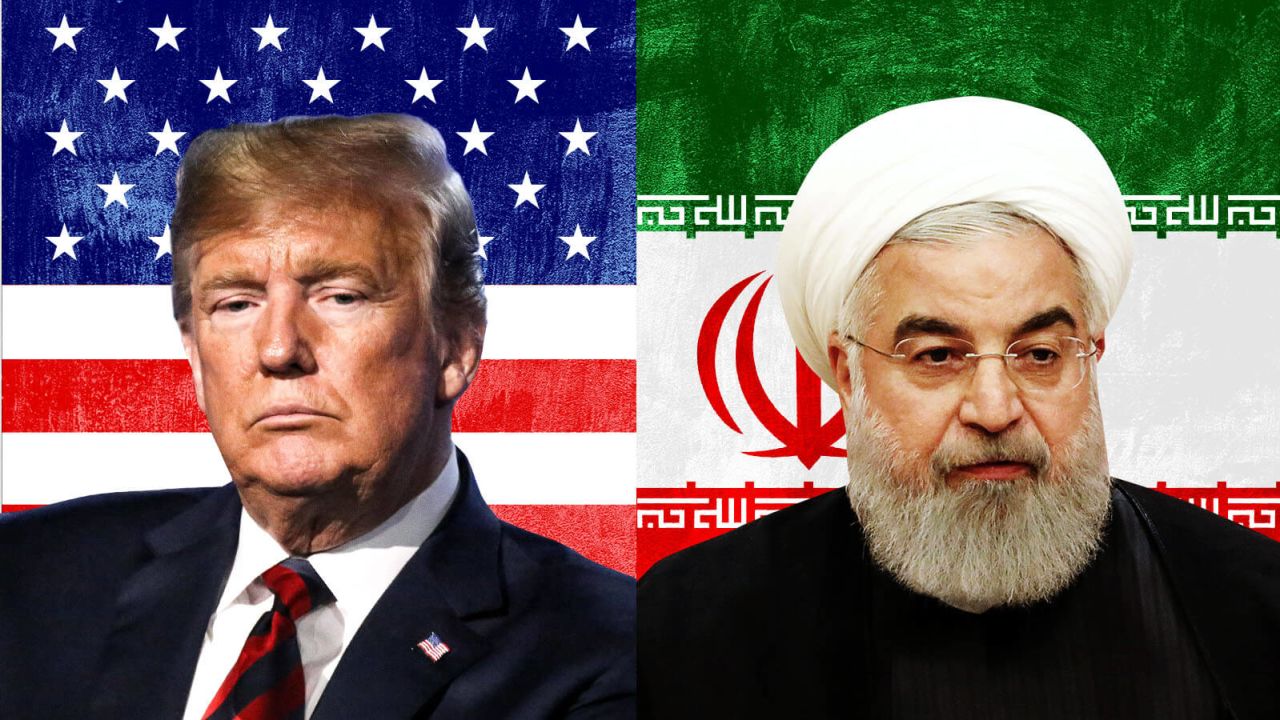
U.S. President Donald Trump has announced a temporary extension of a deadline for Iran to reopen the strategically vital Strait of Hormuz, warning that failure to comply could result in intensified attacks on the country’s energy infrastructure. The decision comes amid a widening conflict that has already taken a heavy toll across the Middle East and sent shockwaves through the global economy.
The crisis, now entering its fourth week, has evolved into a broader regional confrontation involving Iran, the United States, and Israel. Thousands of lives have reportedly been lost, while energy markets have been severely disrupted, pushing oil and gas prices higher and raising fears of a new wave of global inflation.
At the centre of the latest development is the Strait of Hormuz, a narrow but critical waterway through which roughly 20 percent of the world’s oil and liquefied natural gas passes. Iran’s effective blockade of the strait has heightened tensions and triggered significant volatility in global financial markets.
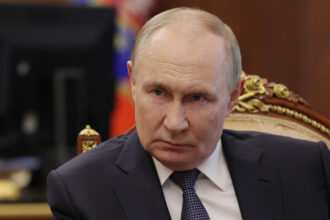
Speaking during a cabinet meeting at the White House, Trump warned that the United States was prepared to escalate pressure on Tehran if it failed to take steps toward de-escalation. He later clarified his position in a post on Truth Social, announcing that he would temporarily suspend threatened strikes on Iran’s energy facilities to allow more time for diplomacy.
According to the president, the pause—initially set for five days—has now been extended to ten days, giving Iran until April 6 to respond. The extension, he suggested, was intended to create space for ongoing negotiations, which he described as progressing positively despite conflicting reports.
“Talks are ongoing and, despite erroneous statements to the contrary by the Fake News Media and others, they are going very well,” Trump said in his social media post.
However, the nature of these talks remains unclear. Iranian officials have publicly denied that any negotiations with Washington are taking place, creating uncertainty over who exactly is involved in the discussions referenced by the U.S. president. The situation is further complicated by the loss of several senior Iranian officials during the ongoing conflict, which may have disrupted formal channels of communication.
Trump, in a separate appearance on the Fox News programme “The Five,” claimed that Iranian representatives had requested a seven-day pause in attacks on energy facilities. This assertion has been disputed by other sources, including mediators cited by the The Wall Street Journal, who reportedly said Iran did not seek a ten-day suspension of strikes.
As of now, there has been no official response from Tehran regarding the extended deadline or the claims made by the U.S. president. Iran has, however, maintained a firm stance throughout the crisis, rejecting a previously proposed 15-point framework put forward by Washington as a basis for ending hostilities.
The conflict itself began escalating sharply on February 28, when the United States and Israel launched coordinated strikes on Iranian targets. At the time, diplomatic talks over Iran’s nuclear programme were still ongoing, though they had yet to produce a breakthrough.
Since then, the situation has deteriorated rapidly. What began as a targeted military operation has expanded into a wider confrontation affecting multiple countries and critical infrastructure across the region. Airstrikes, missile exchanges, and retaliatory actions have become frequent, with civilians increasingly caught in the crossfire.
Reports from Iranian media indicate that several residential areas have been hit in recent attacks. In the early hours of Friday morning, strikes were reported in cities including Tehran, Qom, and Urumia. In Qom, at least three residential buildings in the Pardisan district were struck, resulting in the deaths of no fewer than six people.
In the capital, Tehran, emergency responders from the Iranian Red Crescent were seen working through the rubble of a damaged residential structure. One survivor was reportedly pulled from the debris, highlighting both the human cost of the conflict and the ongoing efforts to rescue those affected.
Beyond the immediate humanitarian impact, the war has had far-reaching economic consequences. The disruption of oil and gas flows through the Strait of Hormuz has driven up global energy prices, placing additional strain on economies already grappling with inflation and supply chain challenges.
Energy analysts warn that prolonged instability in the region could have lasting effects on global markets, particularly if the strait remains blocked or if further infrastructure is targeted. The situation has also raised concerns among policymakers about the potential for a broader economic slowdown.
Iran has signalled that it is prepared to respond forcefully if its energy facilities are attacked. Officials in Tehran have warned that any escalation by the United States could lead to retaliatory strikes on energy infrastructure across the Gulf region, potentially widening the conflict even further.
This exchange of threats underscores the fragile nature of the current pause. While the extended deadline offers a window for diplomacy, it also reflects the high stakes involved. Both sides appear to be balancing the desire to avoid full-scale escalation with the need to maintain strategic leverage.
For Trump, the extension may serve multiple purposes. It allows time for potential back-channel negotiations while also demonstrating a willingness to use military pressure if necessary. At the same time, it provides an opportunity to assess the evolving situation on the ground and coordinate with allies.
For Iran, the challenge lies in navigating a complex set of pressures, including domestic considerations, regional alliances, and the broader geopolitical landscape. Its decision to block the Strait of Hormuz has already had significant global repercussions, and any further moves will be closely watched.
As the April 6 deadline approaches, the international community remains on edge. Diplomatic efforts, whether formal or informal, are likely to intensify in the coming days, as stakeholders seek to prevent further escalation.
What remains clear is that the conflict has reached a critical point. The coming days could determine whether the region moves toward de-escalation or slides deeper into a prolonged and potentially more destructive confrontation.
In the meantime, the people living in affected areas continue to bear the brunt of the violence, while the ripple effects are felt far beyond the Middle East, shaping economic conditions and geopolitical dynamics across the world.