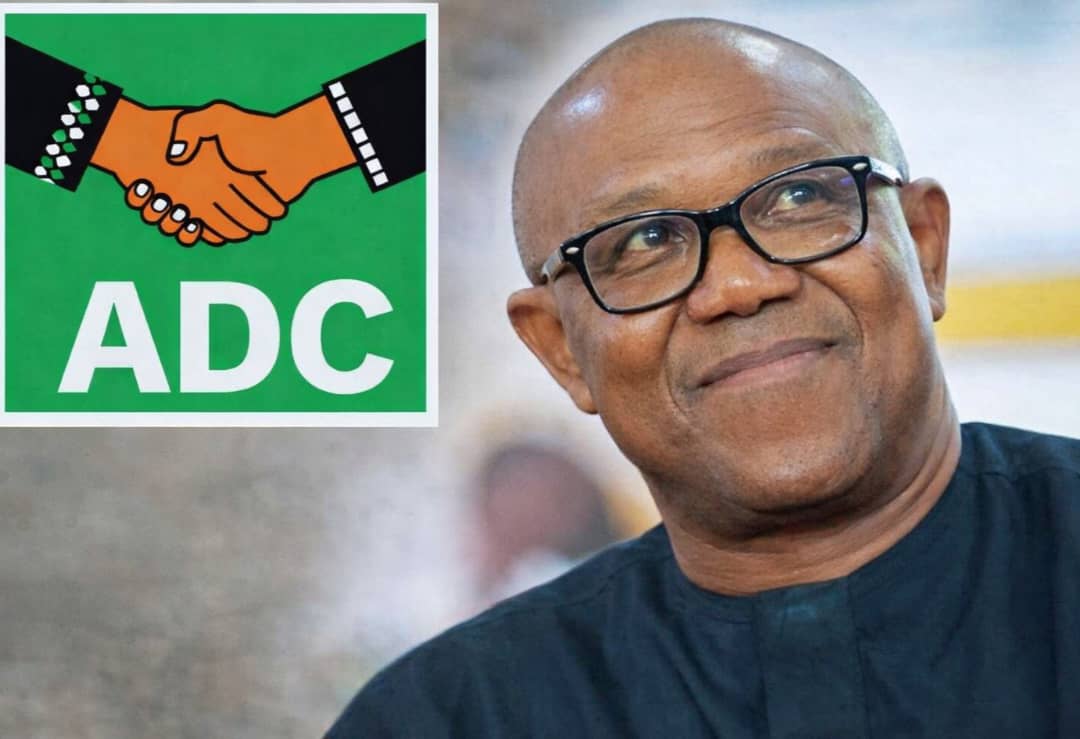
Former presidential candidate and ADC leader, Mr. Peter Obi, has strongly criticised Nigeria’s persistent electricity grid collapses, describing the recurring failures as a national embarrassment and clear evidence of deep rooted leadership deficiencies in the country’s power sector.
In a statement titled “2026: The Collapse Continues,” Obi lamented that barely weeks into the new year, Nigeria has already recorded another collapse of the national electricity grid, continuing a troubling pattern that has defined the country’s energy sector in recent years. He recalled that January 2025 opened with the first grid collapse of that year, which was subsequently followed by several more incidents, plunging homes, businesses and public institutions into darkness.
According to Obi, the recurrence of grid collapses at the start of 2026 represents not just a technical failure but a national shame that reflects years of mismanagement, poor planning and lack of accountability in one of the most critical sectors of the economy.
Related posts:
- Electricity Consumers Laud Aba Power for Exceeding 2025 Meter Rollout Target, as It Provided More Meters than the Other DisCos Combined
- Trump Arrives in Davos Amid Greenland Dispute, Deepening Rift With European Allies
- Education Advocate Urges Federal Government to Adopt ‘Hello Phonics’ Model to Tackle Nigeria’s Literacy Crisis
- French Prime Minister resigns after less than a month in office, deepening political turmoil
“It is utterly disappointing that for three consecutive years from 2023 to 2025, Nigeria has been ranked as the country with the least access to electricity in the world,” Obi stated, noting that nearly 100 million Nigerians currently live without any form of reliable power supply.
He stressed that electricity is not a luxury but a fundamental enabler of economic growth, social development and human dignity. The continued failure to provide stable power, he argued, has far reaching consequences for industrial productivity, job creation, healthcare delivery, education and national competitiveness.
Obi drew sharp comparisons between Nigeria and other African countries, highlighting what he described as a glaring and unacceptable disparity. He noted that South Africa, with a population of about 64 million people, generates and distributes over 40,000 megawatts of electricity. Egypt, with an estimated population of 115 million, also produces over 40,000 megawatts, while Algeria, with roughly 48 million people, generates and distributes more than 50,000 megawatts.
In contrast, Obi said Nigeria, Africa’s most populous country with over 240 million citizens, struggles to produce about 5,000 megawatts, a figure he described as absurdly low and grossly inadequate for a nation of its size and economic aspirations.
“This reality severely hampers our productivity,” he said, adding that Nigeria’s poor power supply has forced businesses to rely heavily on expensive and environmentally harmful alternatives such as diesel generators, thereby increasing the cost of goods and services and weakening the economy.
Obi attributed the persistent power crisis to what he described as continuous leadership failure, stressing that the electricity sector requires not only technical expertise but also disciplined, visionary and committed leadership to function effectively.
“The power sector is critical and requires competent and committed leadership to thrive,” he said, warning that without a deliberate and sustained effort to reform the sector, Nigeria will continue to lag behind its peers and waste its enormous human and natural resources.
He argued that successive governments have failed to treat electricity as a national emergency, despite its central role in development. According to him, policy inconsistency, weak institutional capacity, corruption and lack of accountability have combined to cripple the sector and undermine public confidence.
Obi also expressed concern that the continued grid collapses undermine investor confidence and discourage both local and foreign investment. He said no serious economy can grow when power supply remains unstable and unpredictable, noting that manufacturing, technology, agriculture processing and services all depend heavily on reliable electricity.
Looking ahead to the 2027 general elections, Obi urged Nigerians to rethink their leadership choices and prioritise competence, integrity and empathy over sentiment, ethnicity or political patronage. He maintained that the country’s persistent challenges, including the electricity crisis, are not insurmountable but require the right leadership approach.
“As we look towards 2027, Nigeria must prioritise competence and empathy in its leadership,” he said. “It is time to elect individuals with the capacity and dedication necessary to initiate a significant turnaround for our nation. Anything less is unacceptable.”
He emphasised that leadership must be anchored on evidence based planning, transparency and accountability, particularly in critical sectors such as power, education, health and security. According to Obi, Nigeria has the resources, talent and potential to achieve energy sufficiency if the sector is managed with seriousness and purpose.
The former Anambra State governor reiterated his long held belief that a new Nigeria is achievable, insisting that progress will only come when governance is centred on the welfare of the people and the efficient management of public resources.
“A new Nigeria is possible,” he concluded.
Obi’s comments have reignited public debate over the state of Nigeria’s electricity sector, which has been plagued by decades of underinvestment, ageing infrastructure and policy failures. The repeated collapses of the national grid have continued to draw criticism from citizens, civil society groups and industry stakeholders, many of whom argue that power sector reform must be treated as an urgent national priority.
As Nigerians grapple with the economic and social consequences of unreliable electricity, Obi’s intervention underscores a growing demand for accountability and a renewed focus on leadership quality as the country prepares for another election cycle.