
The Federal University of Agriculture, Abeokuta (FUNAAB) has taken a major step in strengthening its reputation as a leading agricultural and life sciences institution in Africa with the completion of a state-of-the-art elephant enclosure at its Zoo Park, ahead of the arrival of what is expected to become its most iconic animal resident.
The development marks a new phase in the revitalisation of the FUNAAB Zoo Park, positioning it not only as a recreational facility but also as a centre for conservation research, biodiversity management and experiential learning. University authorities say the elephant’s anticipated arrival will symbolise the institution’s expanding vision for wildlife conservation and eco-tourism in Nigeria.
Located within the university’s sprawling campus in Abeokuta, the Zoo Park has long served as a living laboratory for students in veterinary medicine, animal production, forestry, wildlife management and environmental sciences. However, recent upgrades signal a deliberate effort to elevate its standards to align with global best practices in zoological management.
At the centre of this transformation is the newly constructed elephant enclosure, described by university officials as a purpose-built facility designed with modern safety, welfare and environmental sustainability considerations. The enclosure features reinforced perimeter structures, ample roaming space, naturalistic landscaping and dedicated veterinary support areas, ensuring that the incoming elephant will be housed in conditions that prioritise both animal welfare and public safety.
According to the Zoo Park Director, Professor Olufemi Sammy Sam-Wobo, the project reflects FUNAAB’s commitment to translating academic knowledge into tangible, real-world impact. In an interview with FUNAAB Bulletin, he explained that the elephant enclosure is more than a physical structure; it is a statement of intent about the university’s leadership in wildlife conservation and education.
He noted that elephants occupy a special place in Africa’s ecological and cultural heritage, and hosting one at the Zoo Park will significantly enhance opportunities for research, conservation awareness and hands-on training for students. For many undergraduates studying wildlife management and veterinary medicine, direct exposure to large mammals such as elephants is rare. The new addition is expected to bridge that gap, offering practical learning experiences that complement classroom instruction.
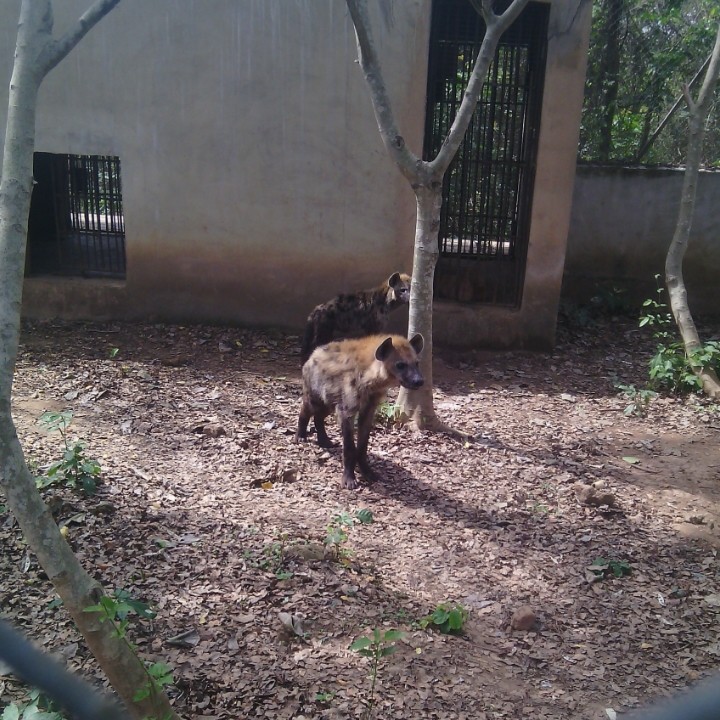
Beyond the elephant project, the Zoo Park has also unveiled three new exotic animal species, further expanding its wildlife inventory. While details of the specific species were not immediately disclosed, university authorities described them as carefully selected additions intended to diversify the Zoo’s conservation portfolio and enrich the educational experience of visitors and students alike.
The expansion underscores FUNAAB’s strategic focus on biodiversity conservation at a time when habitat loss, climate change and illegal wildlife trade continue to threaten species across the continent. By broadening its collection, the Zoo Park aims to contribute to ex-situ conservation efforts—where species are protected outside their natural habitats—while also promoting public awareness about the importance of ecological balance.
Professor Sam-Wobo emphasised that the acquisition process for new animals followed rigorous regulatory and ethical guidelines, including veterinary screening, habitat preparation and compliance with national wildlife regulations. He added that staff training has been intensified to ensure that animal handlers and veterinary personnel are equipped to manage the needs of the new species effectively.
The revitalisation drive also reflects a broader institutional ambition to position FUNAAB as a hub for eco-tourism in Ogun State and beyond. University officials believe that the presence of an elephant—often regarded as a flagship species—will significantly increase visitor numbers, boost community engagement and create opportunities for partnerships with conservation organisations.
For the university community, the Zoo Park represents a convergence point where conservation, research and public education intersect. School groups, researchers and tourists regularly visit the facility, making it an important platform for environmental advocacy. The addition of high-profile species is expected to enhance its appeal and educational value.
Students, particularly those in agriculture and environmental disciplines, stand to benefit directly from the expansion. Practical exposure to diverse animal species enables them to develop competencies in animal care, behavioural observation, habitat design and wildlife health management. Such experiential learning is increasingly seen as critical in preparing graduates for careers in conservation, veterinary services and environmental policy.
University management has also reiterated its commitment to maintaining international standards in animal welfare. The elephant enclosure, for instance, was reportedly designed with enrichment features to encourage natural behaviours, including mud wallows, shaded areas and adequate water supply. These measures are intended to ensure that the animal thrives in its new environment.
Observers note that the move comes at a time when many zoological parks in Nigeria face funding and infrastructural challenges. FUNAAB’s investment in upgrading its Zoo Park therefore represents a proactive approach to sustainability and institutional development.
In addition to conservation and research benefits, the revitalised Zoo Park is expected to strengthen the university’s community relations. By providing a safe and educational recreational space, FUNAAB aims to foster greater environmental consciousness among residents of Abeokuta and neighbouring communities.
Professor Sam-Wobo described the forthcoming arrival of the elephant as a milestone moment for the university. He expressed confidence that the facility is fully prepared to host the animal and that all necessary logistical and veterinary arrangements are in place.
He further highlighted that the expansion aligns with FUNAAB’s broader mandate as a specialised university of agriculture—one that integrates teaching, research and community service. By investing in wildlife management infrastructure, the institution reinforces its role in addressing real-world environmental challenges.
As anticipation builds for the elephant’s arrival, university authorities say the development signals a new chapter for the FUNAAB Zoo Park. What began as a modest campus facility has evolved into a dynamic centre for conservation education and eco-tourism.
With the unveiling of new exotic species and the completion of a landmark enclosure, FUNAAB is positioning its Zoo Park as a model for how academic institutions can combine scientific expertise, conservation responsibility and public engagement. The elephant, when it arrives, will not only become the Zoo’s most iconic resident but also stand as a powerful emblem of the university’s expanding vision and enduring commitment to biodiversity stewardship.