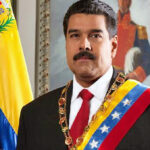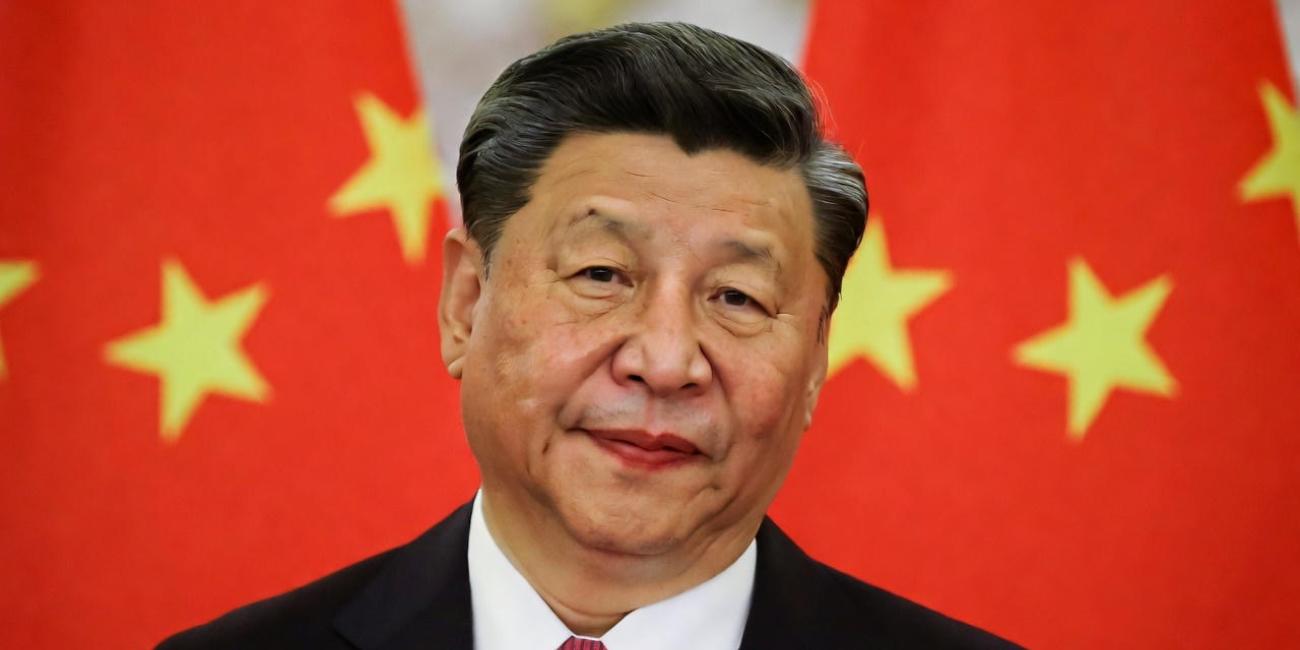
China has issued a strong and unequivocal condemnation of the United States following reports of a large scale U.S. military operation against Venezuela and the alleged capture of President Nicolás Maduro and his wife. Beijing described the action as a grave violation of international law and warned that it poses a serious threat to peace and stability across Latin America and the Caribbean.
In an official statement released on Saturday, the Chinese government accused Washington of resorting to force against a sovereign state, stressing that such conduct undermines the principles of the United Nations Charter and sets a dangerous precedent in international relations. China said it firmly opposes what it termed hegemonic behavior and called on the United States to immediately cease actions that infringe on the sovereignty and security of other nations.
“Such hegemonic acts of the United States seriously violate international law and Venezuela’s sovereignty, and threaten peace and security in Latin America and the Caribbean region. China firmly opposes it,” the statement said.
Related posts:
- President Trump orders Pentagon to prepare for possible military action in Nigeria over Christian genocide
- NLC Leads Nationwide Protests Over Rising Insecurity, Demands Urgent Government Action
- FOSAD condemns exclusion of South-East & South-South in President Tinubu’s US–Nigeria Security Working Group, demands immediate reconstitution
- Trump Says Venezuela’s President Maduro Captured After U.S. Strikes
Beijing urged Washington to respect the purposes and principles of the United Nations Charter, emphasizing non interference, peaceful resolution of disputes, and respect for national sovereignty as cornerstones of the international system. Chinese authorities warned that unilateral military actions risk destabilizing an already fragile region and could have far reaching consequences beyond Venezuela’s borders.
The Chinese reaction followed extraordinary claims by former U.S. President Donald Trump that American forces had carried out a major military strike against Venezuela and captured President Maduro and his wife. In a post on his Truth Social platform, Trump asserted that the Venezuelan leader had been apprehended during what he described as a coordinated U.S. operation involving American law enforcement agencies.
“The United States of America has successfully carried out a large scale strike against Venezuela and its leader, President Nicolás Maduro, who has been, along with his wife, captured and flown out of the country,” Trump wrote, without providing evidence or operational details.
Trump added that more information would be released at a press conference scheduled for 11 a.m. at his Mar a Lago residence in Florida. He did not clarify under what legal authority the operation was conducted or where Maduro and his wife were being held, although subsequent reports suggested they had been flown to New York and were being detained in a Manhattan facility.
As of the time of filing this report, there has been no official confirmation from the Venezuelan government regarding Maduro’s capture or removal from the country. Venezuelan authorities have also not independently verified Trump’s claims, deepening uncertainty and speculation surrounding the rapidly unfolding situation.
Reports from Venezuela, however, point to significant military activity in the early hours of Saturday. Residents of Caracas and other parts of the country reported hearing multiple explosions, while videos circulating on social media showed thick plumes of smoke rising near strategic locations in the capital. The developments have heightened fears that Venezuela may be entering a new and dangerous phase of confrontation with the United States.
According to Al Jazeera, several powerful blasts echoed through parts of Caracas, with footage showing fireballs and dense smoke billowing from a structure near a body of water. The network cited its correspondent, Lucia Newman, who said the explosions appeared to have occurred close to Fortuna, one of the most important and heavily guarded military bases in the Venezuelan capital.
“Fortuna is a key military base there. A series of explosions were reportedly heard throughout the area followed by a blackout,” Newman reported, adding that the precise cause of the explosions remained unclear.
She noted that while there was growing suspicion that the United States could be linked to the incident, other possibilities had not been ruled out. These include internal sabotage or divisions within the Venezuelan military, where factions opposed to President Maduro may be attempting to force him out of power amid intensifying external pressure.
The Associated Press also reported that at least seven explosions were heard across Caracas, accompanied by the sound of low flying aircraft. Witnesses described scenes of confusion and fear as the blasts reverberated through the city, fueling speculation of a coordinated military operation.
The explosions and Trump’s announcement come against the backdrop of long standing tensions between Washington and Caracas. The United States has for years accused the Maduro administration of undermining democracy, committing human rights abuses, and running what it describes as a narco state deeply involved in international cocaine trafficking. Venezuela has consistently rejected these accusations, arguing that Washington is pursuing regime change to gain control over the country’s vast oil reserves.
China, which has significant economic and strategic interests in Venezuela, has repeatedly defended the principle of non interference in the country’s internal affairs. Beijing has invested billions of dollars in Venezuelan energy and infrastructure projects and has maintained close diplomatic ties with Caracas despite U.S. sanctions and international isolation of the Maduro government.
In its statement, China warned that military intervention would only worsen Venezuela’s humanitarian and economic crises and deepen divisions within the country. Chinese officials stressed that dialogue and political negotiation, not force, remain the only viable path to resolving Venezuela’s internal challenges.
Regional analysts say China’s condemnation reflects broader concerns among major global powers about the implications of direct U.S. military action in Latin America. While several governments in the region have been critical of Maduro’s leadership and disputed elections, many are deeply wary of foreign military intervention due to the region’s history of coups and external interference.
The situation has also reignited debate within international institutions over accountability and the limits of unilateral action. Diplomats at the United Nations are expected to call for emergency consultations as questions mount over the legality of the reported U.S. operation and its potential impact on regional and global security.
As events continue to unfold, the alleged capture of Venezuela’s president and China’s sharp rebuke of Washington underscore the gravity of the crisis. With conflicting reports, unanswered questions, and rising geopolitical tensions, the coming days are likely to prove decisive not only for Venezuela’s political future but also for the balance of power and norms governing international conduct in the Western Hemisphere.