The council said the amount spent on servicing debt interest between January and June 2026 exceeded the Federal Government’s total revenue of N6.2 trillion within the same period, raising concerns about the country’s fiscal sustainability and the administration’s spending priorities.
The NDC made its position known in a statement issued on Monday by its spokesperson, Chiogo Ikokwu, who said the figures were contained in the World Bank’s 2026 Nigeria Development Update.
According to the council, the report showed that the Federal Government spent N7.7 trillion on debt interest payments in the first six months of 2026, compared with revenue of N6.2 trillion.
Ikokwu said the figures indicated that debt interest obligations had consumed more than the revenue generated by the government during the period.
“According to the report, Nigeria spent an astronomical N7.7 trillion on debt interest payments alone in the first half of 2026, while total federal revenue stood at just N6.2 trillion.
“This means that a staggering 124.19 per cent of every single naira earned by the Federal Government in the first six months of this year was swallowed by debt servicing!” she stated.
The NDC described the development as evidence of what it considered a dangerous fiscal imbalance under President Bola Tinubu’s administration.
The council argued that a situation in which debt interest payments exceed total government revenue leaves limited resources for capital projects, public services and other critical national priorities.
It accused the administration of placing excessive emphasis on borrowing and debt servicing at the expense of investments capable of stimulating economic growth, creating employment and improving the living conditions of Nigerians.
Ikokwu questioned the rationale behind the government’s borrowing strategy, arguing that funds that should support infrastructure development, healthcare delivery and education were increasingly being committed to servicing existing debt obligations.
She said the government should prioritise investments in roads, hospitals, schools, electricity and other productive sectors rather than continue accumulating financial obligations that place additional pressure on public revenue.
Debt interest rises as capital expenditure declines
The NDC spokesperson also drew attention to the reported increase in debt interest payments between the first half of 2025 and the corresponding period in 2026.
According to the figures cited by the council, debt interest payments rose from N5.6 trillion in the first half of 2025 to N7.7 trillion in the first half of 2026.
The council contrasted this increase with the reported decline in capital expenditure, which stood at N0.7 trillion during the first six months of 2026.
It argued that the difference between spending on debt interest and investment in infrastructure reflected what it described as a troubling imbalance in the government’s fiscal priorities.
“Spending eleven times more on debt interest than on critical infrastructure is not economic management; it is fiscal suicide,” Ikokwu said.
The opposition party maintained that the country’s economic recovery would remain difficult if government spending continued to favour debt obligations over productive investments.
It warned that inadequate capital expenditure could undermine efforts to improve transportation networks, expand access to electricity, strengthen healthcare facilities and provide quality education.
According to the council, infrastructure investment is essential to improving productivity, attracting private investment and creating the conditions for sustainable economic growth.
NDC questions revenue growth claims
The NDC also challenged the government’s presentation of increased revenue as evidence of improved fiscal performance.
It noted that federal revenue reportedly increased from N3.6 trillion in the first half of 2025 to N6.2 trillion in the corresponding period of 2026.
However, the council argued that the increase had not translated into meaningful improvements in the living conditions of ordinary Nigerians.
It said citizens continued to contend with rising living costs, high transportation expenses, expensive food prices and other economic pressures, despite the reported growth in government revenue.
The party insisted that revenue growth should be assessed not only by the amount collected by government but also by how effectively public funds are deployed to improve citizens’ welfare.
It therefore called on the Tinubu administration to provide greater transparency in its borrowing, debt management and expenditure decisions.
Calls for debt audit and fiscal reforms
As part of its recommendations, the NDC urged the Federal Government to reconsider what it described as excessive domestic borrowing and undertake a comprehensive review of the country’s debt profile.
The council called for a comprehensive debt audit and restructuring process to determine the sustainability of existing obligations and identify opportunities to reduce the burden of debt servicing on public finances.
It also demanded a shift towards increased investment in infrastructure, healthcare, education and human development.
According to the party, Nigeria requires a fiscal strategy that prioritises productive sectors, strengthens public institutions and creates opportunities for businesses and citizens to contribute to national development.
The NDC argued that borrowing should support projects capable of generating economic returns, expanding productive capacity and improving the government’s long-term revenue base.
It further maintained that fiscal discipline, transparency and accountability must become central to the management of public resources.
Obi-Kwankwaso ticket promises alternative
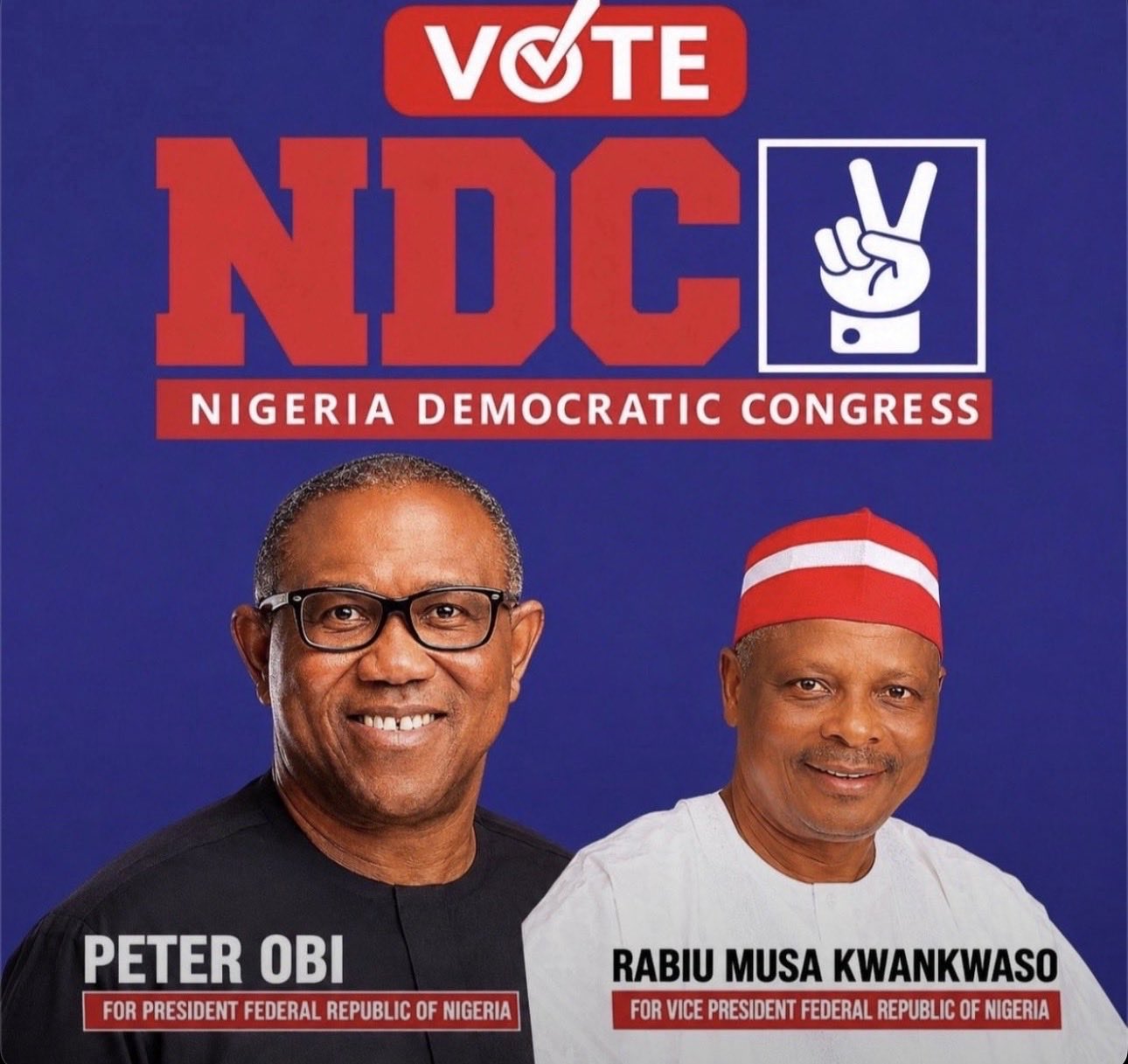
Looking ahead to the 2027 general elections, Ikokwu expressed confidence that the proposed joint presidential ticket of Peter Obi and Rabiu Musa Kwankwaso under the NDC would provide an alternative approach to economic management.
She said the proposed administration would prioritise productivity, fiscal discipline, responsible borrowing and sustainable economic growth.
The party maintained that Nigeria needed leadership capable of balancing debt obligations with investments in critical sectors while ensuring that increased government revenue translated into tangible benefits for citizens.
The NDC’s criticism adds to the growing political debate over the Tinubu administration’s borrowing strategy, debt servicing obligations and management of public expenditure ahead of the 2027 general elections.
However, the figures and interpretation cited by the opposition council represent its reading of the World Bank report. The Federal Government’s response to the specific allegations was not included in the statement.
The central question raised by the NDC is whether Nigeria can sustain its development ambitions when debt interest payments consume more than the revenue available to the Federal Government.