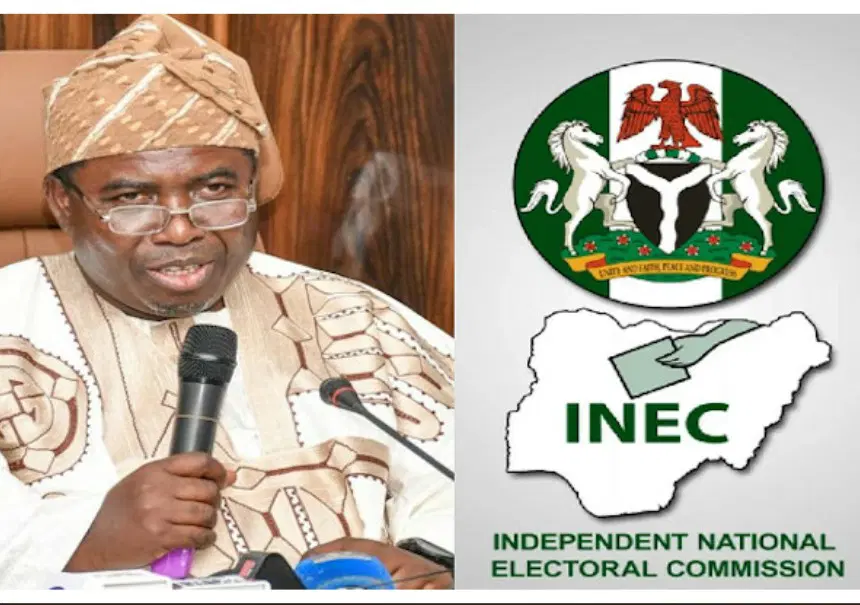
Lagos State has retained its position as the state with the highest number of registered voters in Nigeria ahead of the 2027 general elections, according to figures released by the Independent National Electoral Commission (INEC).
The figures were disclosed by the INEC Chairman, Professor Joash Amupitan, on Tuesday, October 6, during a World Press Conference in Abuja as part of the commission’s preparations for the 2027 electoral cycle.
According to the data presented by the electoral commission, Lagos State has a total of 7,488,633 registered voters, placing it ahead of all other states in the country.
Kano State follows in second position with 6,000,570 registered voters, while Kaduna State ranks third with 4,000,640 voters.
Katsina State occupies the fourth position with 3,876,051 registered voters, reflecting the significant size of its voting population ahead of the forthcoming elections.
Oyo State ranks fifth on the national list with 3,588,111 registered voters, followed by Delta State, which has 3,525,988 registered voters.
Benue State occupies the seventh position with 3,057,225 registered voters, while Ogun State ranks eighth with 3,037,981 voters.
Rivers State comes ninth with 3,000,734 registered voters, while Bauchi State completes the top 10 with 3,000,047 registered voters.
The figures highlight the wide variation in voter distribution across Nigeria’s 36 states and the Federal Capital Territory, with Lagos and Kano standing out as the two states with more than six million registered voters.
The large voter population in Lagos is particularly significant because of the state’s population size and its importance in national politics. Kano, with the second-highest number of registered voters, also remains a major electoral centre in the country.
The disclosure comes as INEC intensifies preparations for the 2027 general elections, including activities relating to voter registration, the collection of Permanent Voter Cards, electoral logistics and stakeholder engagement.
The commission has repeatedly emphasised the importance of ensuring that eligible citizens are able to participate in the electoral process while strengthening measures aimed at protecting the integrity of the voter register.
The latest figures will also be closely watched by political parties and candidates as they intensify preparations for the 2027 elections.
With Lagos accounting for nearly 7.5 million registered voters, political parties are expected to pay particular attention to the state during their campaigns and voter mobilisation efforts.
Similarly, Kano’s six-million-plus voter population makes it another strategically important state in the electoral calculations of political parties seeking nationwide support.
The figures released by INEC provide an indication of the geographical distribution of registered voters as the country moves closer to the 2027 elections.
INEC is expected to continue updating and managing the voter register in line with its statutory responsibilities, while providing further information on electoral preparations as the election dates approach.
The 2027 presidential and National Assembly elections are scheduled for February 20, 2027, while governorship and State Houses of Assembly elections are expected to take place on March 6, 2027.
The latest voter figures are therefore likely to become an important reference point for political parties, candidates, election observers and other stakeholders as preparations for the elections gather momentum.