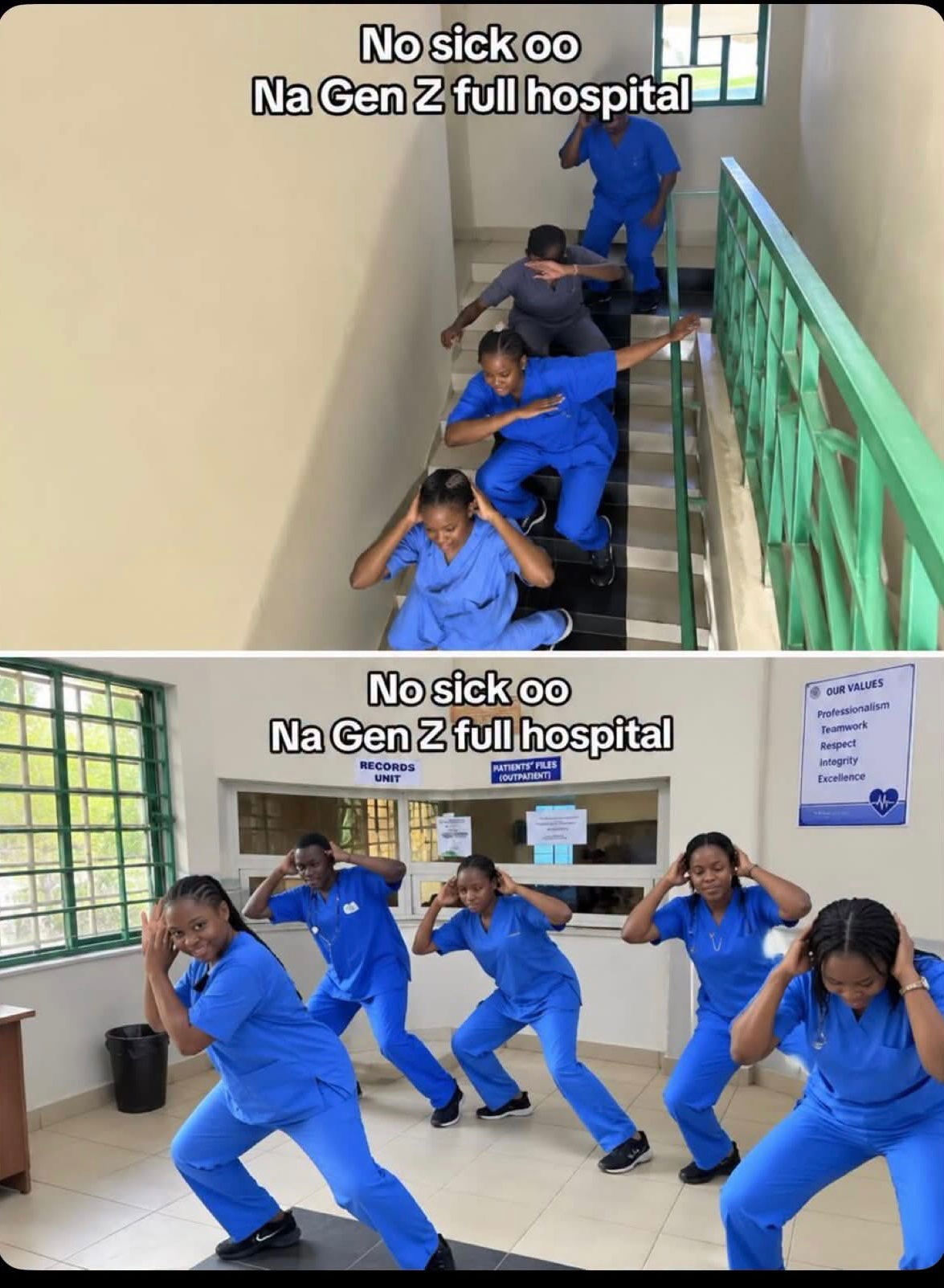
Madonna University has expelled some nursing students following the circulation of a viral video allegedly recorded inside a hospital, prompting the National Association of Nigerian Students (NANS) to appeal to the institution to reconsider the disciplinary action.
The students reportedly became the subject of disciplinary proceedings after the video surfaced online and attracted public attention. Although details surrounding the circumstances of the recording remain limited, the incident has raised concerns about students’ conduct in clinical environments and the responsibilities attached to professional healthcare training.
Reacting to the development, NANS acknowledged that the students’ conduct was inappropriate and deserved disciplinary attention. However, the students’ body appealed to the management of Madonna University to temper the punishment and give the affected students an opportunity to correct their behaviour.
NANS urged the university to replace the expulsion with a stern warning or another corrective disciplinary measure that would allow the students to continue their education.
The association argued that while discipline was necessary, the ultimate objective of disciplinary action should be correction and rehabilitation, particularly where students had the opportunity to learn from their mistakes.
NANS appealed to the university authorities to consider the long-term consequences of expulsion on the students’ academic careers and professional aspirations.
The students, who are undergoing training in nursing, face potentially serious consequences from the decision because expulsion could interrupt their education and delay their entry into the healthcare profession.
NANS said it recognised the importance of maintaining discipline within universities, especially in programmes such as nursing where students are expected to observe strict ethical and professional standards.
Healthcare students receive practical training in hospitals and other clinical facilities, where confidentiality, respect for patients and professional conduct are considered fundamental requirements. Any unauthorised recording or publication of activities within such environments can therefore raise serious ethical concerns.
The association, however, appealed for a balanced approach that would combine accountability with an opportunity for rehabilitation.
According to NANS, a stern warning would communicate the seriousness of the misconduct while giving the students an opportunity to demonstrate that they had learnt from the incident.
The appeal comes amid broader concerns over the impact of social media on students and professional conduct. The widespread use of smartphones and social media platforms has made it increasingly easy for individuals to record and share videos, sometimes without fully considering the consequences of their actions.
Universities have consequently continued to emphasise responsible use of social media, particularly in professional settings where privacy, confidentiality and institutional regulations must be respected.
The Madonna University incident has also highlighted the need for students to understand the ethical obligations attached to their chosen professions before entering the workforce.
NANS said it respected the authority of university management to enforce its rules but urged the institution to consider leniency in the interest of the students’ future.
The association appealed to Madonna University to review the expulsion and consider allowing the affected students to return under strict conditions, including a formal warning and possible additional guidance on professional ethics and responsible use of social media.
As the appeal awaits consideration, the incident serves as a reminder to students that actions taken for entertainment or social-media engagement can have serious academic and professional consequences.
For the affected nursing students, a favourable review by the university would provide an opportunity to learn from the incident, rebuild trust and continue their education while adhering strictly to the ethical standards expected of future healthcare professionals.